Good Grief

IMG_2471
I STILL look for her everywhere. And in the most incongruent of places. When I’m travelling overseas, but mostly in the local shopping centre, where she’d most likely be. Except she isn’t. One year ago I lost my counsellor, confidante and dear friend, Sue Cameron. She died unexpectedly, at the age of 76, passing away quietly from pneumonia. It was a month before I discovered she had died. And on that grey, old Saturday I howled. Fat, serious tears rolling down my face, my body shacking with the grief and injustice of it all. And then I wrote and I wrote, vowing not to let her death undo me. She’d be so cranky at that. And so I haven’t.

Samoa 444
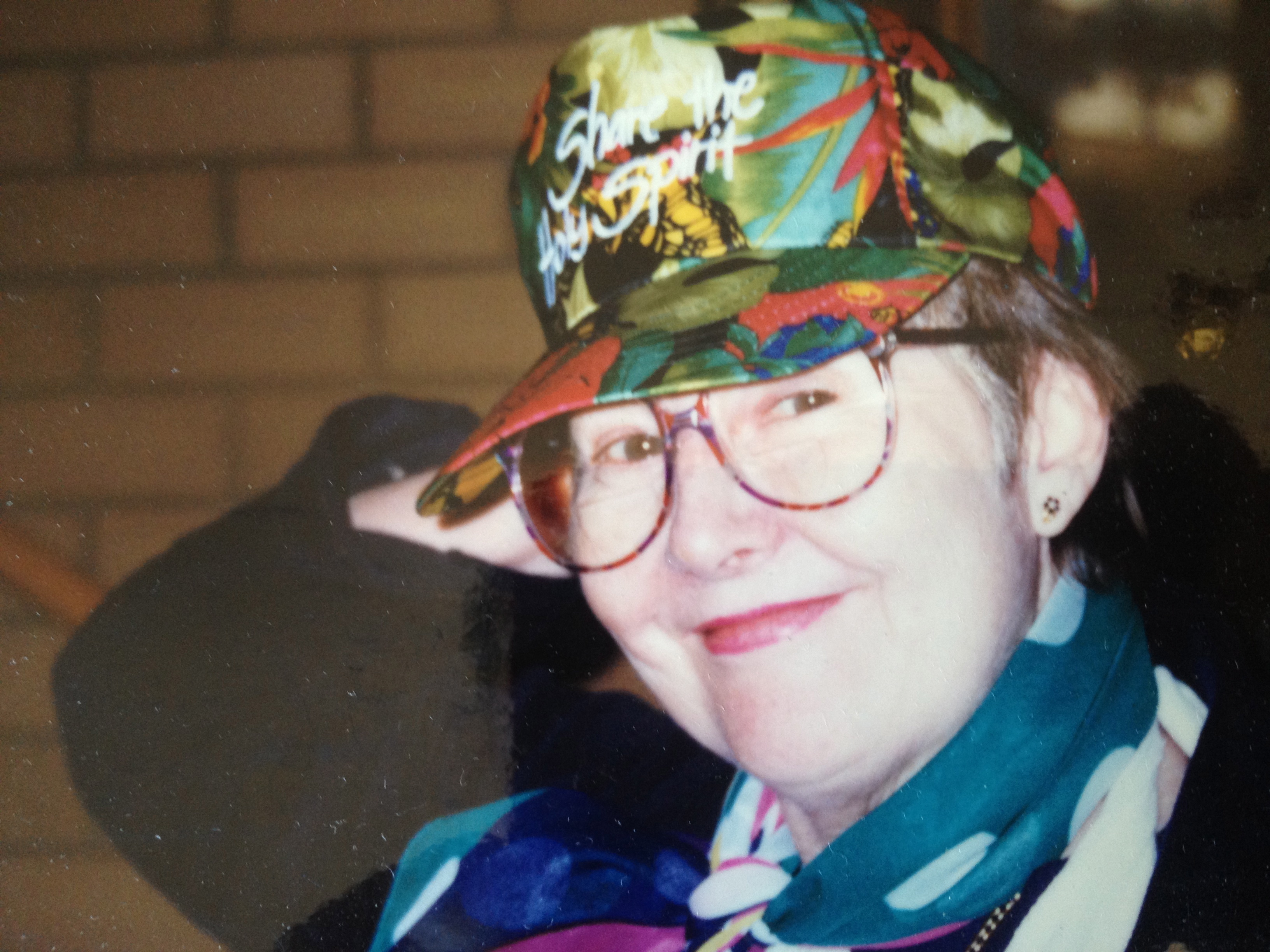
I think of her often. On the good days and the bad. On rare grim days I repeat the mantra she told me so often: “Turn it on it’s head, darl.” And I glance at a photo of her I keep above my keyboard in which she wears the same Mona Lisa smile she used to give me when I sought her advice on life’s big issues. It’s a no-nonsense kind of look, with an unwritten caption which I imagine reads: “You know it’s all going to work out, don’t you?” The photo arrived by surprise in the mail, sent to me by her partner Keith, 84. He sent it with a note which read: “Sue gave me the photo and I know she liked you a lot, so here is the original. May God bless you and thank you for your regard for my wonderful Suzie”. I view him from a distance from time-to-time in the local shopping centre. He looks so much older now. His tall frame a bit more hunched. No more handsome hat tilt when he passes by. But he’s surviving. Like the rest of us.
IMG_3149
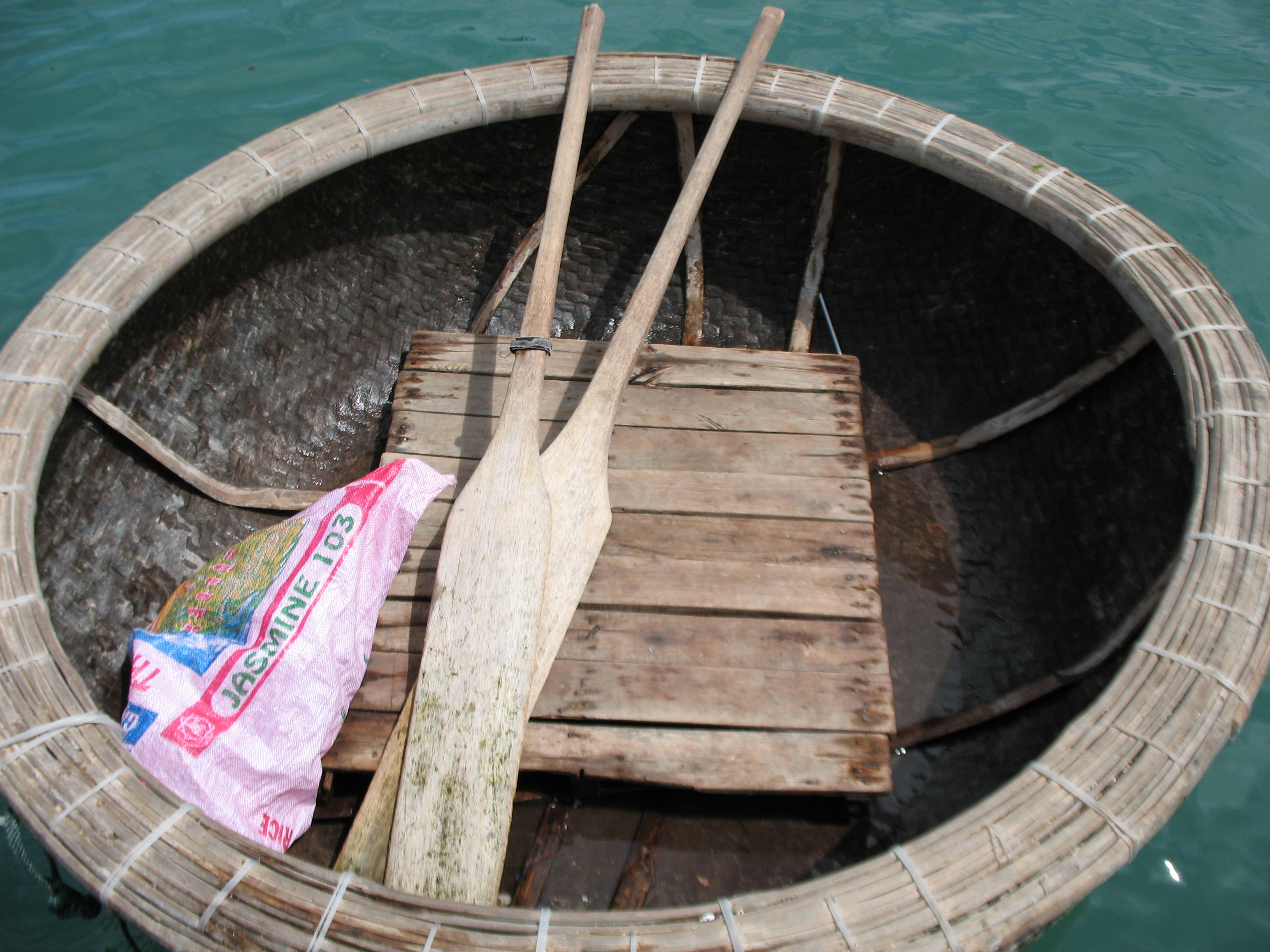
Journalist and author Susan Wyndham has just published a book My Mother, My Father: On Losing a Parent. Wyndham, whose mother died two years ago, has cobbled together an anthology of stories by 14 Australian authors who examine the concept of surviving the deaths of our parents. Some of the nation’s best penmen and women have contributed to this tome, including Thomas Keneally, Helen Garner and David Marr. In her review of the book in the Weekend Australian newspaper, Rosemary Neill refers to our parents as “those who have known us the longest”. I have never lost a parent, but have many friends who have. For me, the passing of Sue Cameron was the closest to this kind of grief I have endured. While not knowing me the longest – although we had been together through 12 turbulent and terrific years of counselling – she was the person who knew me best. And so it was a lonely landscape I faced the day she died. Like losing your anchor in the middle of the ocean and searching desperately for a paddle to get you back to shore.
VietnamCambodia2012 073
Apart from the grief which never really leaves – you learn to grow around it – I’ve been fascinated at how my rational mind can know someone has died, but my emotional mind still looks for her. In Saturday’s Courier-Mail there’s a story about a new coffee shop concept called The Death Café where people gather to talk about the concept of death. This pop up concept is not about grief counselling, but more so that people can freely discuss one of life’s most taboo subjects. Attendees can be anyone from those simply curious about what happens after life, to those who have experienced death in their circle or who are facing a terminal illness. It’s run by grief educator Beth O’Brien and funeral director Neil Davis. “Death Café is…an unusual event trying to change how uncomfortable society is about death and replacing it with relaxes discussion and cake,” O’Brien says.
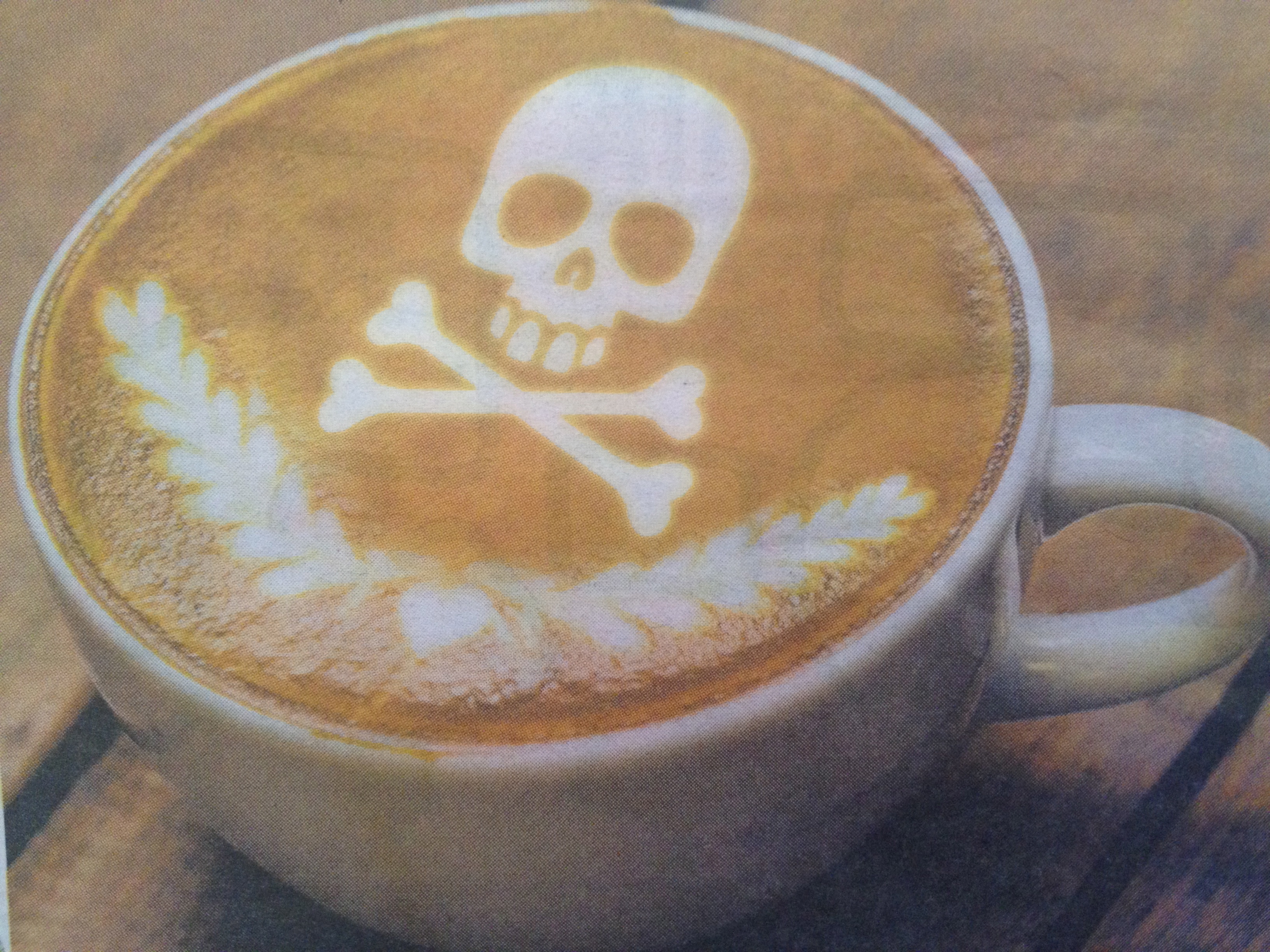
Photo courtesy of the Courier-Mail

Photo courtesy of the Courier-Mail


In her review of My Mother, My Father, Neil writes: “For many people, the death of a parent is a reckoning: a catalyst for evaluating a life lived well, or a little outrageously.” These days, I choose to live my life well. Sure, I still have my outrageous moments, chase bad boys, drink champagne with my friends, but I try to temper these with striving to be a better version of me. In the past year I have taken up yoga in the mornings, gone to several health retreats and really participated – bringing home the wisdom learnt and incorporating it into my life. I attend weekly meditation classes, swim or walk in the afternoons. I eat better, drink less. Recently, on my birthday, a friend sent me an email. It read: “I’ve really noticed a change in you over the last couple of months. You seem happier, calmer. It’s a subtle change, but I’m not imaging it. The ‘real’ you is breaking out for all the world to see and love.”
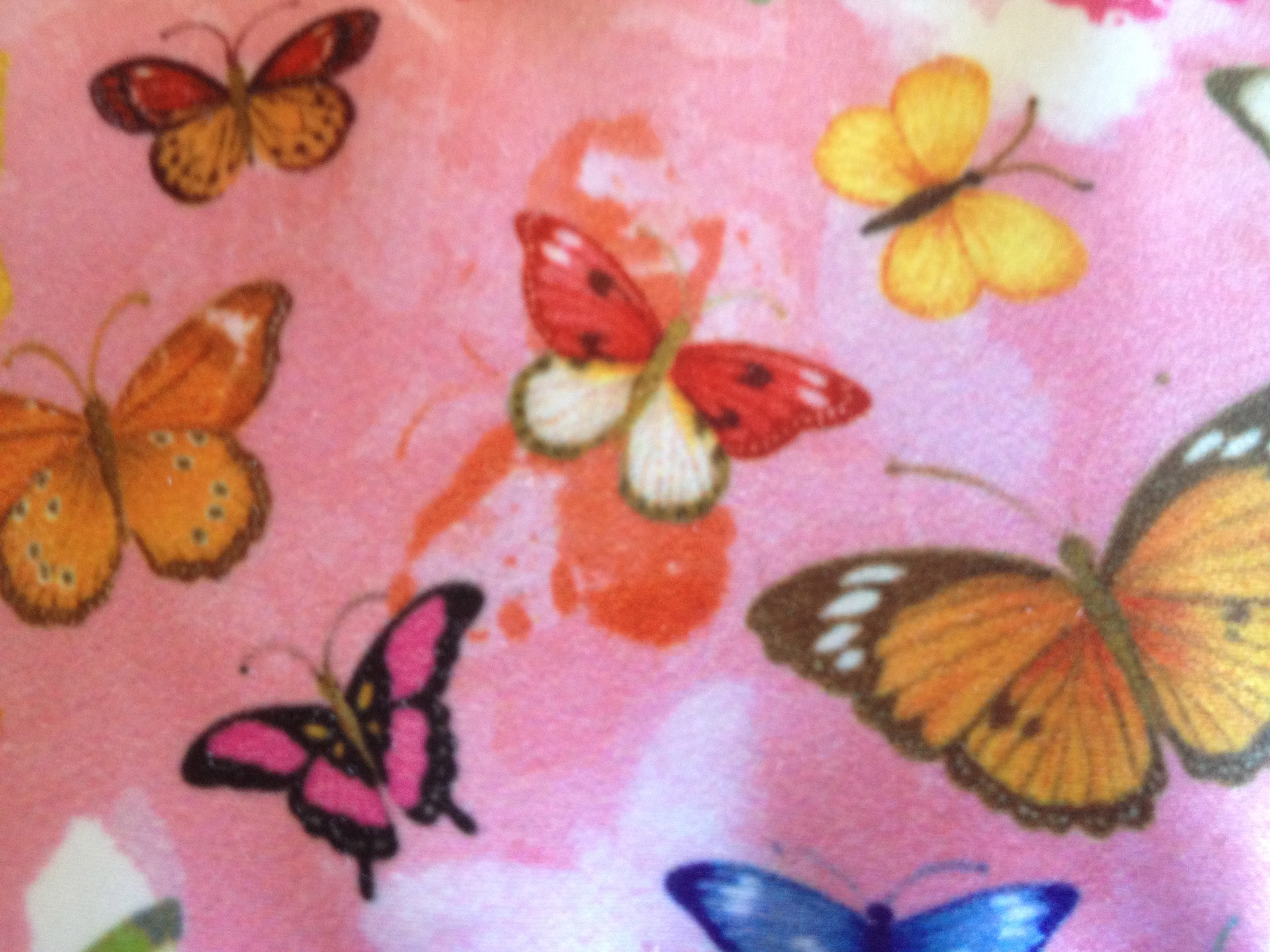
Butterflies designed by artist Chris Chun

Butterflies designed by artist Chris Chun http://www.chrischun.com


Wherever she’s reading this from, I just know Sue Cameron would be chuffed.

To book for the Death Café email: director@australiancelebrations.com.au
IMG_3151

To Sue, with love

IT’S a grey, old Saturday, in every sense of the word when I find out about the death of a dear friend. Worse, she’s been dead a month, and I’ve only just discovered the news. We first met 12 years ago, when, encouraged by my general practitioner and following a lifetime of panic attacks and anxiety, I finally succumbed to the idea of a therapist.

She was 64 back then, full of life, huge of heart, and big on no nonsense. I’m sure if there exists the ideal counsellor/patient relationship, we came pretty close, both of us passionate women not afraid to stand up for our beliefs. We debated, argued, laughed and cried. I’m certain there were plenty of times we crossed the line between patient and therapist, but we always found our way back. That’s what made it real. Plausible. She knew I was a no bullshit kind of girl.

A former nurse, she’d been married three times and had children and grandchildren of which she was extremely proud. She knew about life, love and loss. Some days we simply spoke about politics, travel and the parlous state of the world. Others, we delved deep, and she pushed me until it hurt. We lanced more than our fair share of life’s boils.

When I lost my job, she opened a bottle of champagne. And then rang me at home to make sure that one glass didn’t push me over the limit. She struggled with technology, often asking me questions at the end of a session about sending or saving emails. Showed me photos of her grandkids. Worried about her weight.

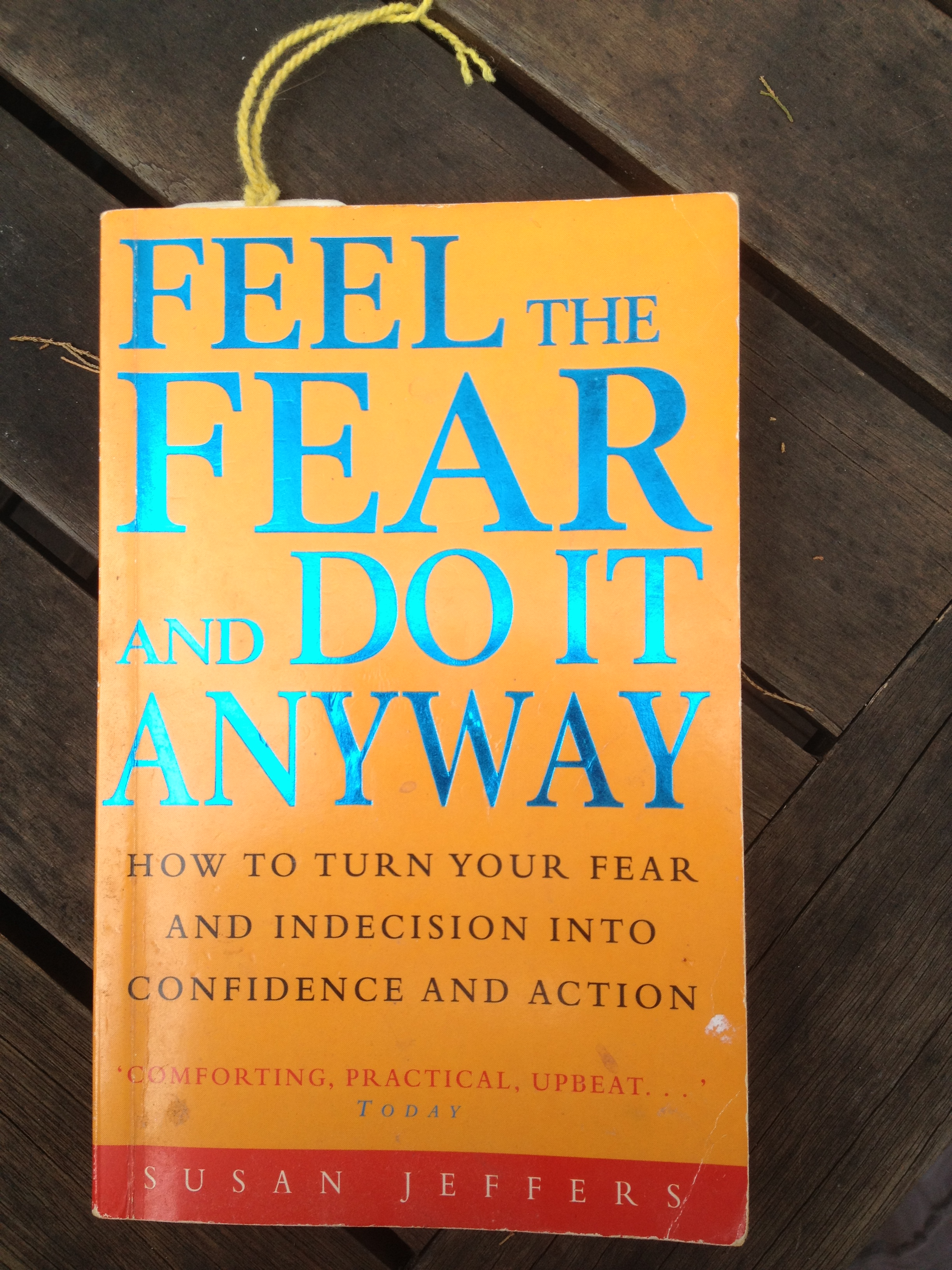
She had a library full of self-help books, my favourite of which has always been Feel The Fear And Do It Anyway. I still have her copy today. I tucked it into my suitcase on the day of my wedding, afraid, again, of my own self. Plagued by self doubt and anxiety.


Our real test came when the love of my life woke up one morning after 22 years and decided he suddenly no longer loved me. She was among the first people I rang. She cried down the line with me, prayed for me during those dark, terrible months, and called me every day to see that I was OK. My friends and I secretly referred to her as The Incredible Shrinking Woman. She was so incredible, I had friends begging me for her number.

She rode the heady years when I fell off the rails, fuelled by grief, bad boys and booze. She tolerated my antics because she knew they were a necessary part of my journey. She held my hand when my anxiety finally succumbed to deep depression. And she smiled knowingly when I eventually emerged from my stupor: “You’re entering the age of the wise woman,” she told me not so long ago.

We swapped small gifts and secrets. Our friendship blooming under the guise of therapy. Increasingly, over the years, I came to view her as a tribal elder. That missing link in our supposedly civilised society. This woman had lived and she was imparting her knowledge on me. It was an amazing gift and privilege.


“I’m always here if you need me darl,” she’d say.

And she was. When I lived overseas for a year, she was only a Skype call or an email away. She’d always return a phone call, so it was with mounting concern this week when she failed to return several of my messages. I’d last seen her on September 1. The first day of Spring. We’d had another enjoyable session which ended in her usual bear hug and words of encouragement. I’d just bought a new car and she rushed out like a proud parent to see it, waving and smiling at me as I drove off.

I was meant to meet her again on October 1, but she cancelled as she had pneumonia, telling me, “I’ll give you a call when the doctor gives me the all clear.” I was only mildly worried. She’d suffered from chest problems for years. And then I went overseas for work.

I returned this week and thought it was far time I’d heard from her. I called her phone number today, but it was disconnected. So I drove to her house and a sign on her door confirmed my worst fears. I rang her partner, Keith, 84, who told me she had died last month, October 5, when pneumonia had turned into an infection which had attacked her body. She was 76 years old.

On this grey Saturday I don’t know where to shove my grief. There’s guilt and bewilderment at her passing which occurred without me knowing. A little dollop of anger. Shouldn’t the universe have sent me a sign? How can we be so connected to someone, only to have them pass quietly from our lives? Selfishly, I want to shake my fist at the world: “But I wasn’t fixed yet!”

Instead, today, I clutch at the only thing I know. I write. She would have liked that. “Turn it on its head, darl,” she’d tell me often. She would have told me to “just sit with your grief”. She’d smile at my frustration at the world being beyond my control. She’d be cranky as all get out if I let her passing consume and unravel me. We’d come too far for that.

And so, Sue Cameron, I bid you a fond farewell. You may be gone, but you will never, ever be forgotten.