“Human trafficking is the second-most prolific organised crime on the planet after the weapons and the drug trade. But unlike drugs, a woman can be sold more than once and often many times in one day,” Sisterhood of Survivors, Kathmandu, Nepal
IN a pastel pink court building, the colour that little girls all over the world like to wear and a deep shade of irony, less than two per cent of Nepal’s human trafficking cases make up the Supreme Court caseload.
In the country’s District Court rooms, it’s less than 0.3 per cent. But there’s a blinding bullseye, one case that stands out from the rest. In March this year, in Nuwakot’s District Court in the country’s centre, one of Nepal’s sex trafficking ring leaders was sentenced to the nation’s harshest jail penalty in history.
Back in Kathmandu, in a basic brick structure adorned with hope, the women who helped put him away, have barely just begun.
There’s a slow rumble erupting around Nepal…not the kind that Mother Everest likes to display when she’s displeased with too many climbers, nor the type that destroyed Kathmandu in the 2015 earthquake.
This is the thunder of Third World feminism.
The Criminals
On March 23, local politician and Chair of the Dupcheswor Rural Municipality, Sun Bahadur Tamang, was sentenced to 37 years in prison for human trafficking. Two other men, Shukman Lama and Tikaram Tamang, were jailed for 32 and 30 years respectively.
And it was thanks to the women of SASANE, survivors of sex trafficking and slave labour, who filed a case under the Prevention and Control of Human Trafficking and Smuggling Act.
Launched 10 years ago with the assistance of a USD25,000 injection from global travel company G Adventures, SASANE rescues women who have been trafficked, and trains them to become paralegals so that they, in turn, can represent other women. Those who don’t have a basic education, are trained in valuable hospitality skills, which they share along with their stories to tourists, under the Sisterhood of Survivors project.
G Adventures Chief Experience Officer Baikuntha Simkhada (BK) says the border between landlocked Nepal and India is 1346 kilometres long, and because of open-border agreements between the two countries, passports are not checked, enabling trafficking.
“Human trafficking is massive in developing countries. In Nepal, when families have more daughters, they sell them to prostitution so the parents can get more money,” he says.
“Parents know certain parts of what happens to their daughters but they don’t know the worst because they hand them over to relatives that they trust.”
The Buyers
The number one market is India, where girls sell for between USD4000-5000. More than 7000 girls a year in Nepal are trafficked and more than 50 a day are trafficked across the Indian border alone. Many of them simply disappear.
“Kathmandu and other major cities of Nepal are the number two market,” BK says.
“The third biggest market is further afield in places like Malaysia and Dubai where girls are sold as ‘house workers’. This the new trick or they are also called Bollywood dancers from Nepal.
“They give lots of false promises. There are lots of illegal prostitution centres here. Sometimes they are rescued by honest customers who report to police.”
BK, who has a 13-year-old daughter, says he has asked “rude questions” of parents who sold their daughters.
“There are a lot of cultural issues around this,” he says.
“The parents didn’t know. They were looking for money. In some societies they don’t talk openly.”
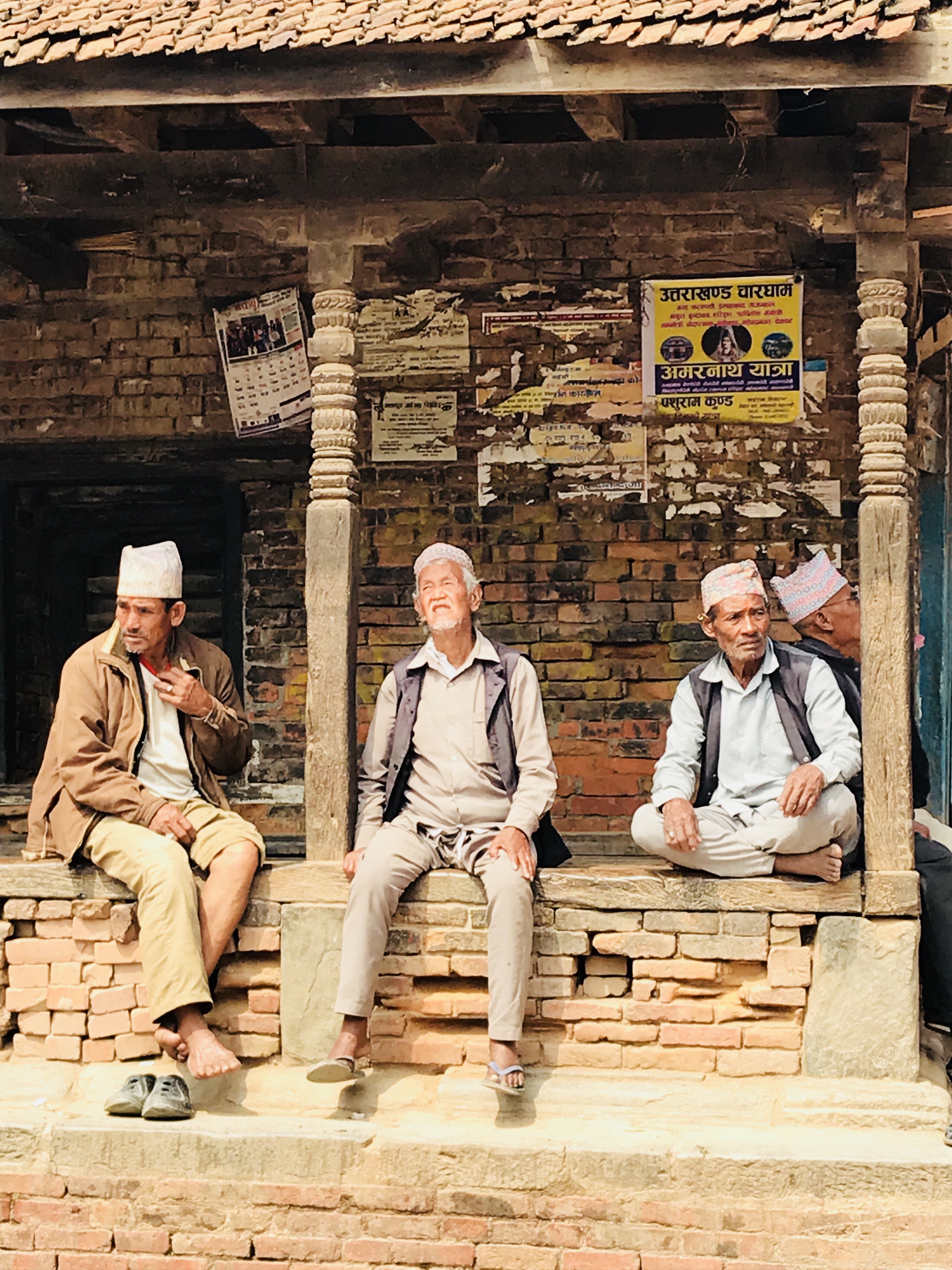
The Statistics
At SASANE, women are fed and cared for, given medical help, and seen by social workers for counselling. Only 10 per cent of survivors file a formal complaint.
Since it was established, 249 women have been trained to become paralegals, offering free-of-charge assistance to other survivors, who they have represented in 400 court cases.
Nepal is considered the epicentre of human trafficking and the issue has only worsened since the 2015 earthquake resulted in more poverty and displacement.
SASANE aims to halt “modern day slavery” with human trafficking estimated to be a USD150 billion a year industry worldwide.
It is the second most prolific organised crime on the planet after the weapons and drug trade. But unlike drugs, a woman can be sold more than once and often many times in one day.
While the average age for a trafficked woman is between 14 and 20, some are as young as 6, with more than 26 per cent of trafficked women classified as children.
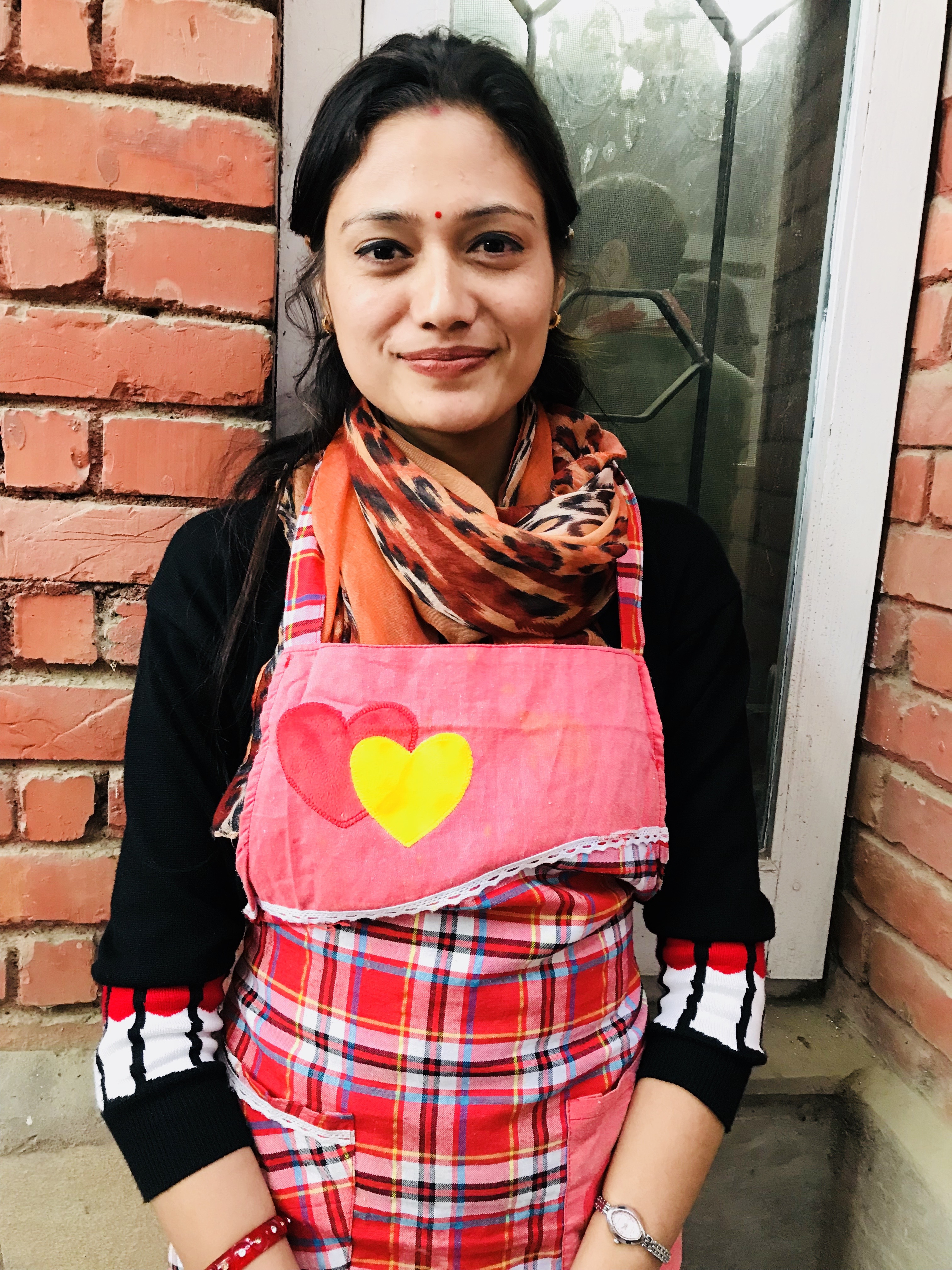
The Survivor
Indira Gurung, one of the SASANE’s three founders, can’t remember her age and reaches for her phone to do the calculation. Nor does she want her photo taken. She’s 33, but she lost her childhood and identity a long time ago, when she was sold from her mountain village and trafficked into slave labour in Kathmandu at the age of 13.
“The agent told my parents they would send me to school and after school I would work at their home. They did not send me to school and I had to work morning to night without pay. I worked that way for five to six years,” she says.
“I had a contact with another house and went to the second home. They sent me to school but did not allow me to study and I had to work but I got a high school diploma and got a job in a restaurant and the Nepalese customers abused all the girls here.
“When customers were coming to the restaurant they wanted to do sexual abuse to us. They wanted to sleep with us and forced us to drink alcohol. The restaurant owner pushed us to go with them. They would come into a small room and close the door and force us to sit on the couch.”
After six months of sexual abuse and when she was 19, Indira contacted an organisation who helped her escape.
“At that time, we had a lot of survivors like me and we talked and learned that one cannot fight but a group can fight,” she says.
“We hired a lawyer and learned from him about our legal rights to fight trafficking and other abuse.
“When I got paralegal training, I wanted to fight the restaurant owner but he was not there anymore. He is still free, that is not good.”
Indira, who continues to face threats from human traffickers, says she did not know slavery and trafficking was illegal in Nepal before she learned her basic human rights.
“People are telling us if we share our story no one will respect us but it’s not our fault,” she says.
“Survivors need marketability skills to stand for themselves. Sometimes I am angry at my parents but that is the situation I Nepal. They are also innocent.
“I underwent counselling and art healing to learn about the power of women. This way I became empowered. I realised women have a lot of power to heal and protect other survivors.”
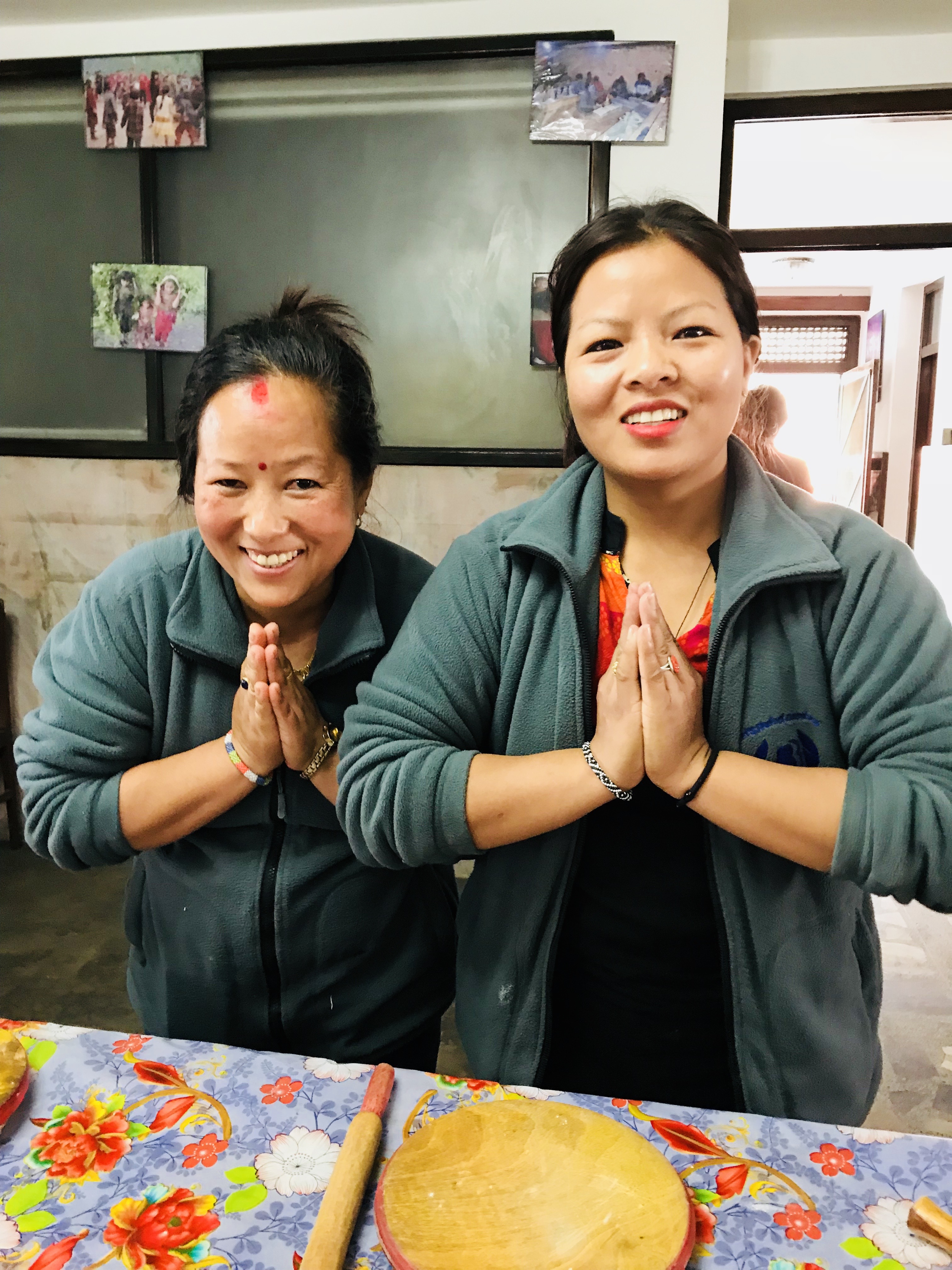
The Solution
Indira says she prefers to inject her energy into lobbying governments, police and stake holders like NGOs.
“We are known now. Before we began our programs, many girls were missing from the mountains, now there are adolescent girls living and working on the mountains,” she says.
“One day we can stop this problem in Nepal. If the traffickers work one time, we should work two times.
“If we expand our program into 77 destinations in Nepal we can stop human trafficking.”
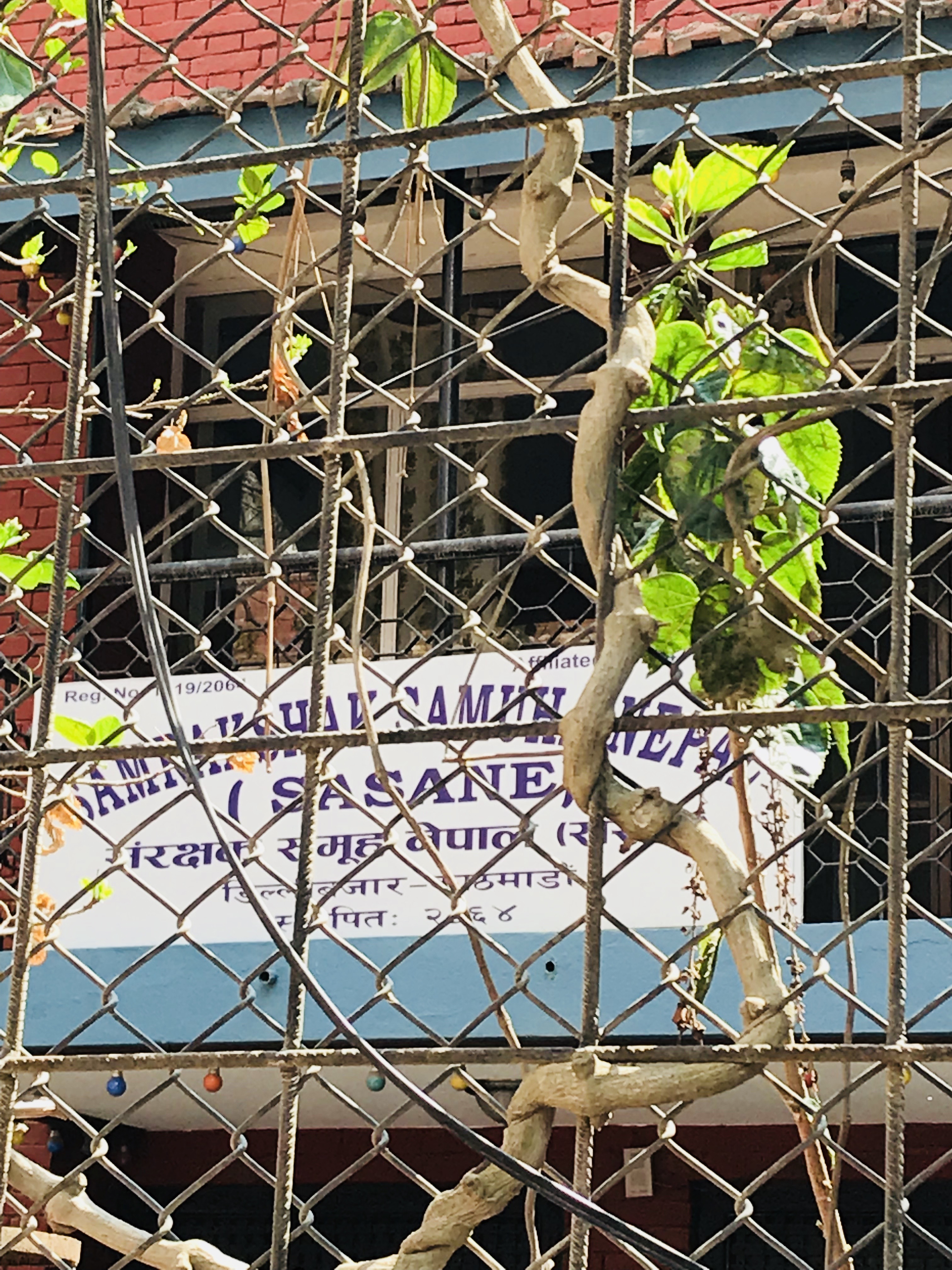
The Future
Each year, through their tourism projects – visitors to SASANE are taught how to make Nepal’s traditional dumpling dish of momos before being served lunch – and other collaborations, SASANE raises a massive USD85,000 to continue its work. But it’s still not enough.
SASANE has plans to open restaurants in Kathmandu’s heavy tourist area of Thamel.
“The message for all of the women in the world is that if you don’t have economic opportunities you cannot survive,” she says.
“If you don’t have skills, you have to sell your body.”
Just before our interview ends, Indira begins to cry, not over the abuse she and other women have survived, but because tour groups such as ours visit SASANE.
“Thank you, you are giving us so much strength. Many people are visiting the mountain (Everest) but not the bottom part of the mountain. We should show their stories,” she says.
“I’m not a tough woman, other women are stronger than me. I’m only trying to do my best.
“I want to be a kind-hearted woman. I just give hope and love.”
To donate to SASANE go to http://www.sasane.org.np. The Global Goddess travelled as a guest of G Adventures (www.gadadventures.com) and Thai Airways (www.thaiairways.com)
Category: travel writing
8 Awesome Animal Experiences around the World
I’VE been incredibly fortunate in the past few years, in the course of my travel writing adventures, to indulge in some of the most amazing experiences that exist between humans and animals. Here’s 8 I’ve done that I’ll reckon you’ll love.
1. Walk with the Polar Bears
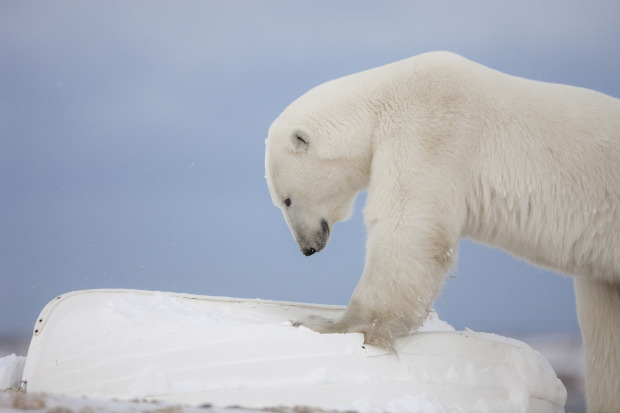
To be utterly honest, I was more frightened of how cold I expected it to be up in arctic Canada, than being eaten by a polar bear, and I was right. This trip-of-a-lifetime sees you fly into Winnipeg, where you will overnight and be fitted with your polar gear (which assists greatly with minus 14 degree Celsius temperatures). The next day you’ll fly to Churchill, and then board a tiny plane out to Seal River Heritage Lodge. Here, Churchill Wild runs “walk with the polar bear” safaris out on the arctic tundra framing wild and remote Hudson Bay. So unthreatened are these beautiful animals by this tour, one 400kg male came within 10 metres of our group. Sublime.
2. Snorkel with Salmon
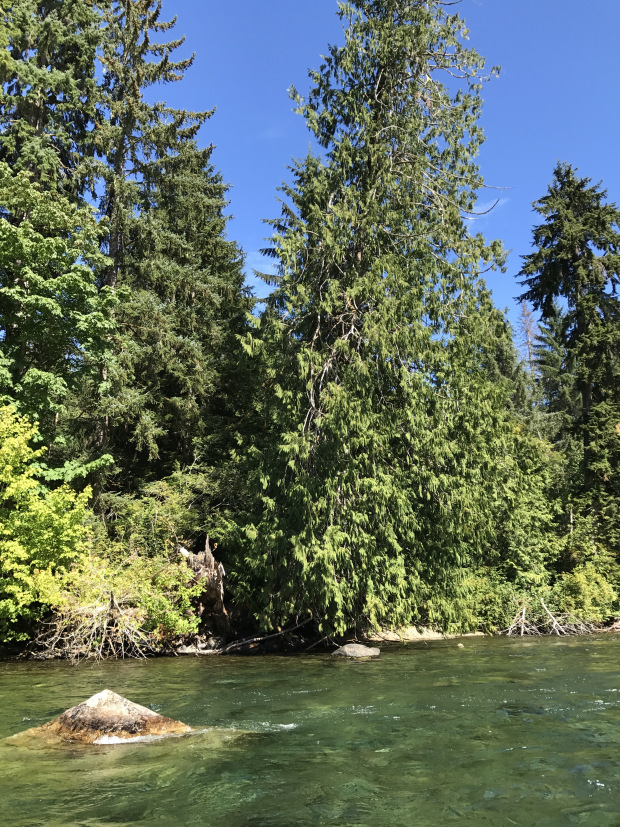
In this instance, I WAS frightened of bears, but I had no real reason. On this adventure, you fly out of Vancouver over to Vancouver Island and Campbell River. Here, you can join an eclectic journey with Destiny River Adventures where you will board a raft and paddle down Campbell River, before plunging into 14 degree waters. Yes, chilly, but worth it, as you plummet down the rapids, dodging rocks and snorkelling with salmon. There’s three pools to experience here (in pool two you are advised to fly like a super hero to avoid being shredded to bits by the rocks). And no, there are no grizzly bears waiting by the shoreline to feast on salmon, or you, as it’s the wrong season. What you will experience is a thrill of a lifetime, and come face-to-face with some friendly seals as well.
http://www.destinyriver.com
3. Sail to see the Komodo Dragons
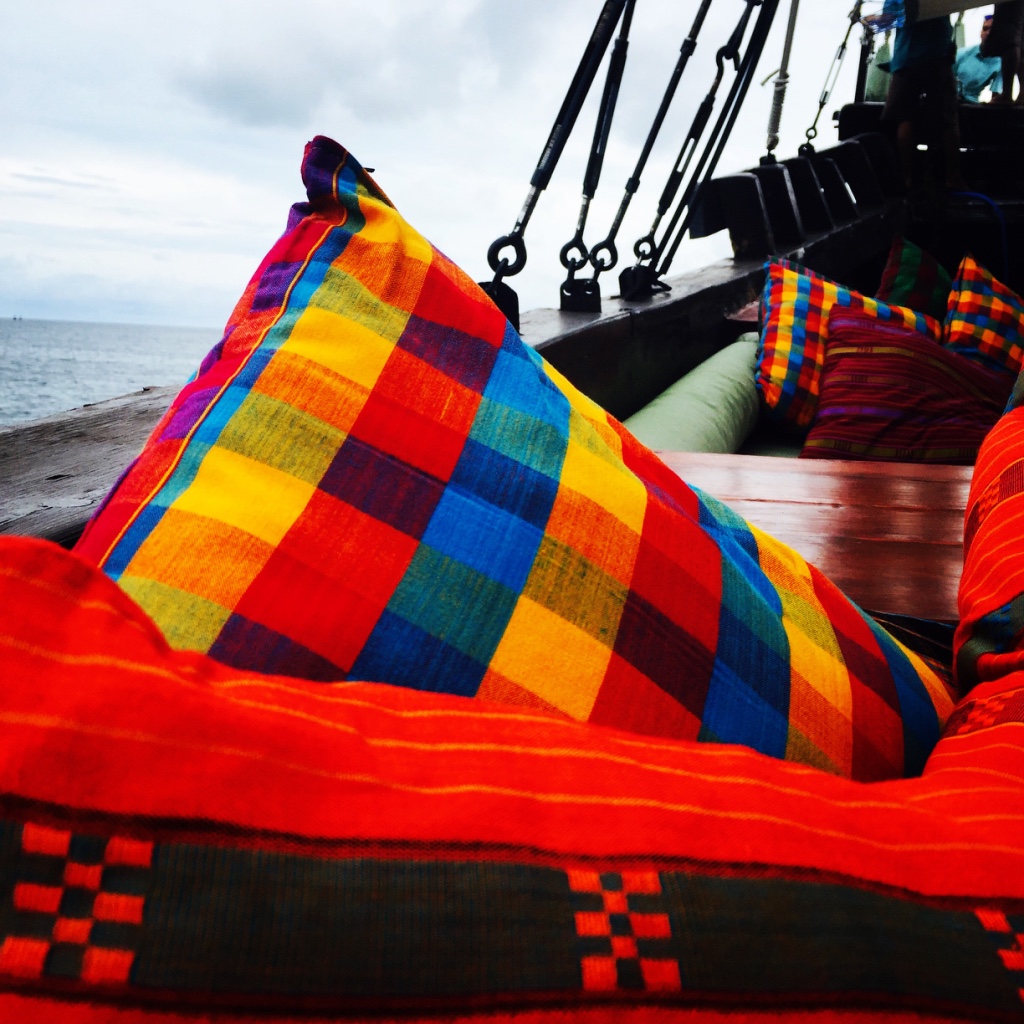
I LOVE lizards and any reptile for that matter, and had always longed to see the komodo dragons. But arriving at Komodo National Park is not as simple as it seems. However, there exists an incredible adventure which makes the journey a dream. Head out with Indonesian Island Sail on its traditional timber boat, and you can spend 14 glorious days sailing from Bali to Komodo and back. Along the way you’ll feast on fabulous food, snorkel some of the clearest waters in the region, swim with manta rays and turtles, and arrive at Komodo National Park where you can snatch a selfie with those gorgeous giants.
http://www.indonesianislandsail.com
4. Float with the Manta Rays
Did someone mention manta rays? A few years ago, while staying on Hawaii’s Big Island, I had the fabulous fortune of a night float with the manta rays. Courtesy of Manta Ray Advocates, at Kona, after dark you are taken out into the bay on an outrigger canoe. Then, when the conditions are just right, you are invited to slip into the ocean. Holding on to a surf board with handles, and sporting a snorkel and mask, you are invited to plunge your face into the ocean and watch as the magnificent mantas swim right up to you. If you are lucky, they will eye-ball you before they perform a tumble turn.
http://www.mantarayshawaii.com/mantaexperience.html
5. Drive a Reindeer or Husky Sleigh
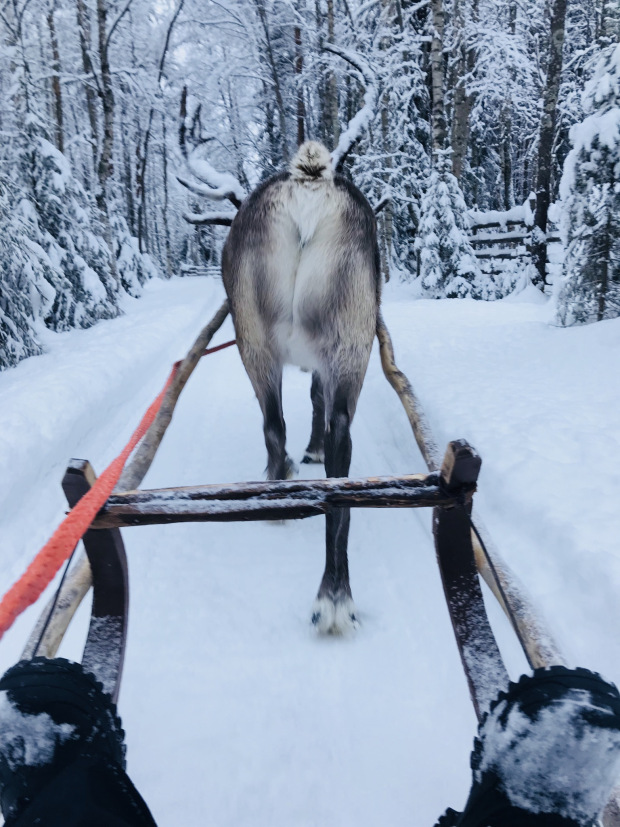
They are hard-core up in Finnish Lapland and it’s easy to see why. When you have months of darkness during winter, and the temperature plummets to minus 40 degrees Celsius, you tend to be made of serious stuff. Up at Beana Laponia Wilderness Boutique Hotel, a working husky farm, you are invited to not only join a husky safari, but are taught how to drive the team. Yes, you can become a musher. And it is seriously great fun as you fly through snowy trails in a pure-white winter wonderland. For those looking for something a little more sedate, the hotel can also arrange for you to do a reindeer safari. Not as fast or as fun as the huskies, but if Santa is your thing, this might be right up your alley.
http://www.beanalaponia.com
6. Meditate with a Horse
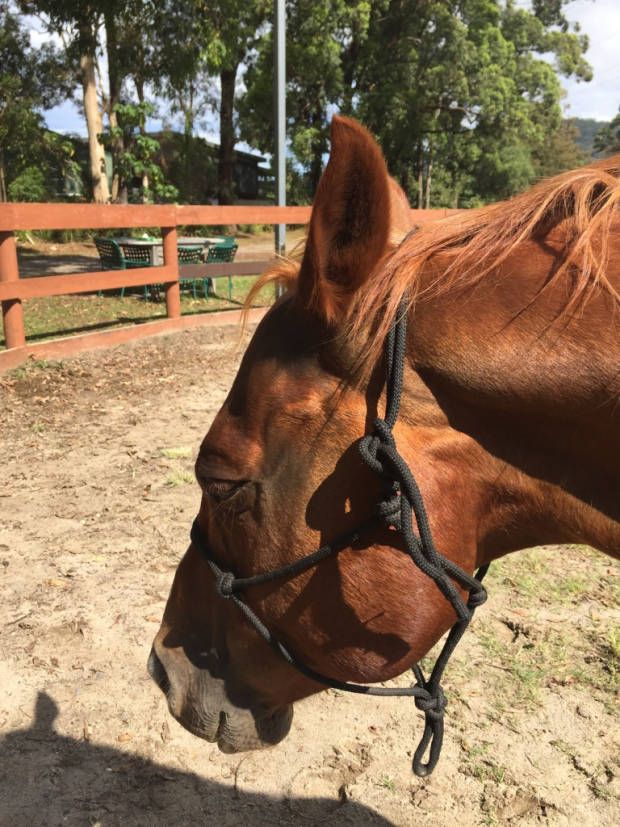
If only the horse could talk. One of my craziest animal experiences to date, this one occurred in the Gold Coast Hinterland at Gwinganna Lifestyle Retreat. Sure, you can do yoga, tai-chi or go bushwalking, or, if you’re like me, you can indulge in a one-hour meditation session with a horse. At first I was dubious, but it became very obvious during this session that Jack knew far more than I realised. Horses are used for therapy as it is believed they can pick up on human emotions (without any of the bullshit) and from my experience, Jack was spot on. When I was nervous, Jack was skittish. When I lost confidence leading him around the ring, so, too, did Jack. By the end of this session I was able to command Jack to gallop, and stop, purely by using my breath.
https://www.gwinganna.com
7. Witness hatching Turtles
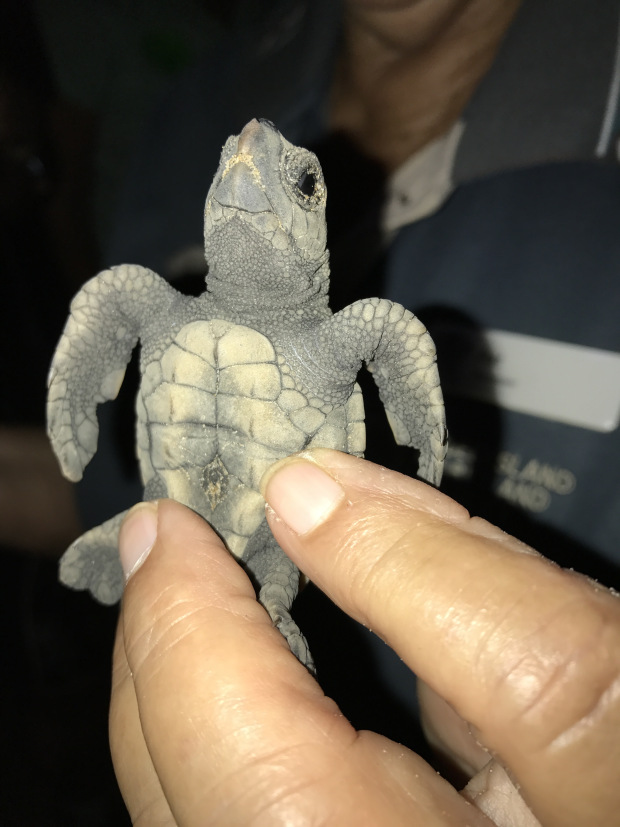
There’s few nicer things in nature than watching an animal begin its life journey and at Bundaberg, on Queensland’s Southern Great Barrier Reef, you can do just that. Between November and January, head to Mon Repos Beach and watch the lady loggerhead turtles lay their eggs, and then, between January and March, you can encounter the hatchlings as they erupt from the nests. Carefully managed by the Queensland Parks and Wildlife Service, join a ranger on a guided tour at night on the beach and your life will never quite be the same again. https://www.bundabergregion.org/turtles/mon-repos-turtle-encounter
8. Hang out with some cool Cats
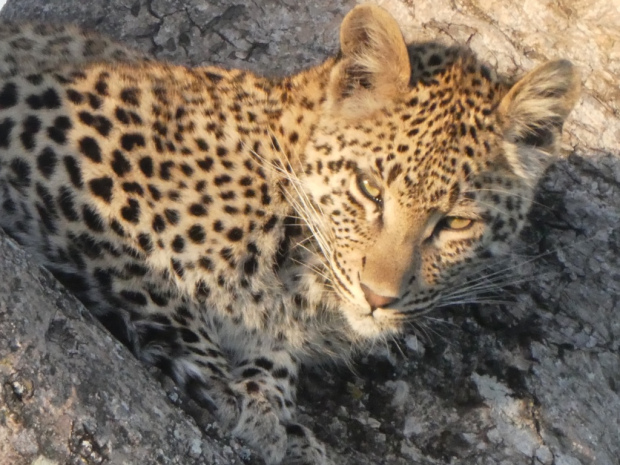
If you’ve ever wanted to witness Africa’s Big Five, this is your chance. And at Sabi Sabi Luxury Safari Lodges, you can do this in style. Plonked within South Africa’s Kruger National Park, each day you’ll head out on two safaris, one before dawn and the other before dusk, for your best chances of seeing animals in their wild habitat. Again, I was initially worried about being mauled by a lion, but you are in a four-wheel drive with a ranger and a spotter who are fastidious about safety. And, by the end of my trip, I was even going on walking safaris, out in the open, with the exceptional guides who will explain animal tracks and the stories behind them.
https://www.sabisabi.com
AND ONE I CAN’T WAIT TO DO
9. Swim with the Whales
Last year, I was all set to slip into the Pacific Ocean off of the Sunshine Coast and swim with the whales, but wild weather prevented that adventure. But each year, between July and October, when the humpback whales are migrating from Antarctica to breed and play in Queensland’s warm waters, visitors have the opportunity to go out with Sunreef Mooloolaba to get wet with the whales. You hold onto a floating line attached to the boat, and then it’s up to these mammoth mammals as to how close they wish to get to you. Watch this space…
http://www.sunreef.com.au/experiences/swim-whales

What animal experiences have you done that you’ve loved or want to do? My list doesn’t end. At number 10, I want to swim with the whale sharks and do a shark cage dive
1000 reasons to follow me on Instagram
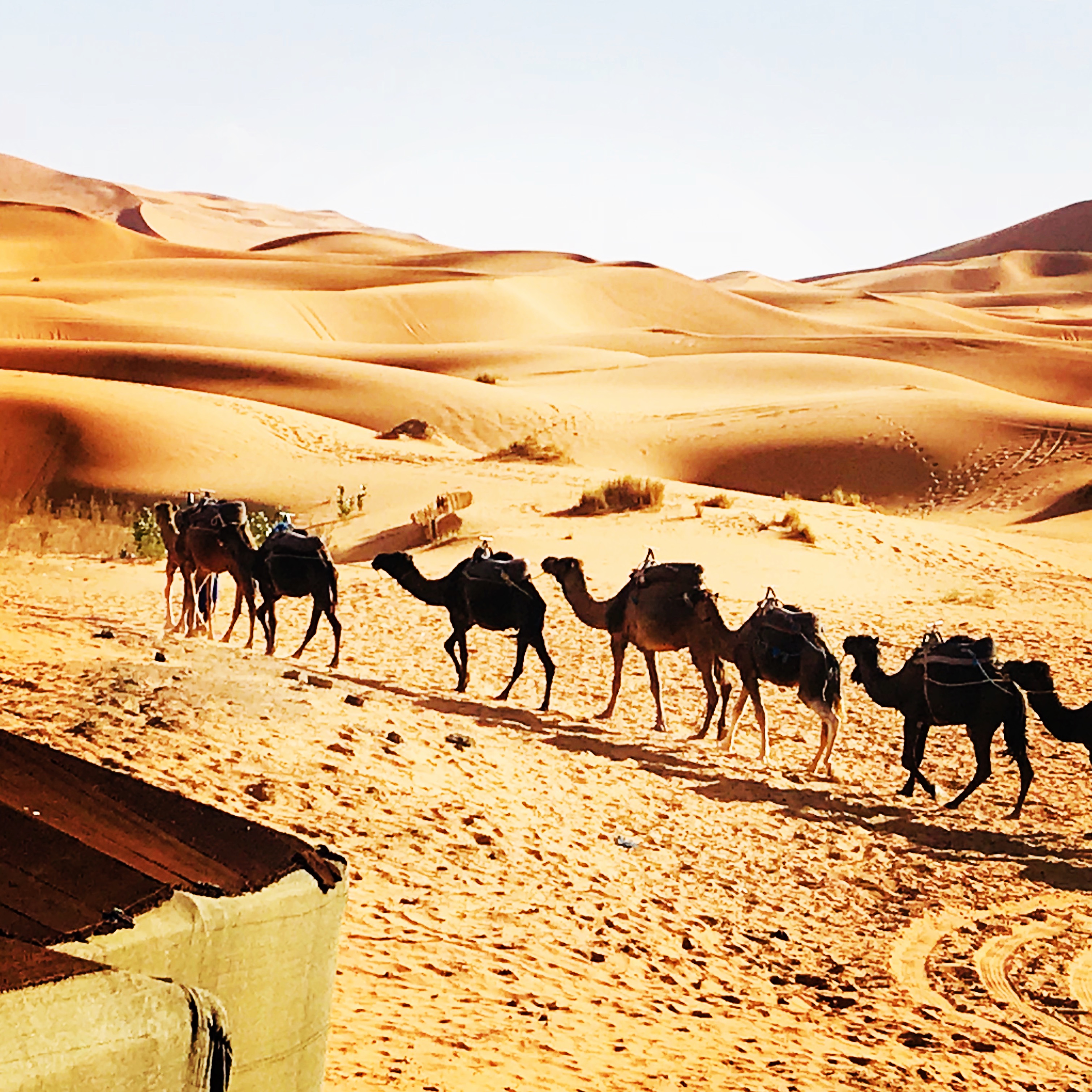
JUST like this camel caravan I captured in the Sahara Desert, I’ve been working hard to attract more followers. For the past year, I’ve posted a photo a day on Instagram and recently hit my first 1000 followers. I’ve also posted more than 1000 photos, so that’s at least 1000 reasons to follow me. Here’s a selection of my most popular pics, taken from my global travels over the past six months, and published under my Instagram handle @aglobalgoddess. I’d love to see you over there.
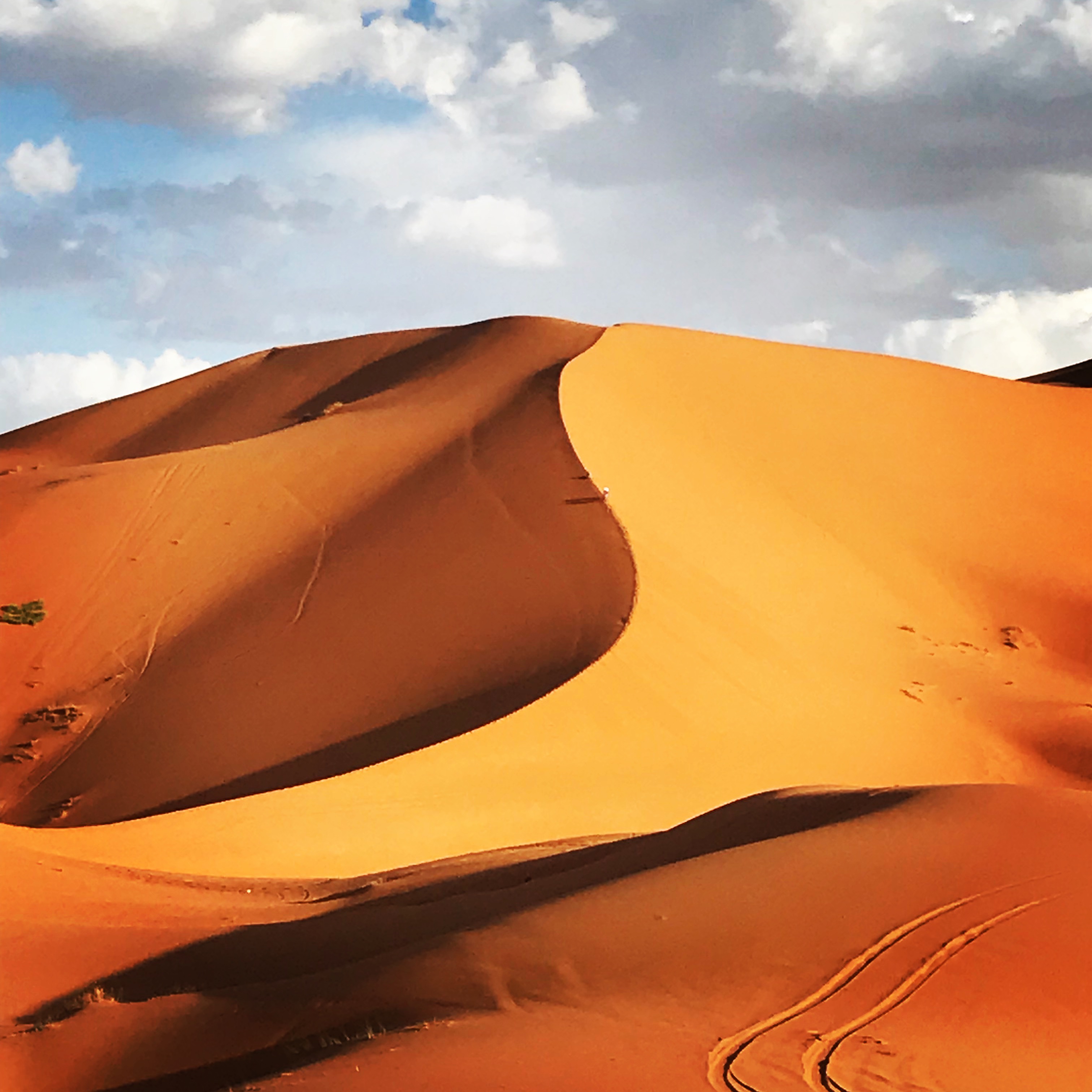
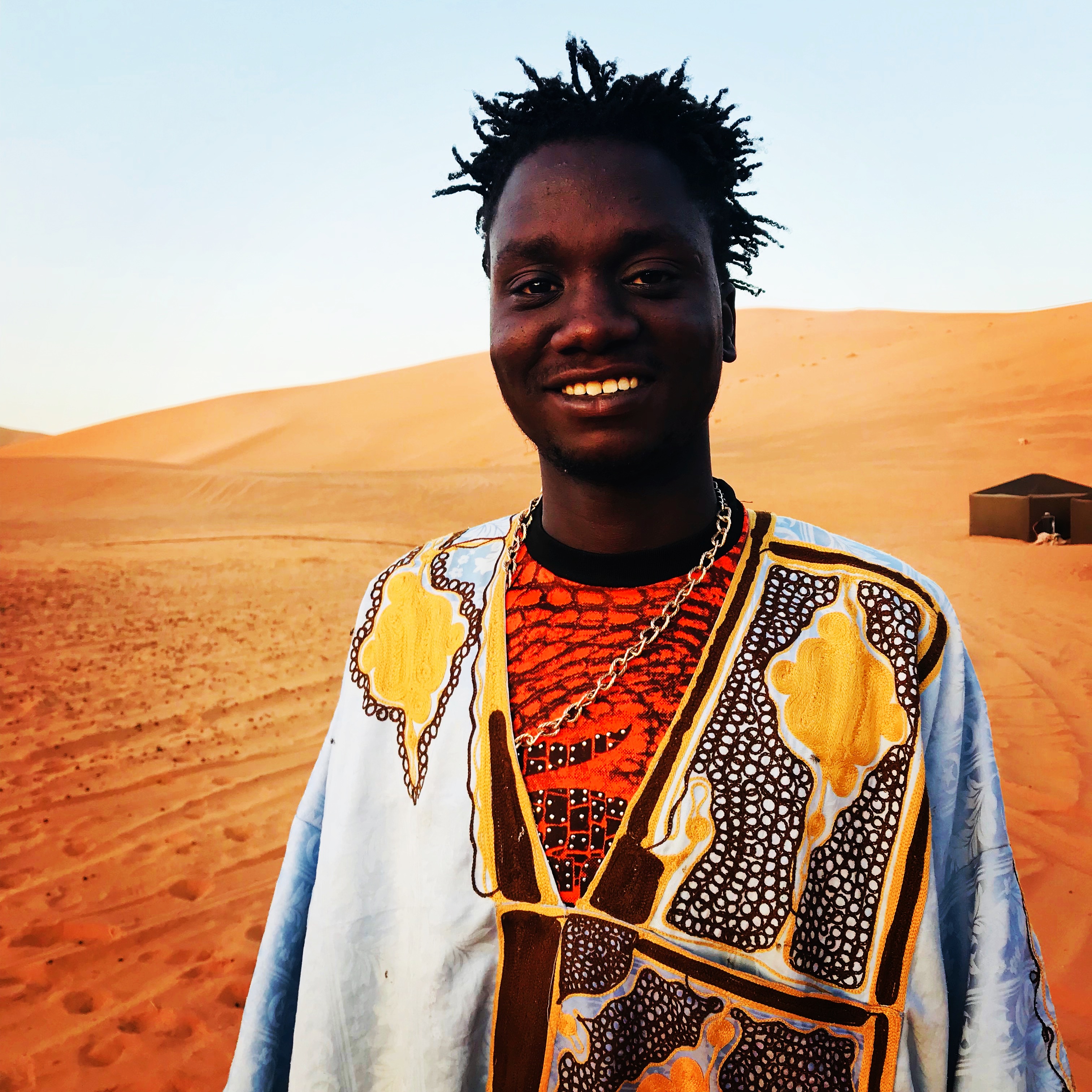
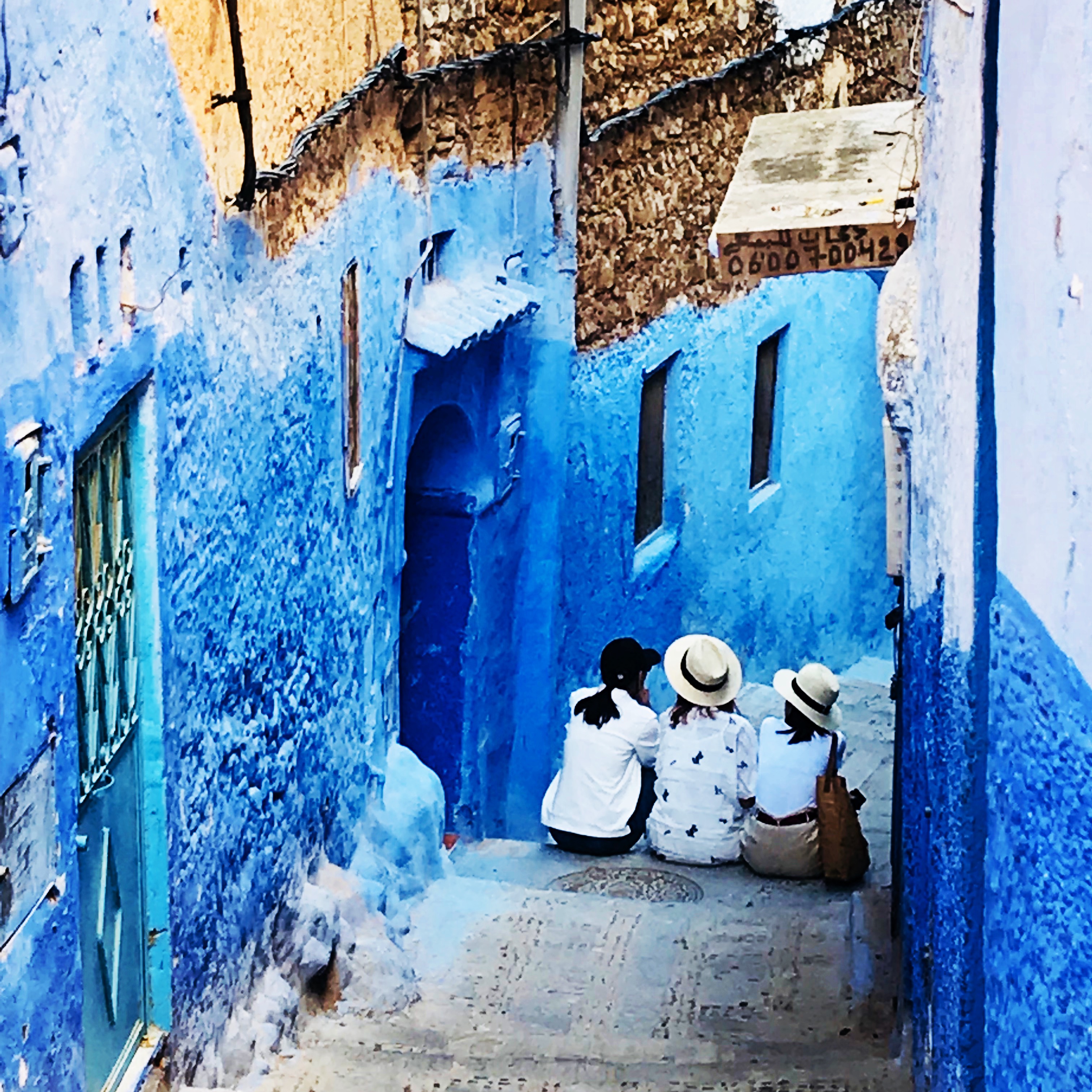
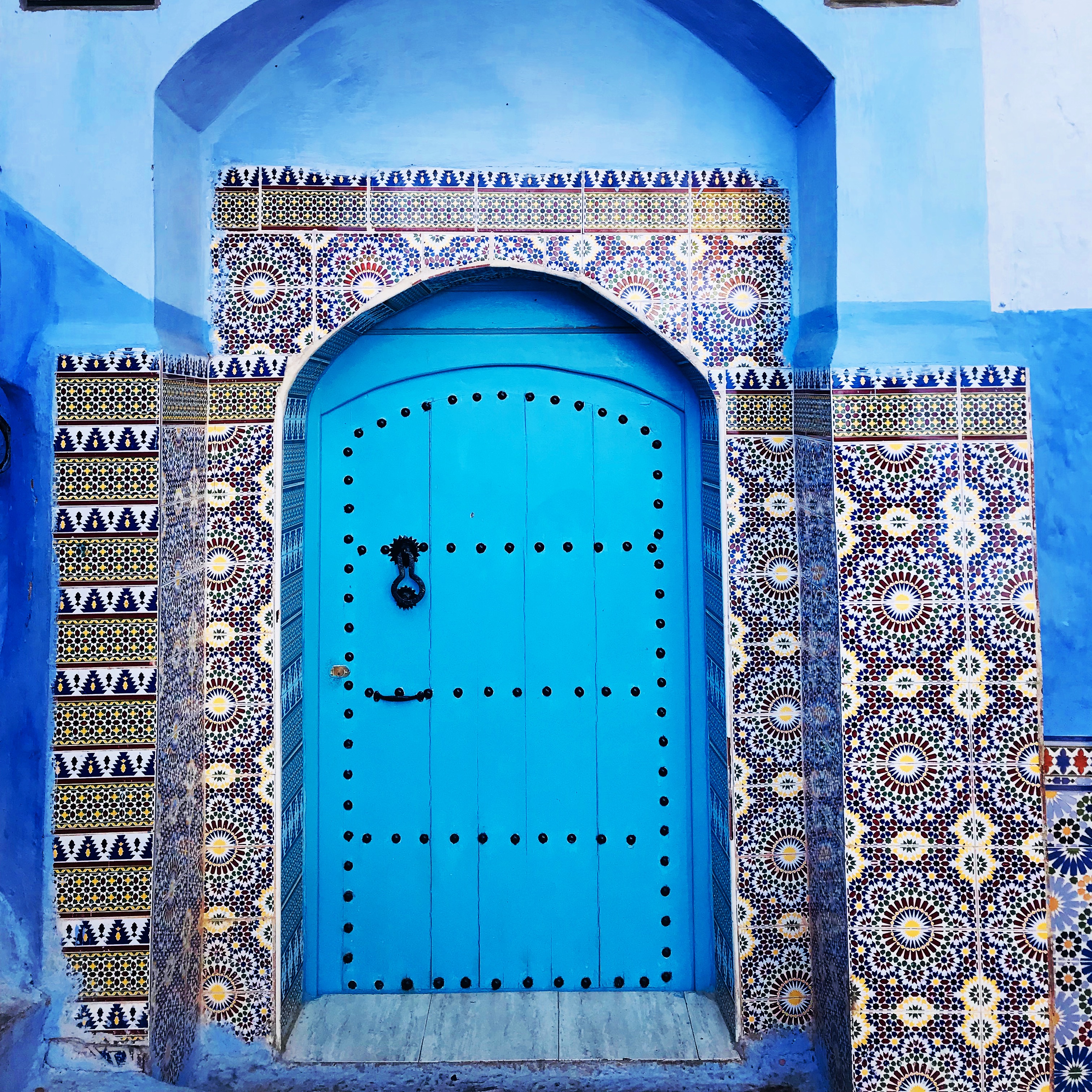
From the desert dust to the brilliant blues of Chefchaouen, Morocco served up a kaleidoscope of colour and charm.
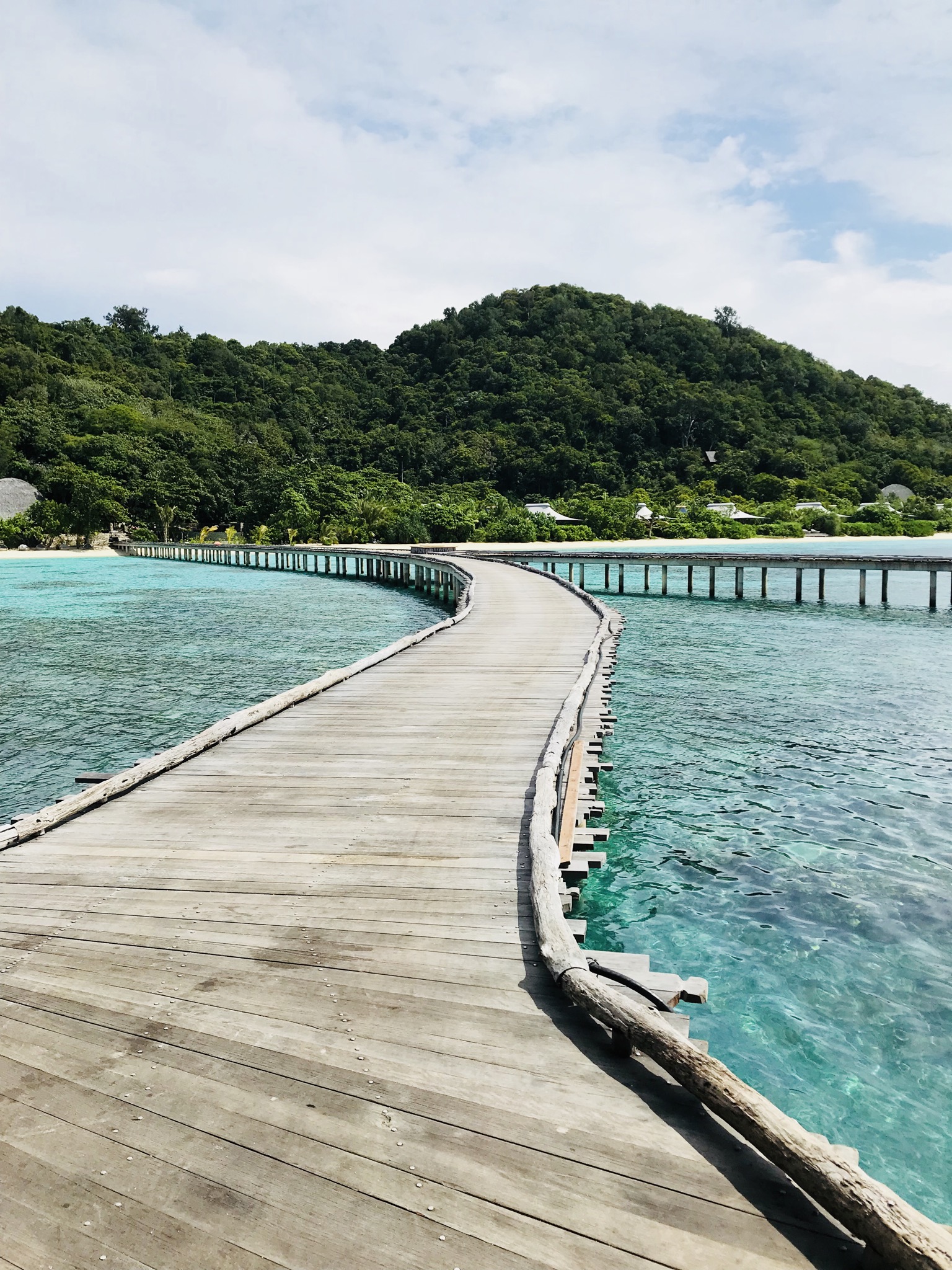
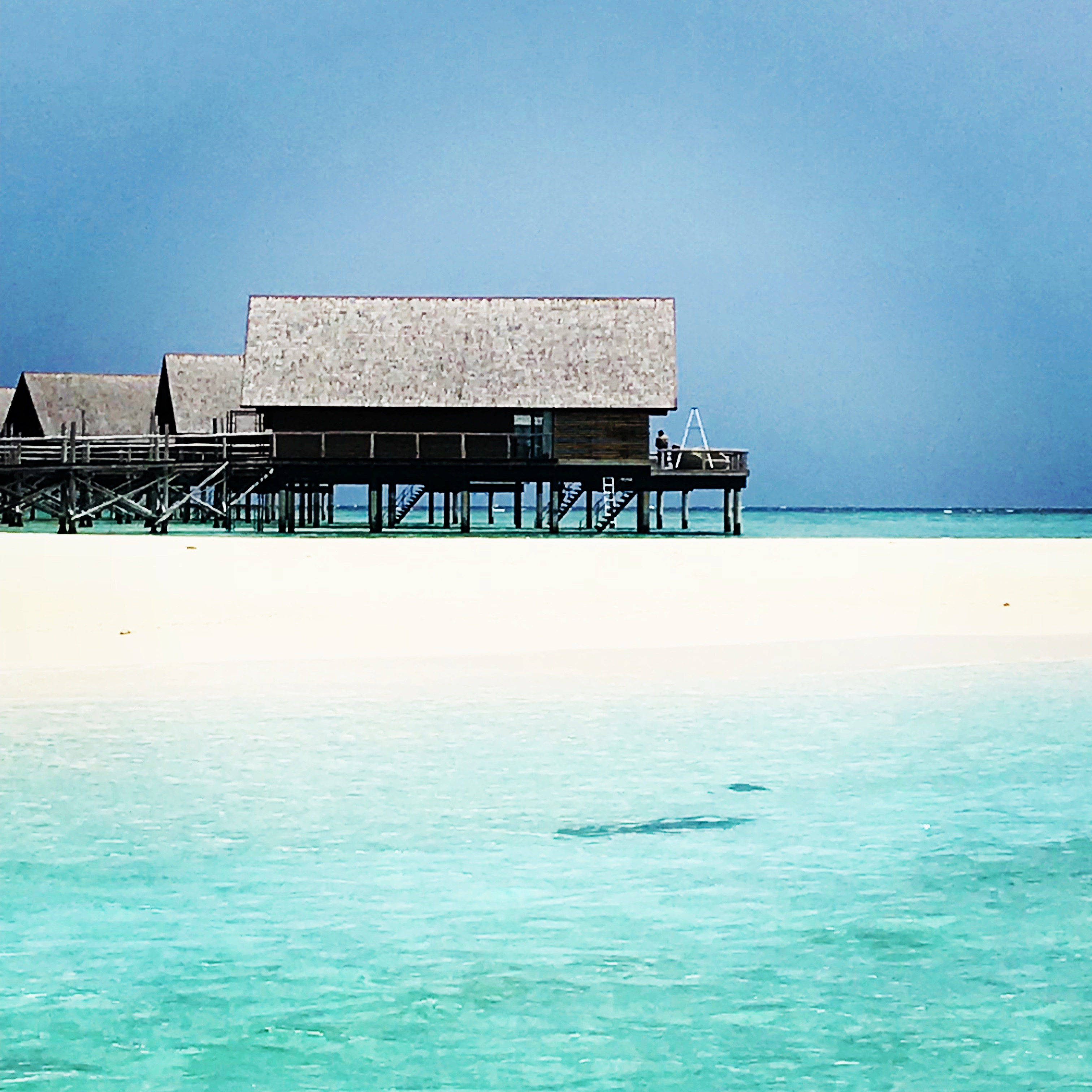
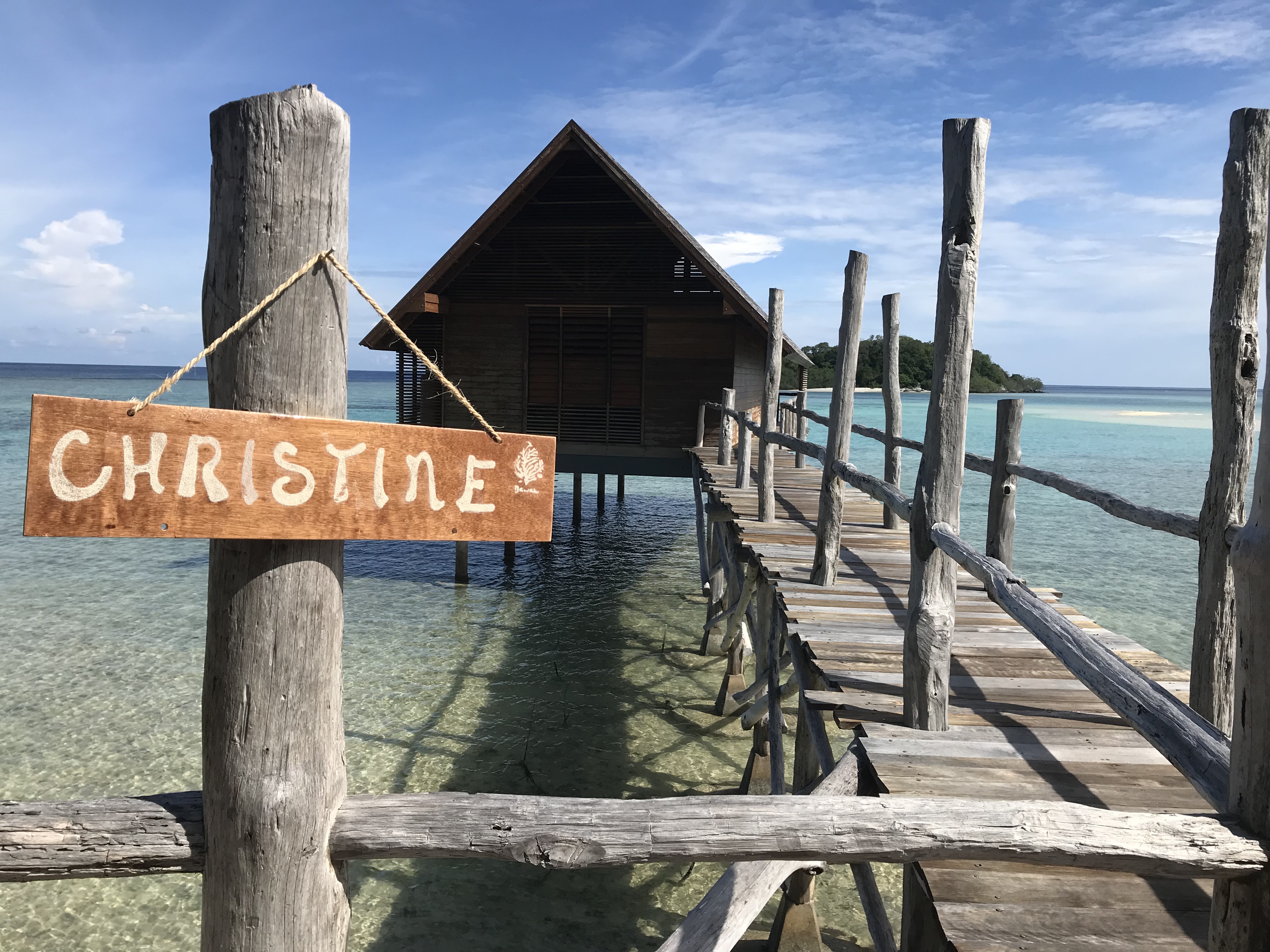
Indonesia’s beautiful Bawah Island gave me the blues, in the best possible way.
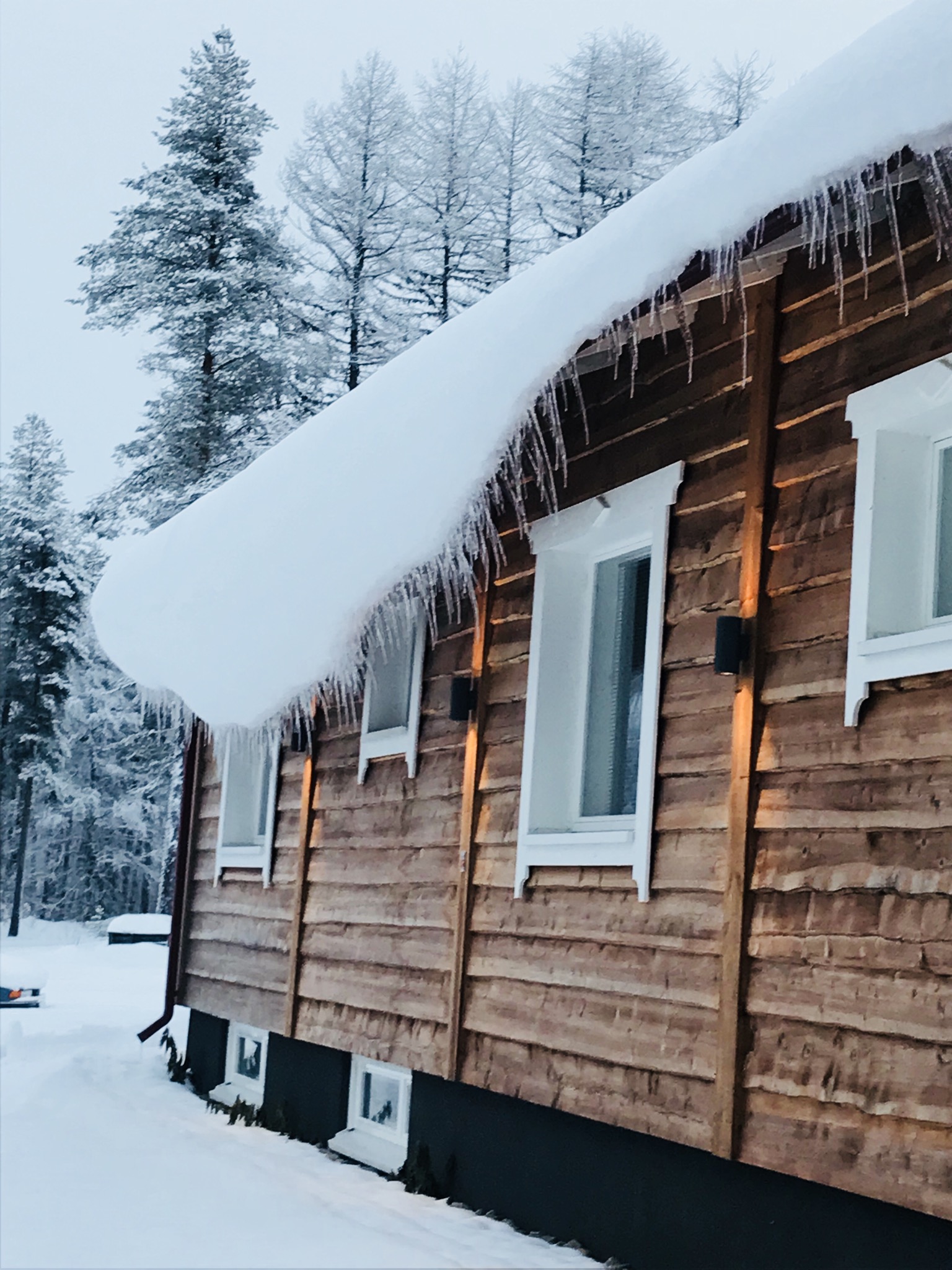
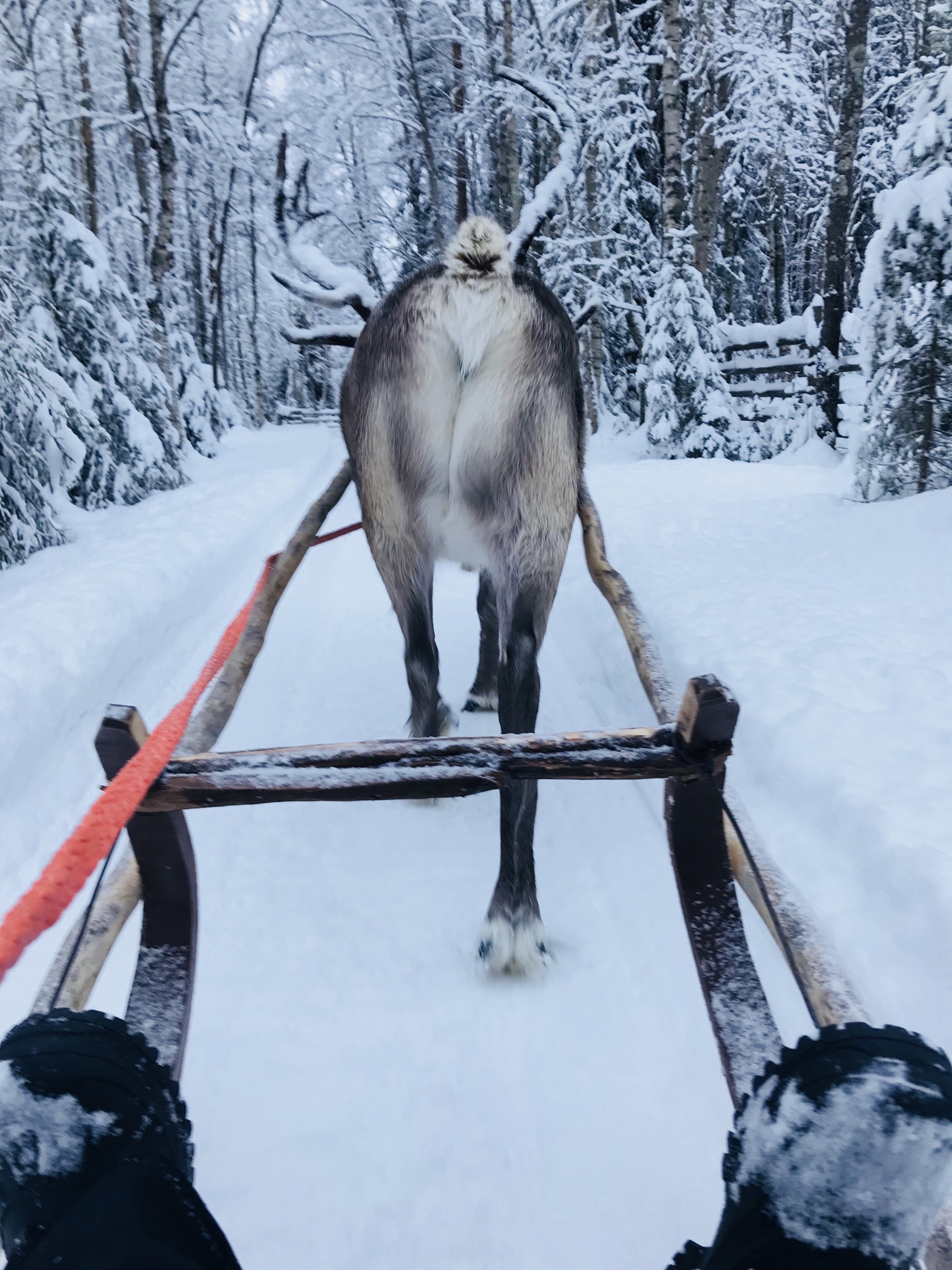
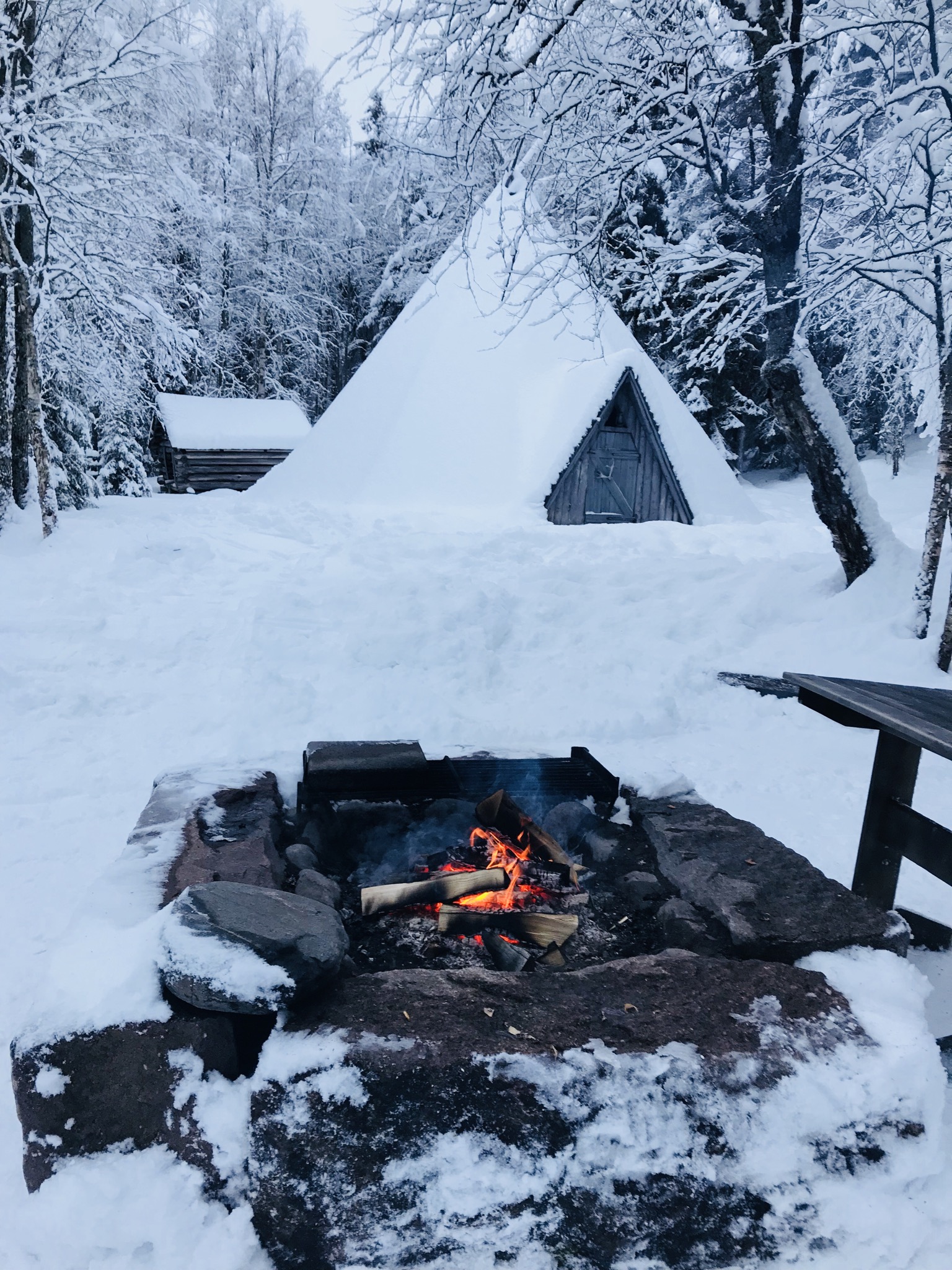
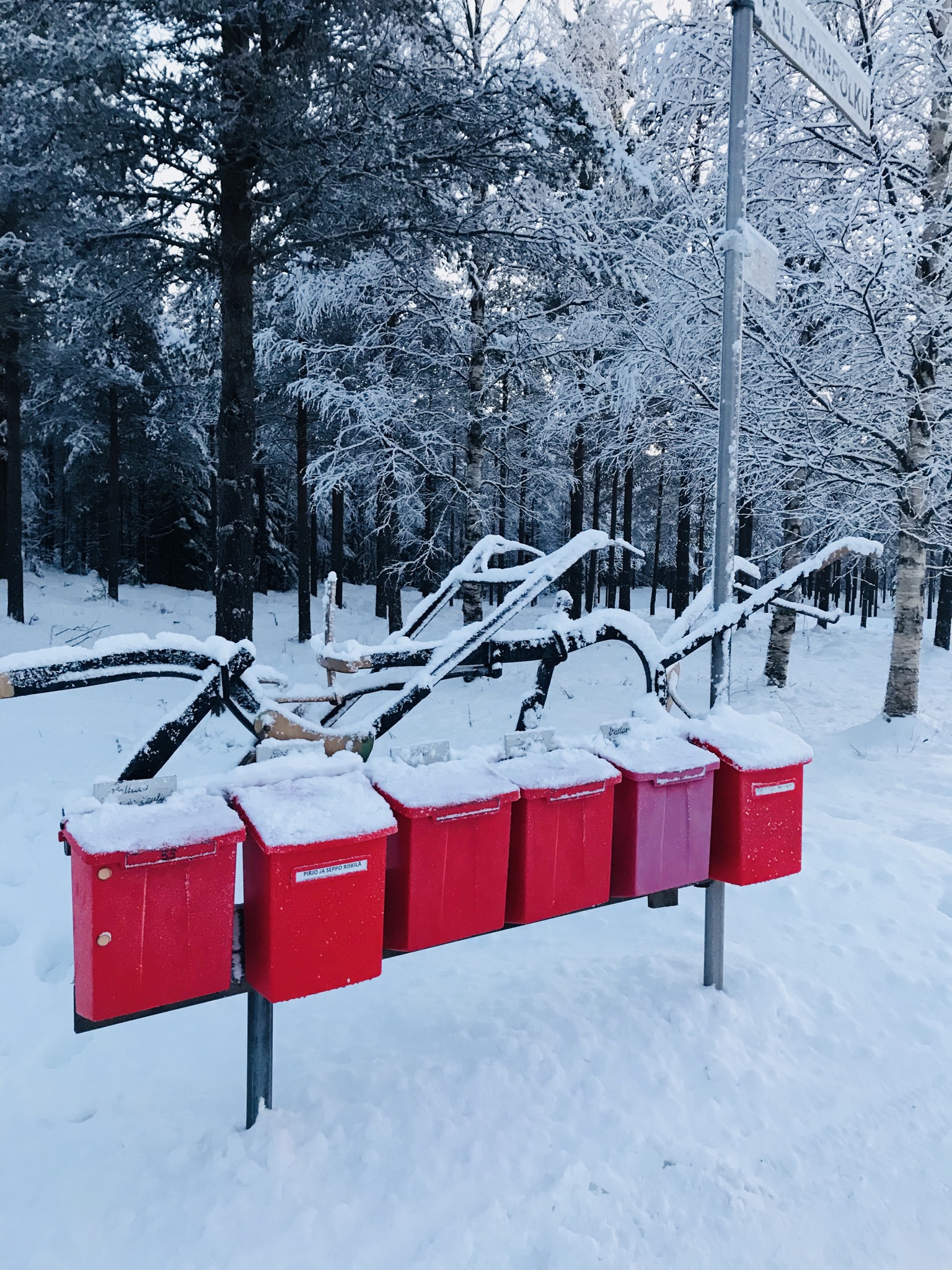
Finland’s Lapland was all white and all right.
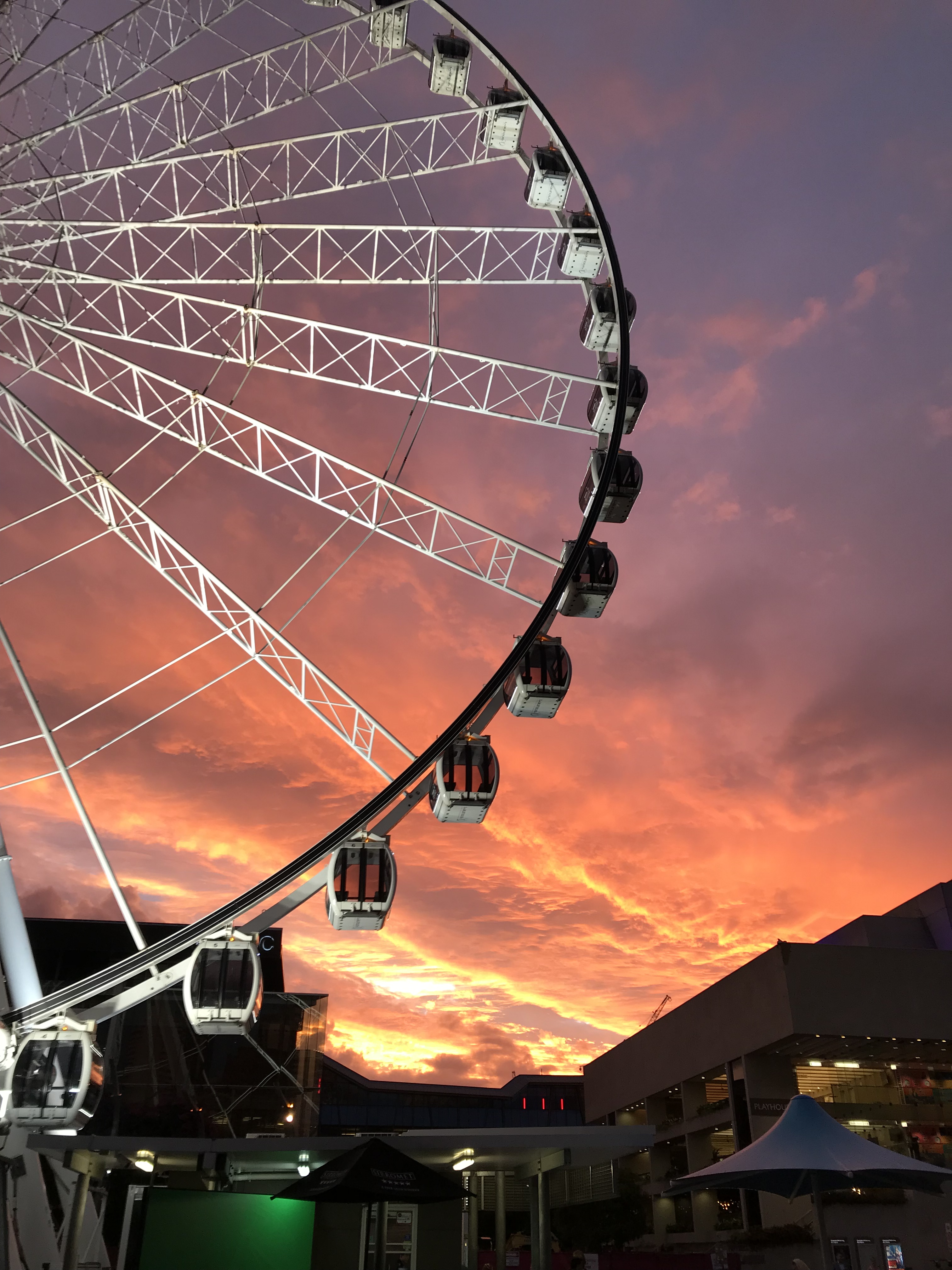
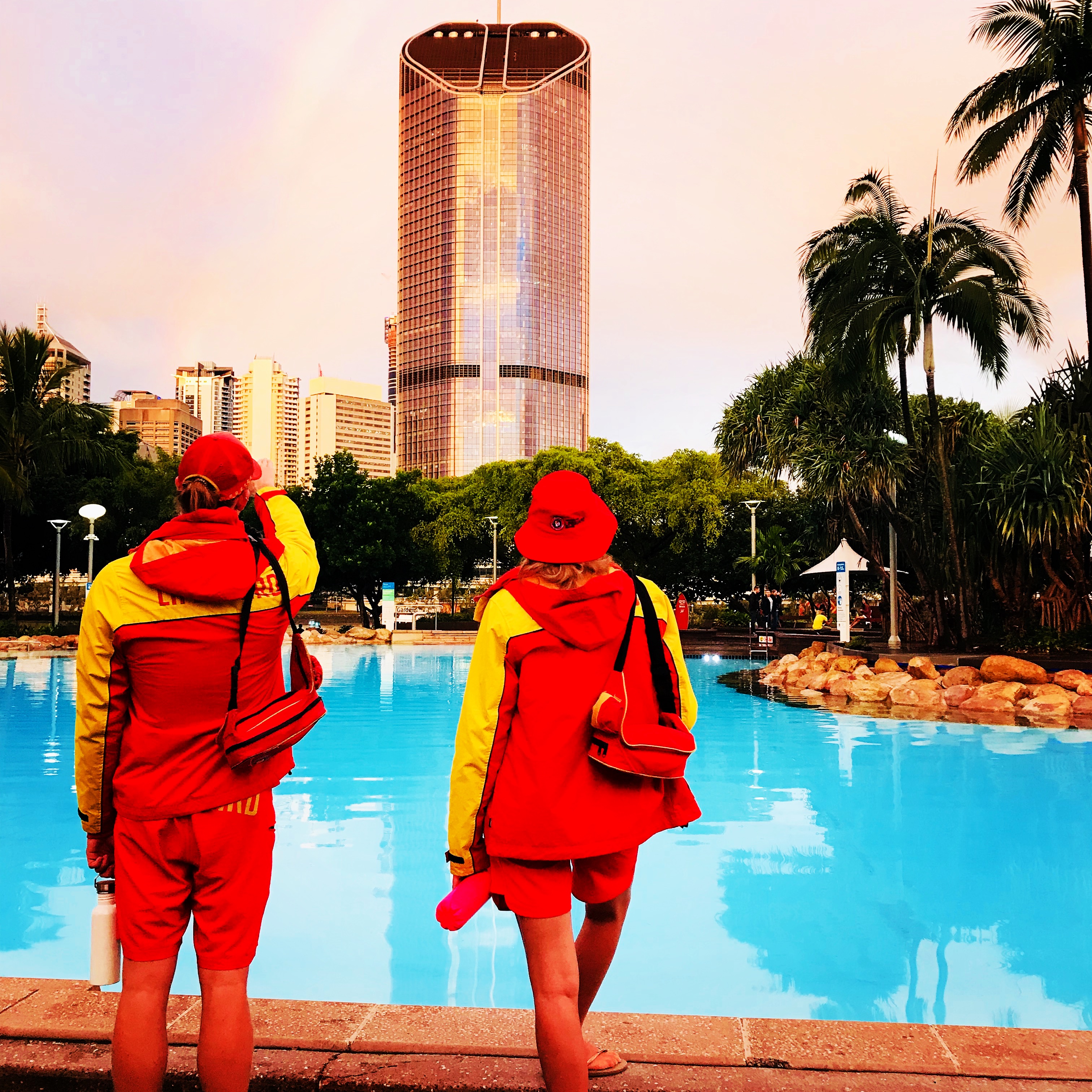
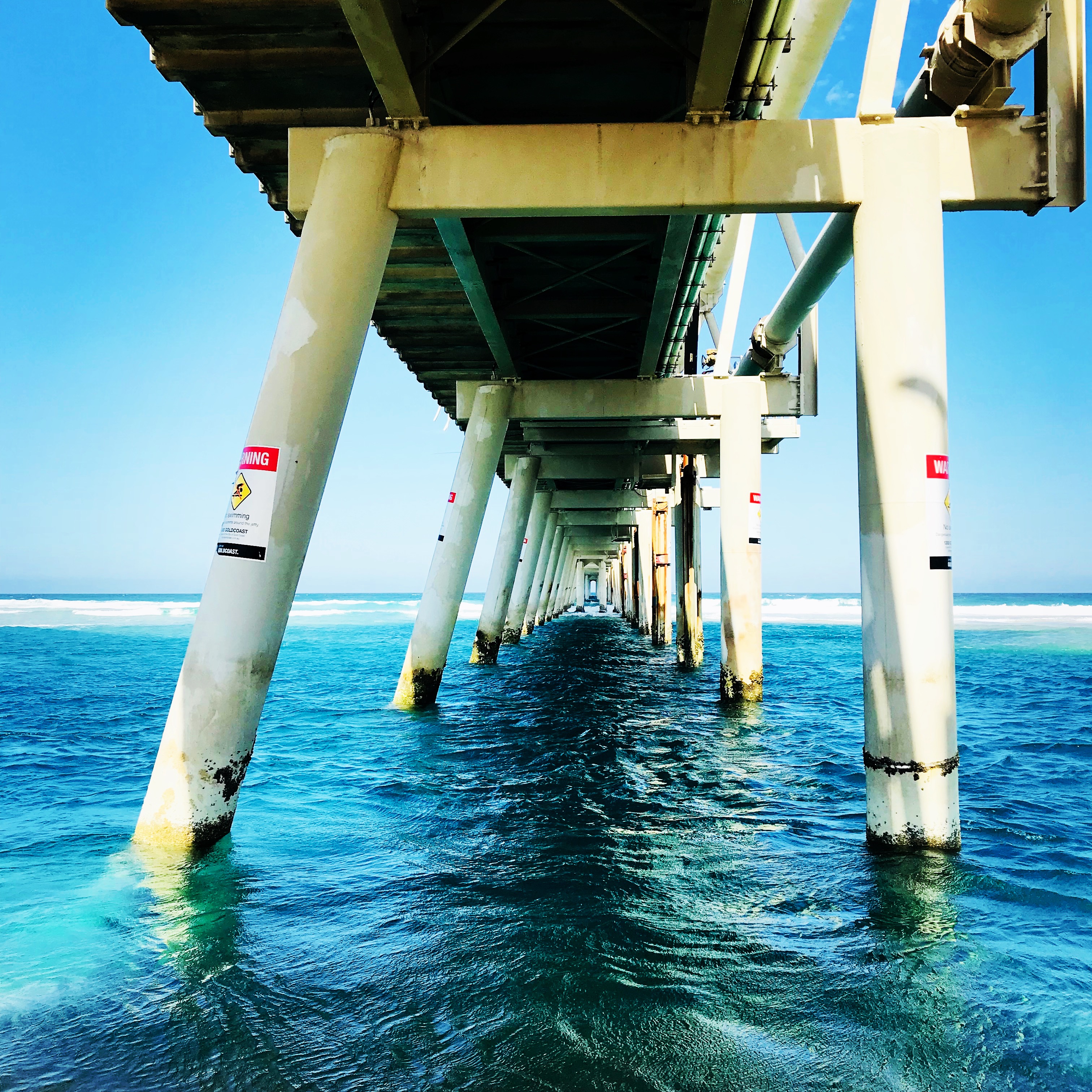
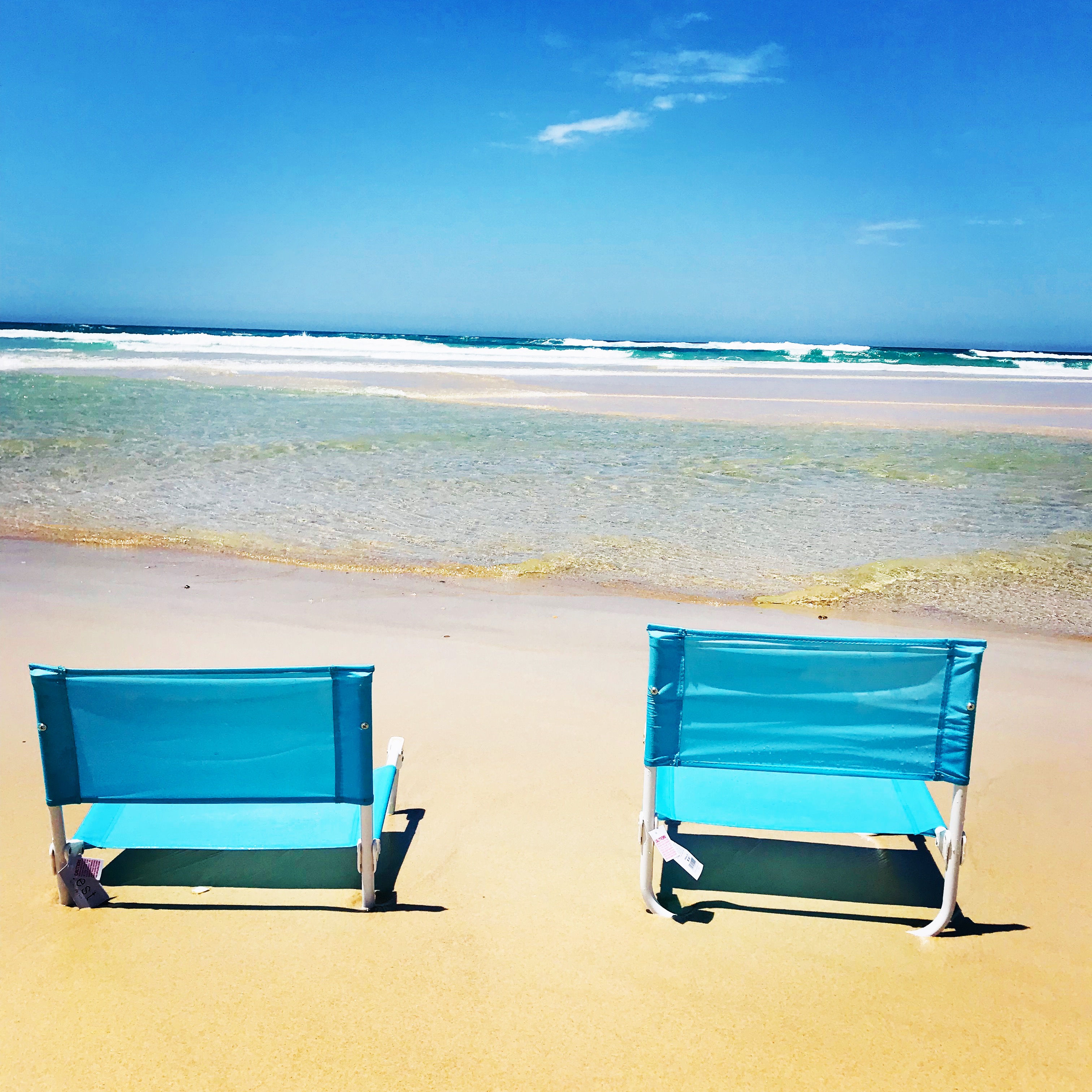
Back home, the Aussie summer served up its bushfire orange sunsets and aqua beach days.
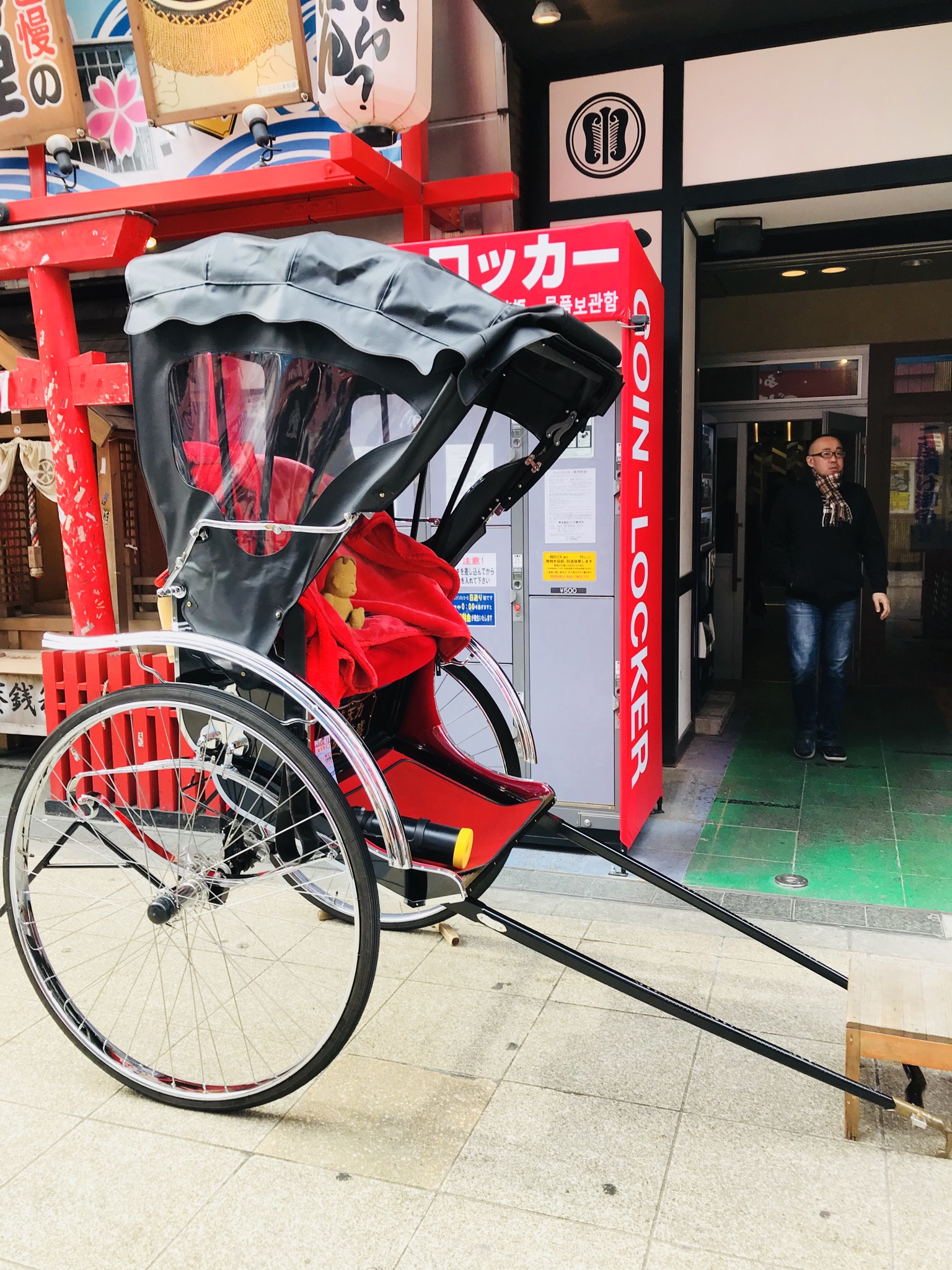
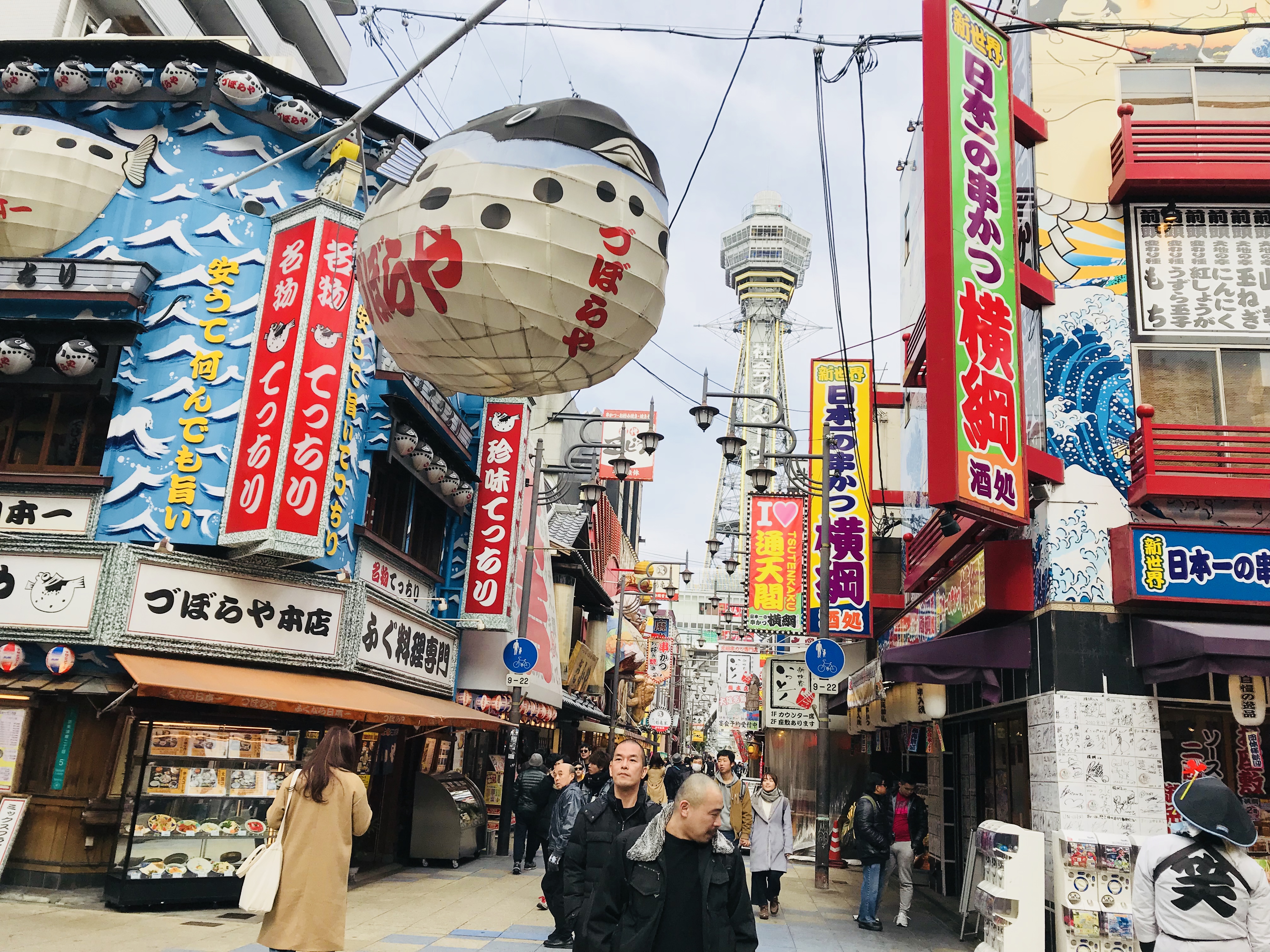
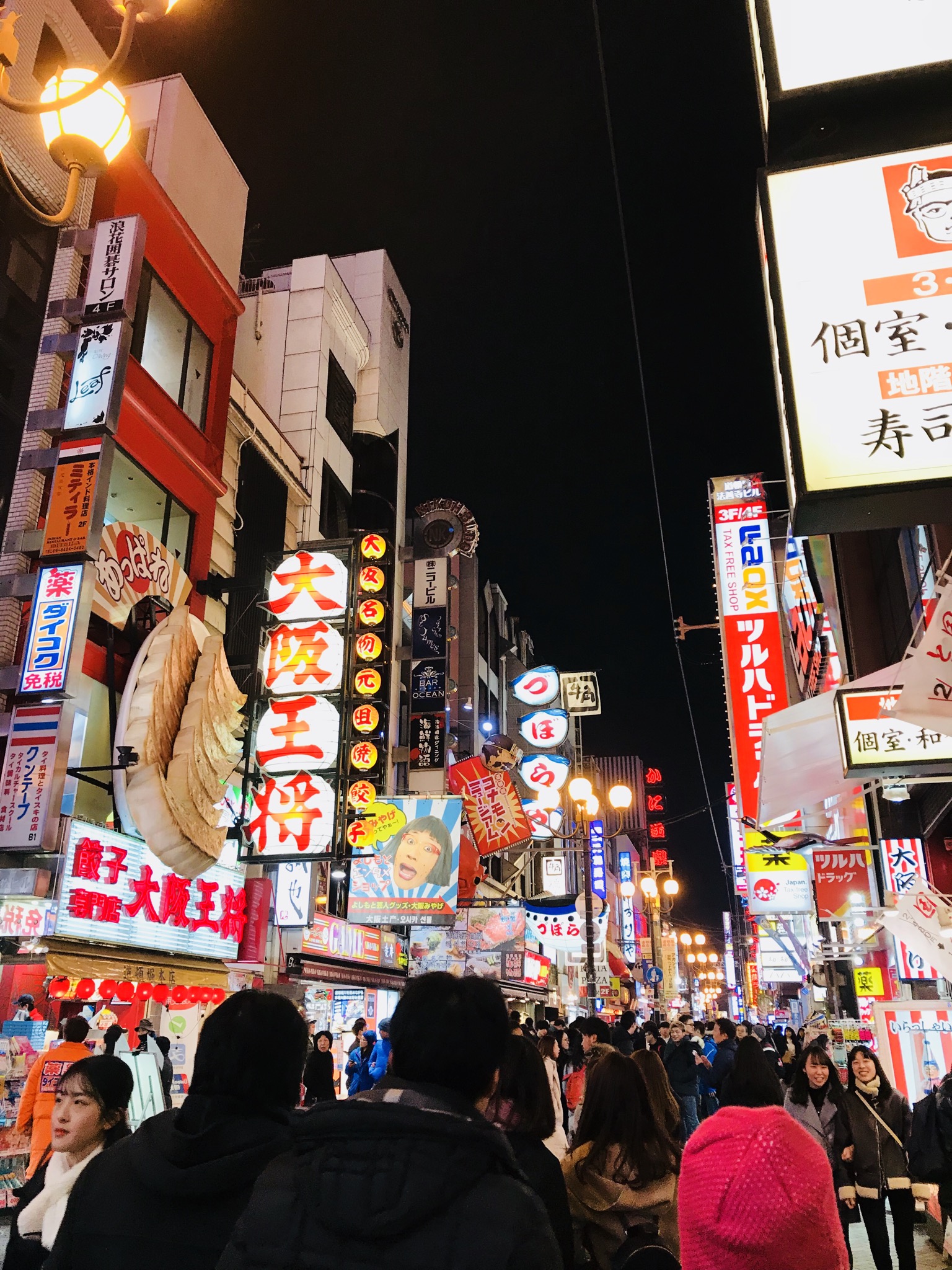
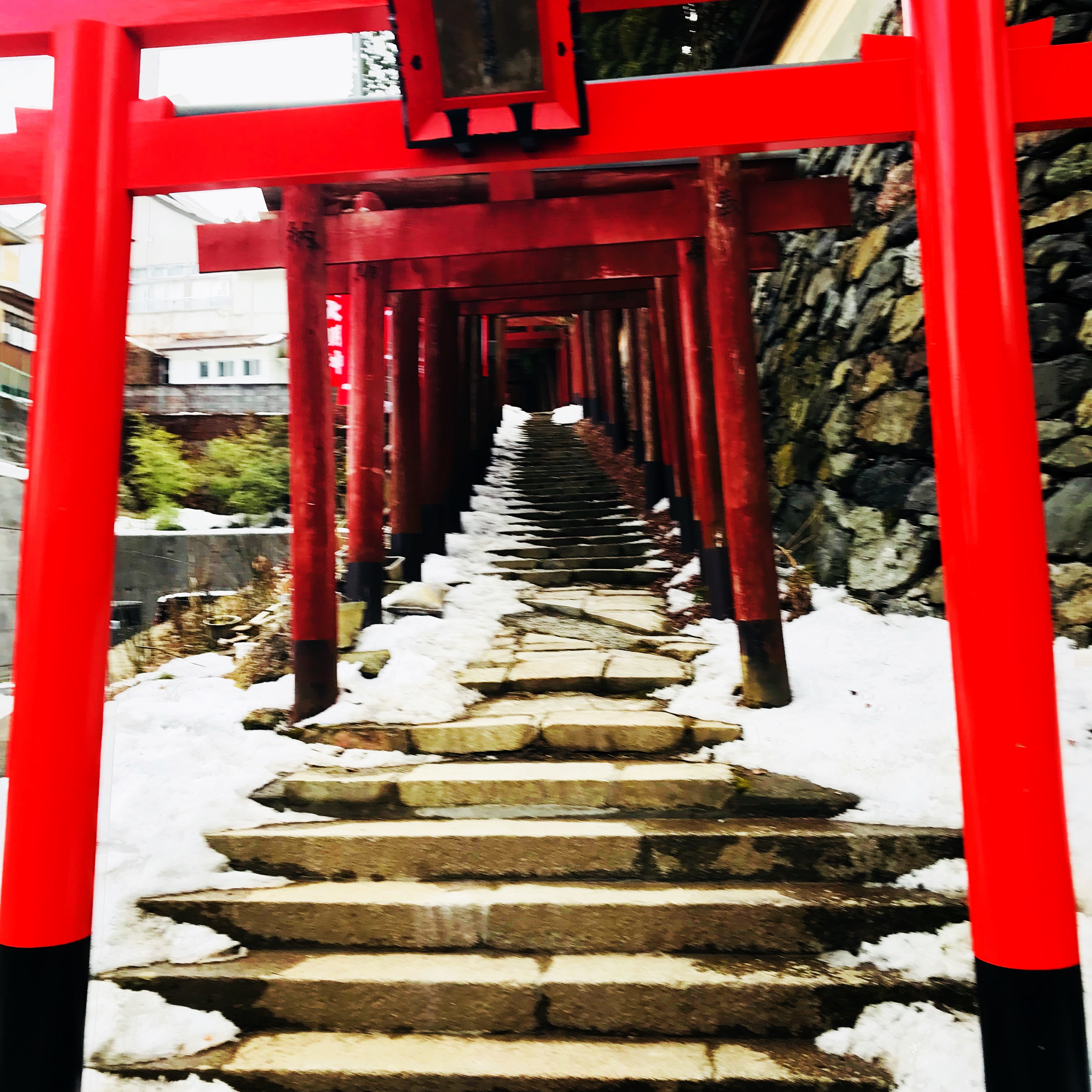
While on my first trip to Japan last month, it was better to be red, than dead.
Follow me on Instagram @aglobalgoddess
9 Sublime things that will shock you about Japan
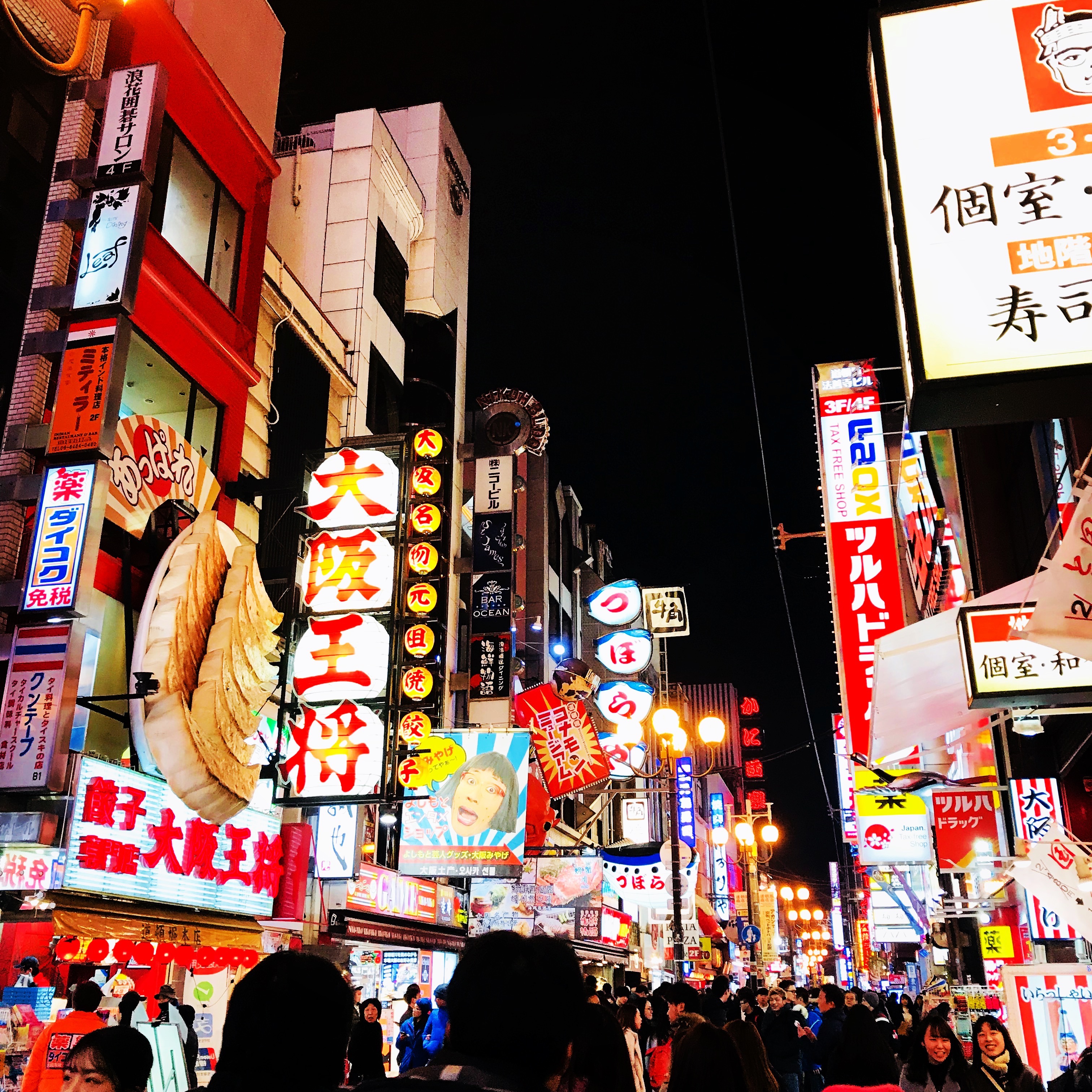
I’VE just returned from my first trip to Japan and it won’t be my last. For first-timers, toss away any preconceptions you may have had. For this is a country which surprises and delights. Here’s 9 divine things that will shock you about the Land of the Rising Sun.
1.Nudity Is Normal
OK. So maybe not outside, but pop these people into a hot onsen and watch the good times roll! So normal is nudity inside these traditional Japanese bathing houses, it is frowned upon and considered unhygienic should you attempt to wear your swimming costume inside. I should know, I attempted this sneaky tactic several times, but was actively discouraged. Even trying to cover your “bits” with the tiny towel handed to you, is promptly poo-pooed. The towel goes on your head, your boobies are there for all to witness. Awesome.
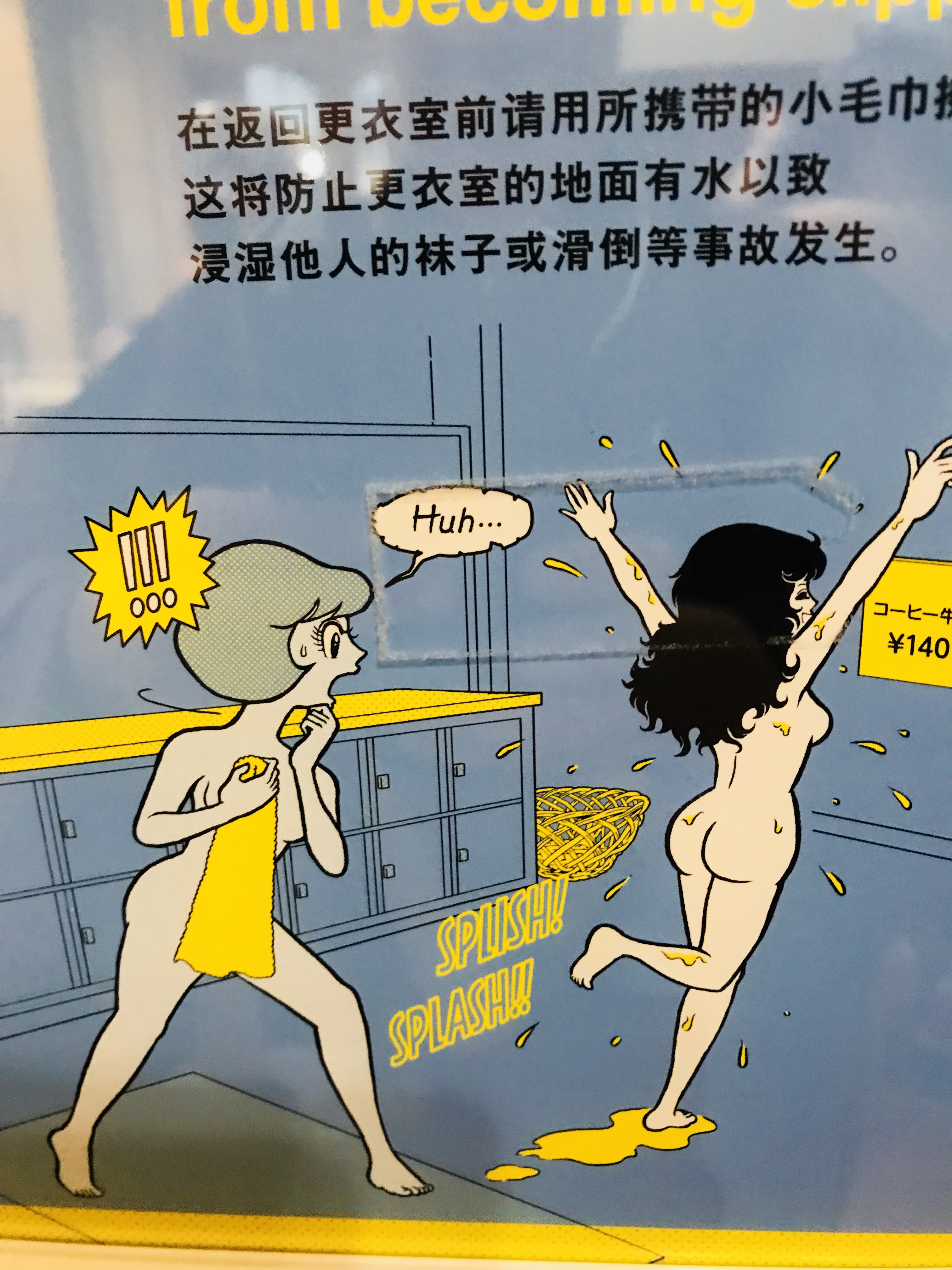
(What the HELL is this pair doing?)
2.The People are Super Friendly
Aussies like to think they are the friendliest folk on the planet. Sure, we’ll have a natter, but would you recommend a restaurant to a complete stranger AND pop down before they arrived and buy their first round of drinks? I think not. This happened to me in Osaka. And every time I even paused on the streets to catch my breath, a stranger would rush up to me, to ensure I wasn’t lost.
3.It’s Amazingly Affordable
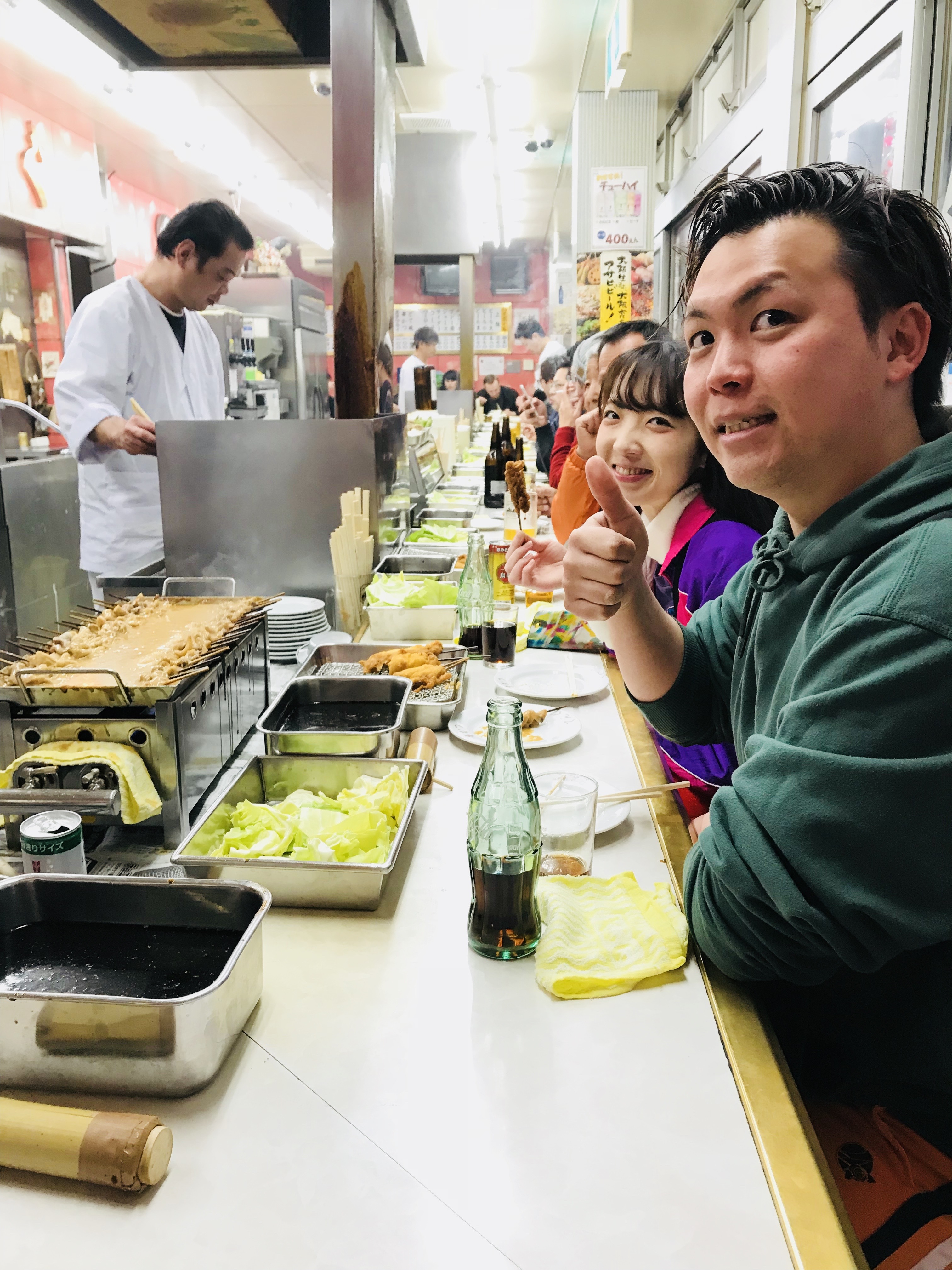
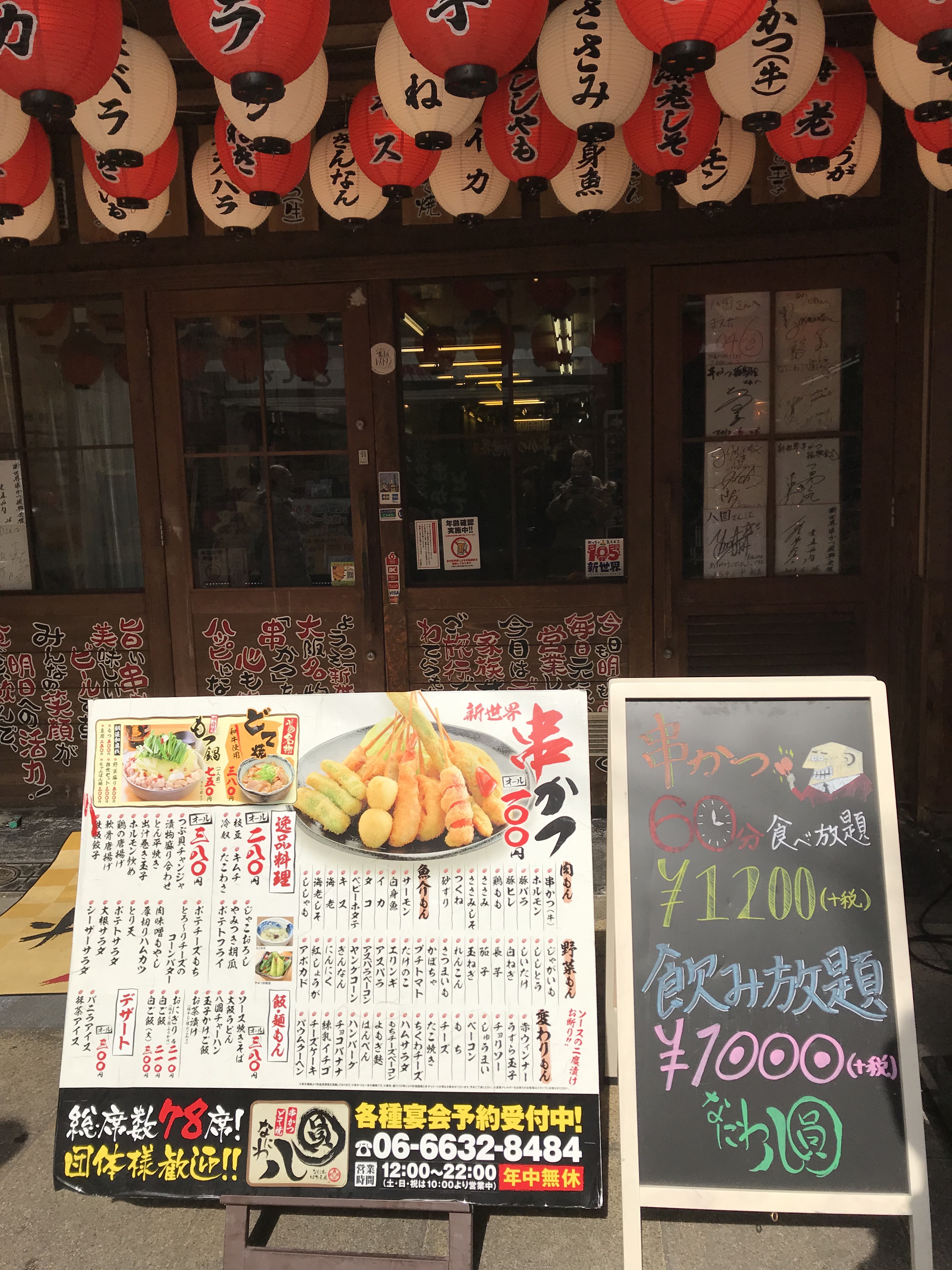
Forget all of those horror stories you hear about $100 watermelons in Japan, you can eat like an emperor (and drink) for around $30. In fact, there’s plenty of authentic, funky food places which serve delicious dishes for around $3.80 a pop. Public transport is also cheap, easy and efficient to use. In fact, aside from hotels (and I’ve heard there’s some reasonable capsule rooms around), pretty much everything is cheaper than in Australia.
4.The Vending Machines are, um, interesting
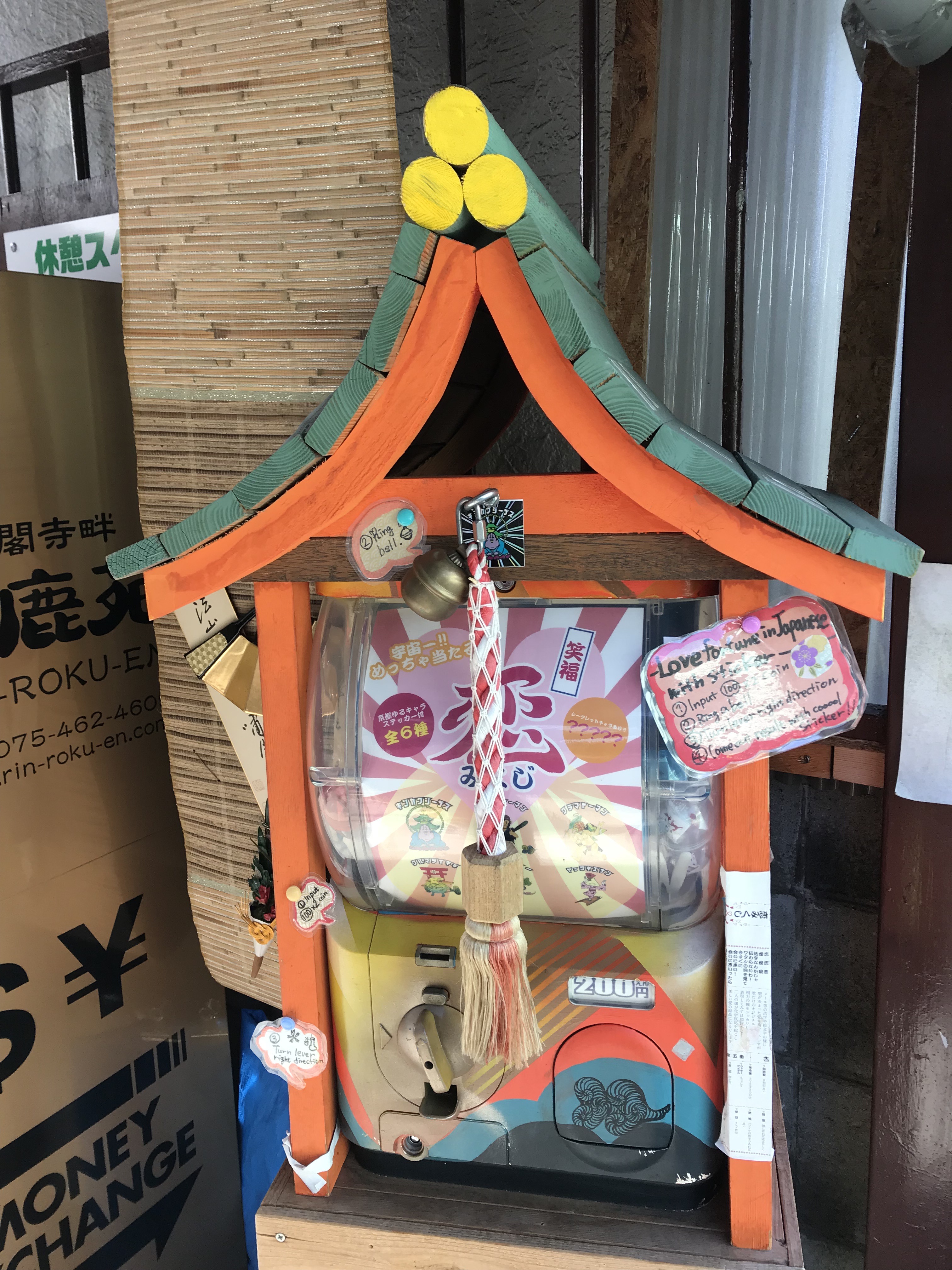
We’ve all heard the colourful stories of Japanese vending machines containing illicit material such as women’s used underwear, but I am reliably informed only one such machine is still in existence, in Tokyo. (Which is a great shame, as I had a whole suitcase of dirty washing by the end of the trip). I did, however, manage to secure a pair of fresh, saucy white g.strings from one in Osaka, and a predication for my love life in another one in Kyoto. What you will find is a nation which relies heavily on vending machine food. Apparently, there are so many vending machines in Japan, there’s one for every 30 people. Rather than go to the corner store, Japanese people love their vending machines from which you can buy anything from hot corn soup to half-decent coffee.
5.Even the Monks Drink
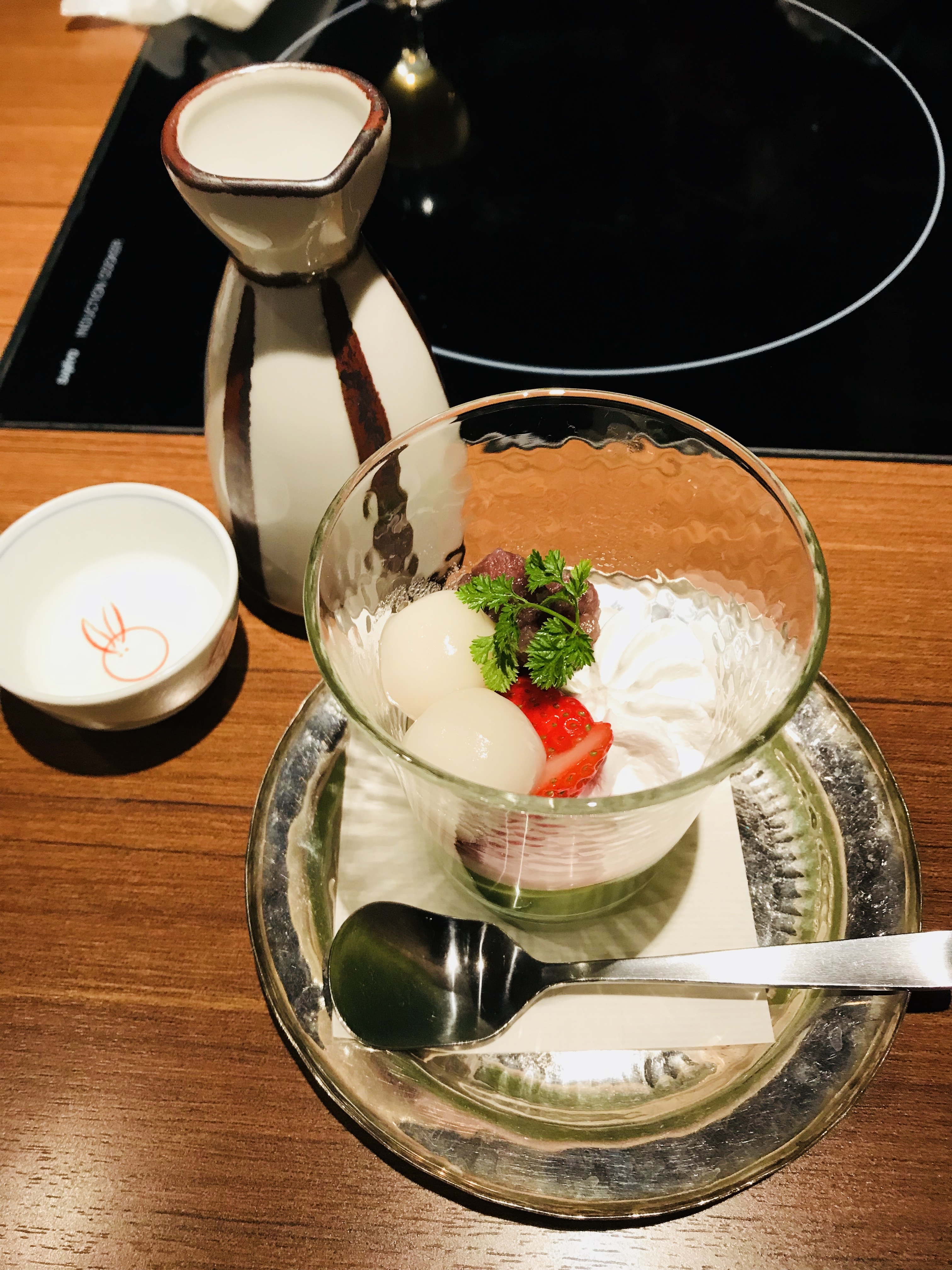
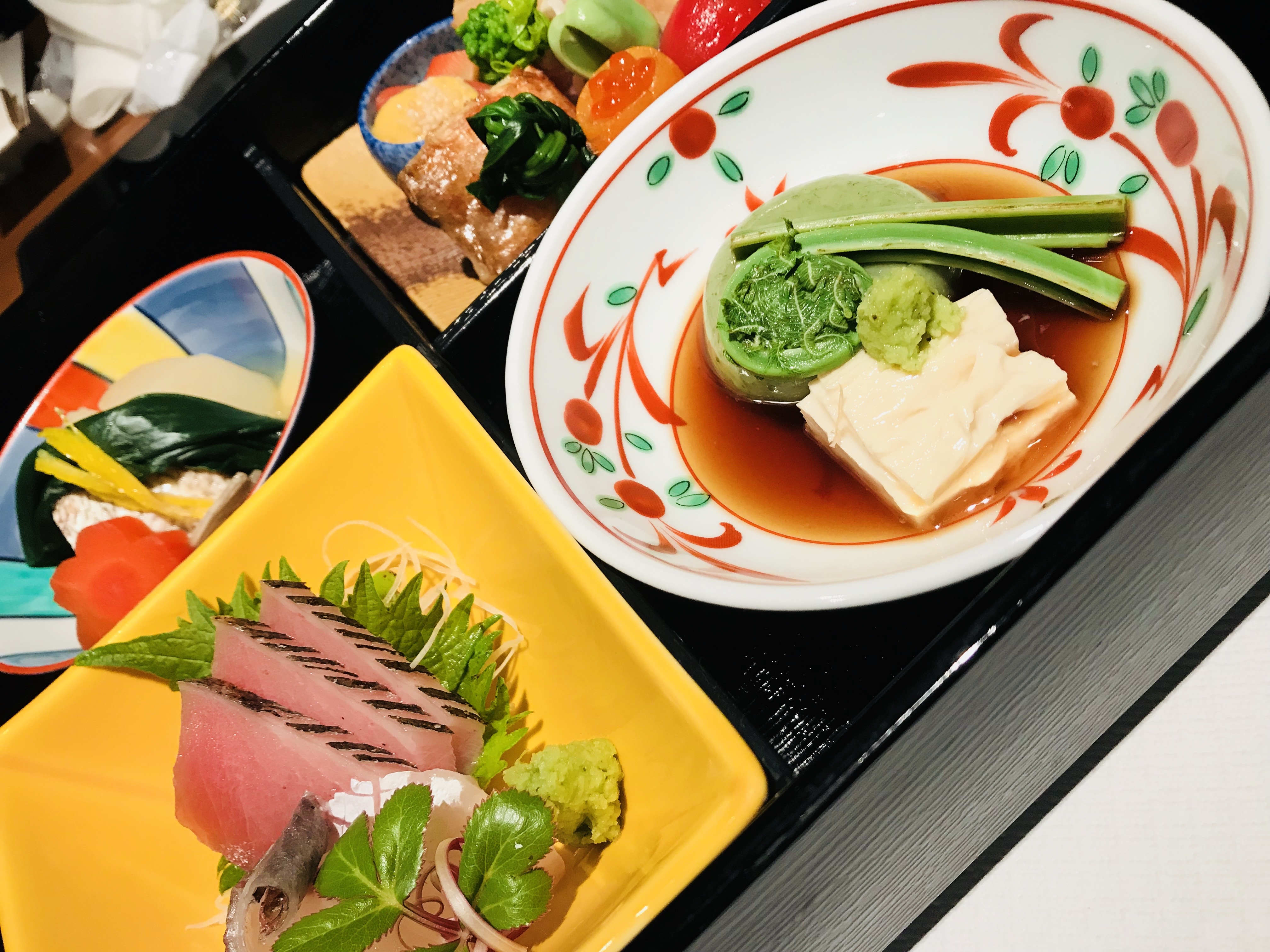
You’ve got to love a culture where even men of the cloth like a tipple. You’ll find this in places like Mt Koya, south of Osaka, and home to Zen Buddhism. It seems they’ve found a loophole. Sake is not just sake but “wisdom water” and beer is “bubbled wisdom water”. While the “food for enlightenment” was surprisingly delicious, I won’t be eating 7 different kinds of tofu for dinner again, in this lifetime, or several of the next.
6.You can be a Ninja Warrior or a Geisha Girl for a Day
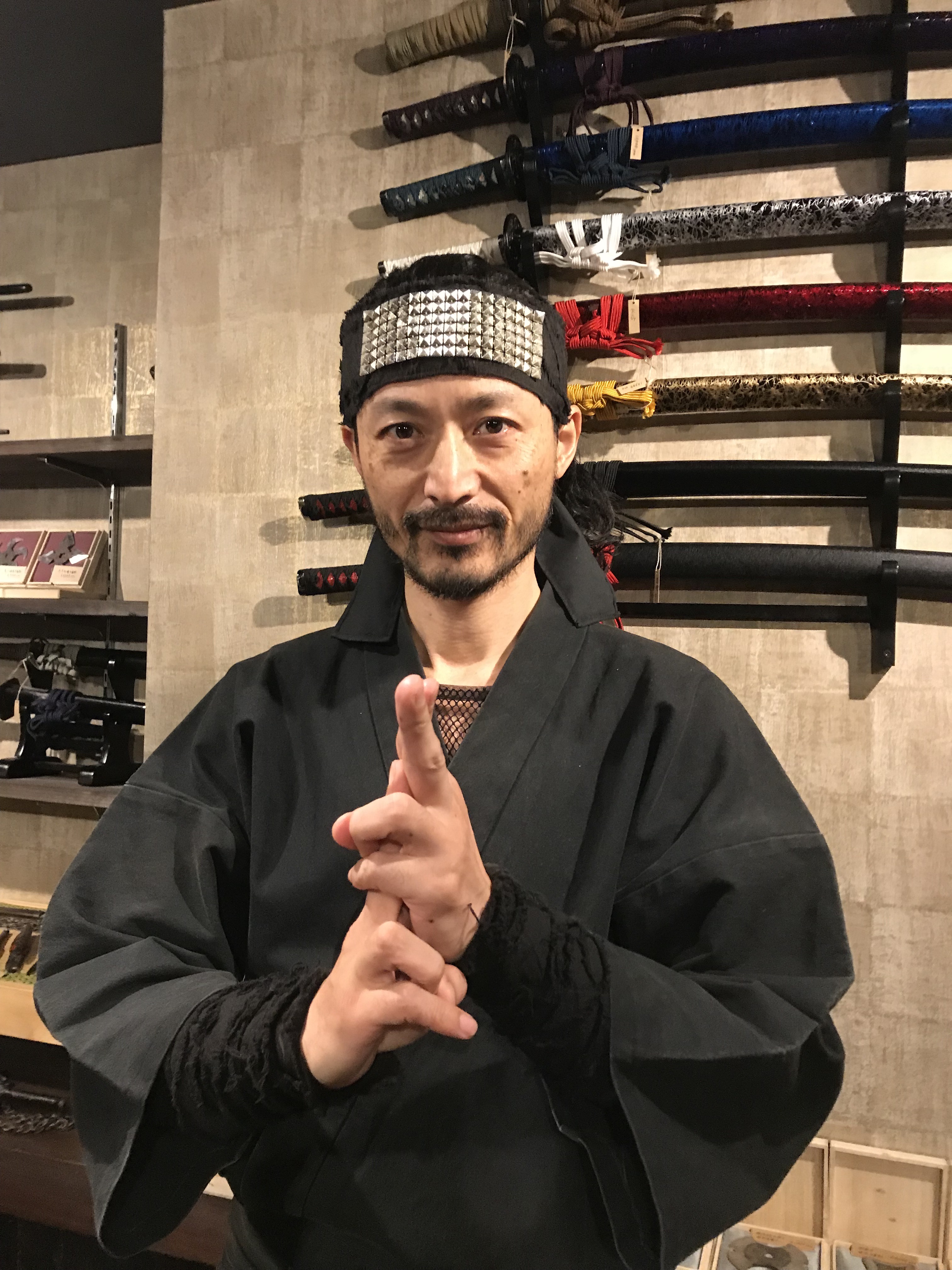
You can be pretty much whoever you want to be in Japan, and no one bats an eyelid (except a prudish Aussie girl in an onsen). During this trip, I partook in an eye-opening, one-hour class during which I was taught how to be a Ninja Warrior. Here, you dress the part, learn all the secret hiding spots and sneaky walking techniques, and even get to throw some fair-dinkum real Ninja stars. Another interesting activity allows visitors to undergo a full Geisha Girl makeover and even walk the streets, just to confuse fellow tourists.
7.The Food is Fabulous
Food, glorious food. The sashimi is sensational but there’s so much more to Japanese food. Did you know tempura was actually introduced by the Portuguese, as was meat? Eat some Kobe beef and you’ll think you’ve died and gone to heaven. Speaking of dying, I even tried the famed Fugu fish, which was slightly disappointing. If you are going to die over your dinner, at least let it be for something more delicious. But maybe the thrill lays in the threat of eating this poisonous fish dish?
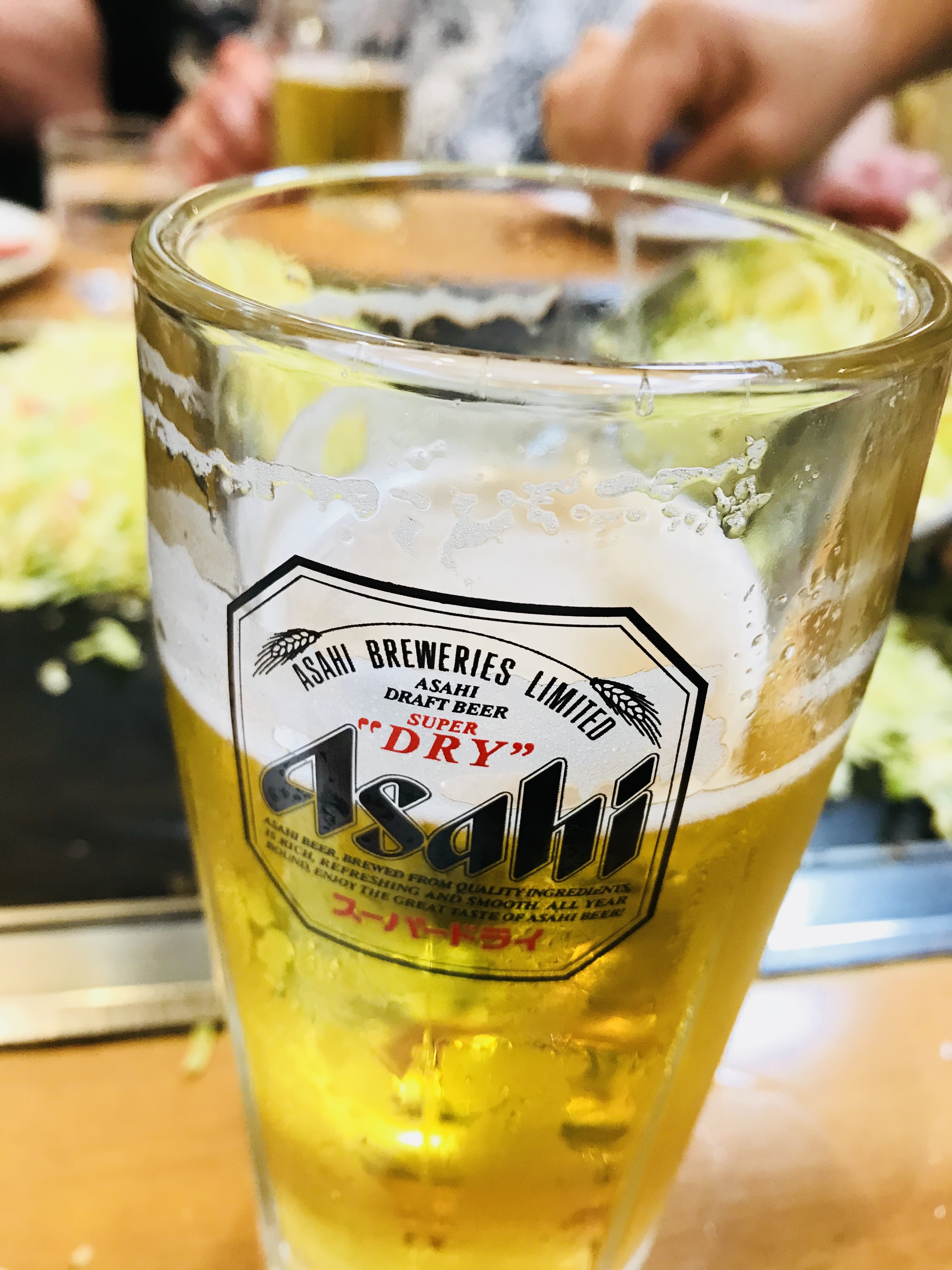
8.The Beer is Better
I’d heard a rumour that much like Guinness in Ireland, Asahi in Japan tastes so much better in its home country. And in the name of research for this story, and because I am a true professional dedicated to my craft (beer), I decided to test this theory. Many times. Turns out it’s true. What’s even more interesting is the growth in craft breweries here. Check these out in Osaka at a great little bar called Beer Belly. Which is precisely what I had when I arrived back home (plus that suitcase full of dirty washing).
9.The Temples are Terrific
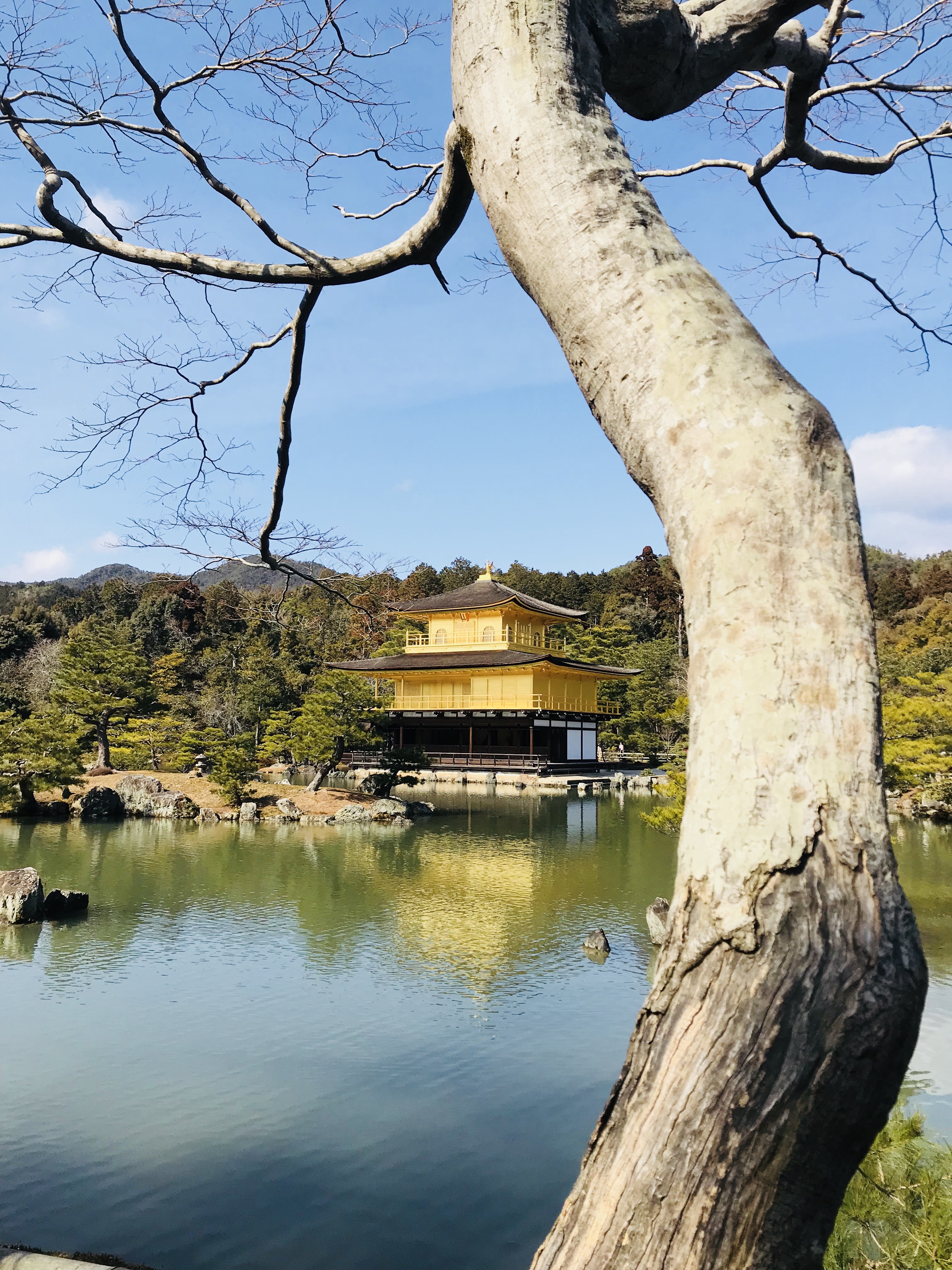
So many temples, so little time. While I thoroughly enjoyed my time at Hell Temple, discovering if I was to meet my angels or the devil himself, head to Kyoto’s Golden Temple for some truly Instagram-able moments. Up on Mt Koya, an unlikely and delightful way to spend the afternoon, is wandering through the cemetery which is home to thousands of temples, even more spectacular when dusted in snow. Yes, you’ll dig this gigantic grave yard. (See what I did there…)
The Global Goddess travelled as a guest of Inside Japan Tours https://www.insidejapantours.com whose specialist English-speaking guides will show you the real Japan, armed with insider knowledge and experience tailored to your interests. Qantas has several direct flights between Australia and Osaka including from Sydney and the newly-introduced Melbourne route. Fly Business Class, and you can also experience their new light-weight crockery range, which translate to more than 500,000kgs of fuel savings each year. http://www.qantas.com
A Yen for Japanese Men
MY toilet is called Toto and so, too, is the name of my potential paramour. From my heated throne, I ponder whether Toto, the man, would also be prepared to warm my bottom before blasting it with a jet of water. I suspect one final, perky puff of deodorising spray, just like my toilet serves up, is a step too far in any relationship. I am in Osaka, surfing both the porcelain bowl and Japanese Tinder, in a bid to better understand this mysterious culture and potentially meet a mate. It is my first foray into the Land of the Rising Sun and I am intrigued by everything, from the views, to the loo, to the deadly fugu.
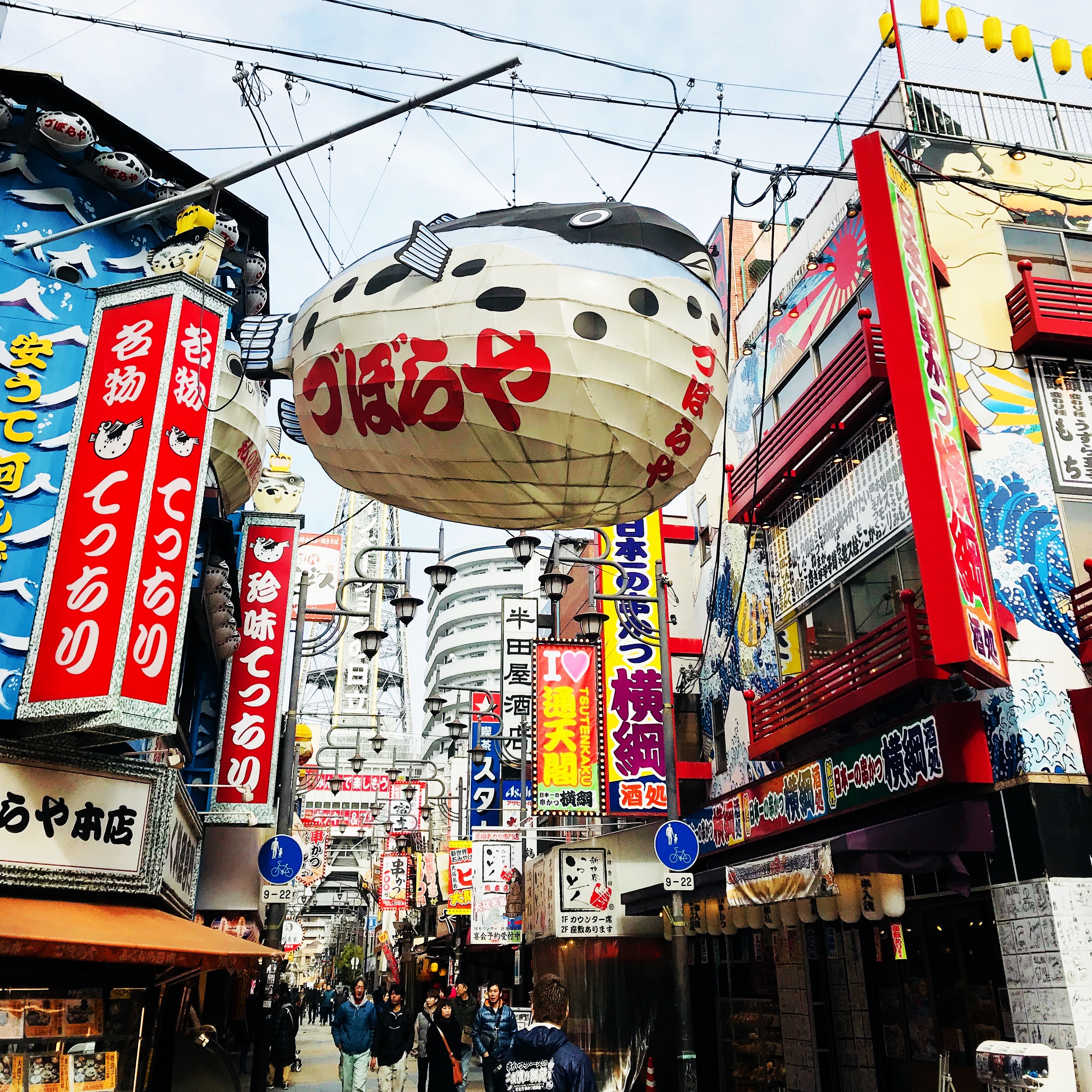
I discover a delicious dichotomy of weird and whacky characters, best digested with fabulous fishy dishes and chased down by ice-cold Asahi beer. The rumours are true, Japan’s famous brew does taste better up here. And, it appears, so too do Australian women, if my popularity on Osaka Tinder is any indication. Look, I don’t want to brag, but I’m receiving more Super Likes than Super Woman. Toto aside, Nori, 48, whose name reminds me of a delicious Japanese roll, is only 13km away from my hotel, but can speak no English. My Japanese is limited to a hearty “Hai!”, a phrase you’ll hear often in this colourful country, but, like a circle, has no real beginning or end. There appears to be a bounty of blokes, but it comes with a catch. For while this is a quirky culture on one hand, it is also deeply conservative on the other.
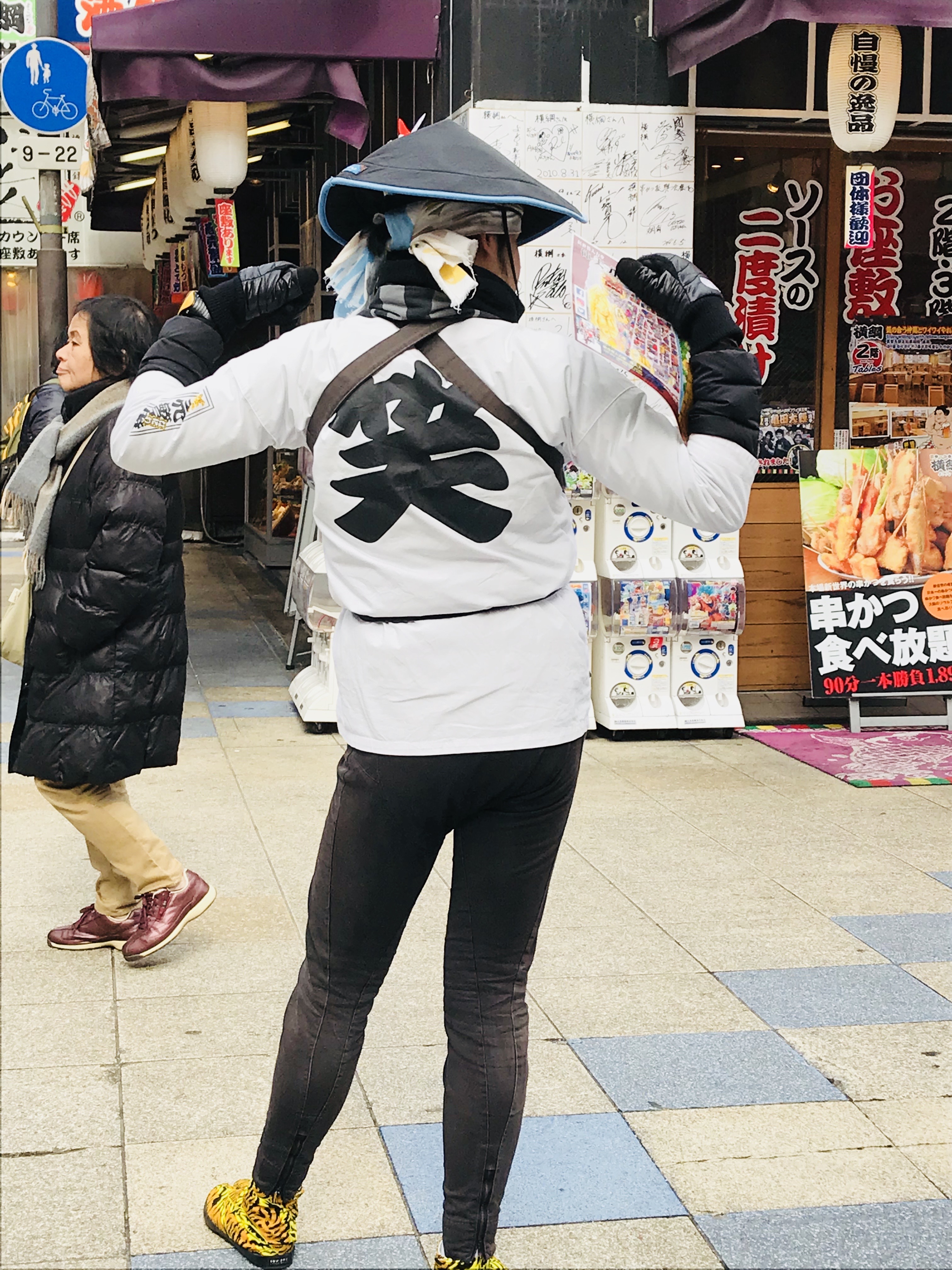
My Inside Japan tour guide Richard, a boisterous Brit and Zen Buddhism devotee, tells me if I were to marry a Japanese man, I would be compelled to take his surname. If I were to have children, and return to the workplace, I would be demoted to secretarial work. And at work drinks, as a woman, I would be expected to pour everyone’s beer before someone acknowledged my “lowly status” and finally served me. A thirsty girl, I am horrified at the prospect. But there is also much to love about Japan.
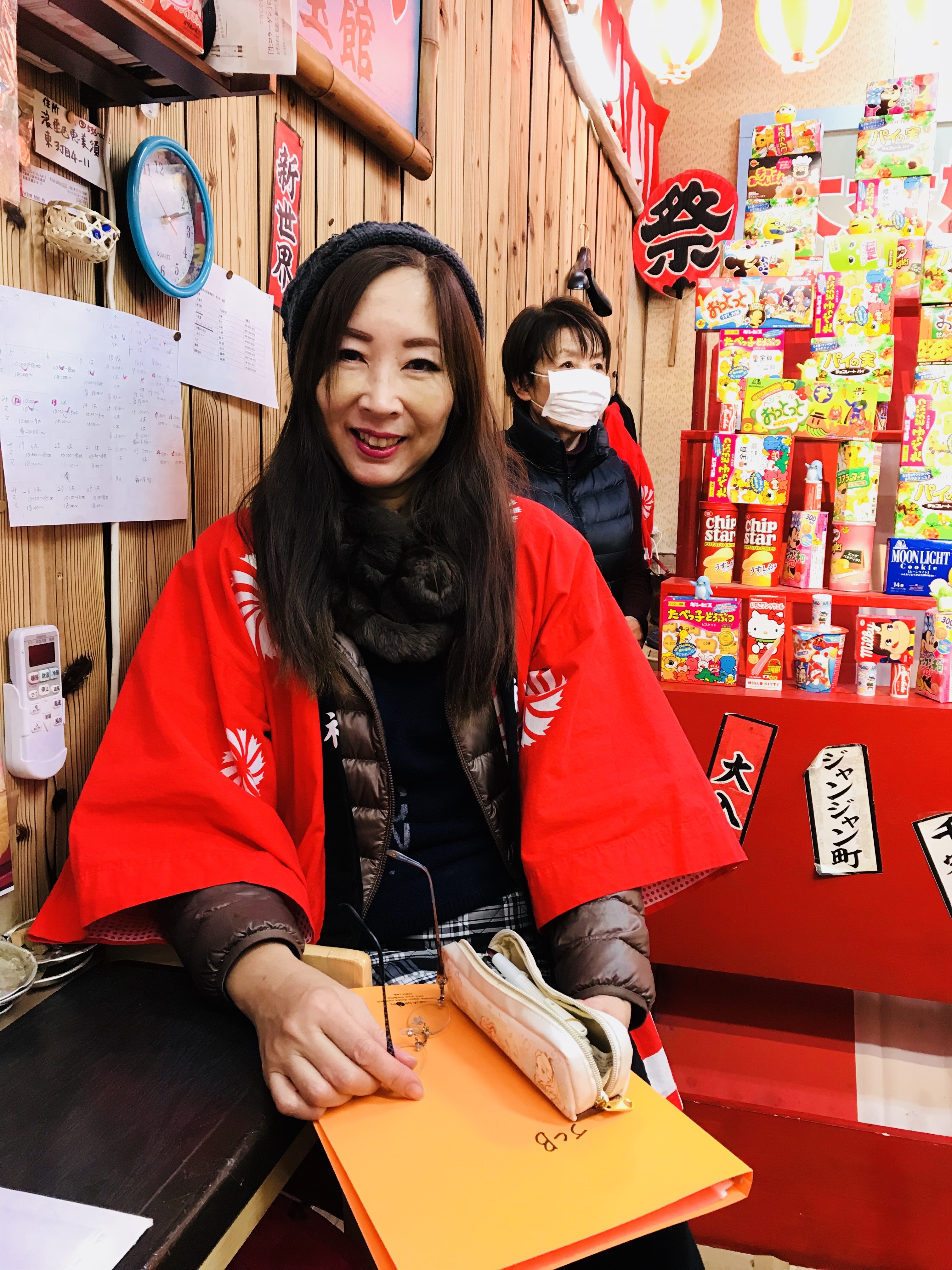
I am sitting with Richard and two colleagues in Osaka’s Temma area, home to tiny standing bars and intimate yakitori restaurants, discussing Japanese life. (Richard’s also even poured my beer first). Want an example of Japanese hospitality? Not only is my party of four dining in Yakitori Mame, which has been recommended to Richard early in the day by a man known only as Uryu-San, when it comes to our first drinks, this mystery man has already paid for them. Richard says this is typical of the people of Osaka.
“This is the kind of thing that happens in Japan. I’ve heard stories of customers on tours, who, when they have had some free time, may have become lost. They are accosted by a local who tells them it’s too far to walk, and has not only hailed a cab for them, but jumped in and taken them to the destination, and paid for the taxi ride,” he says.
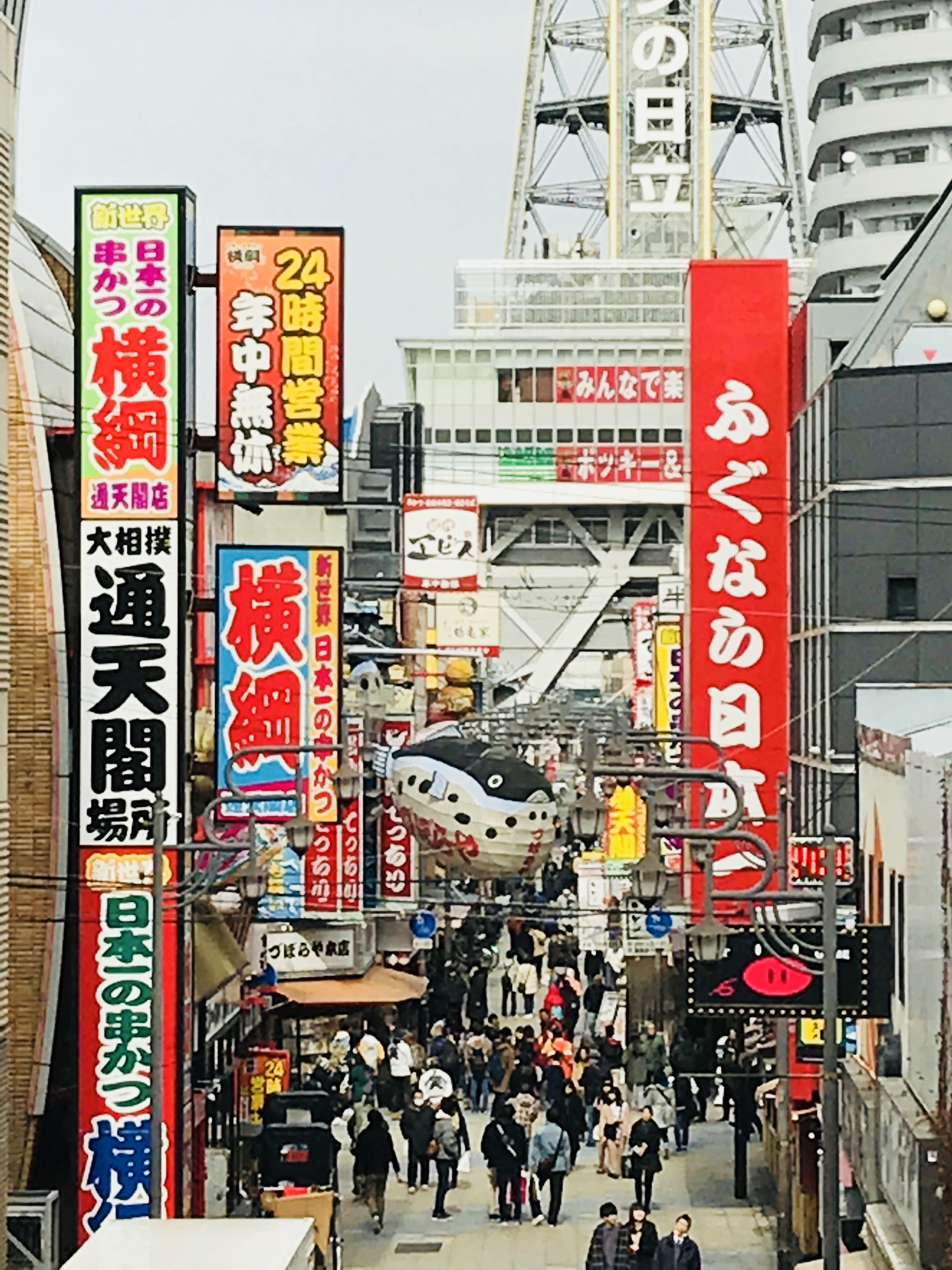
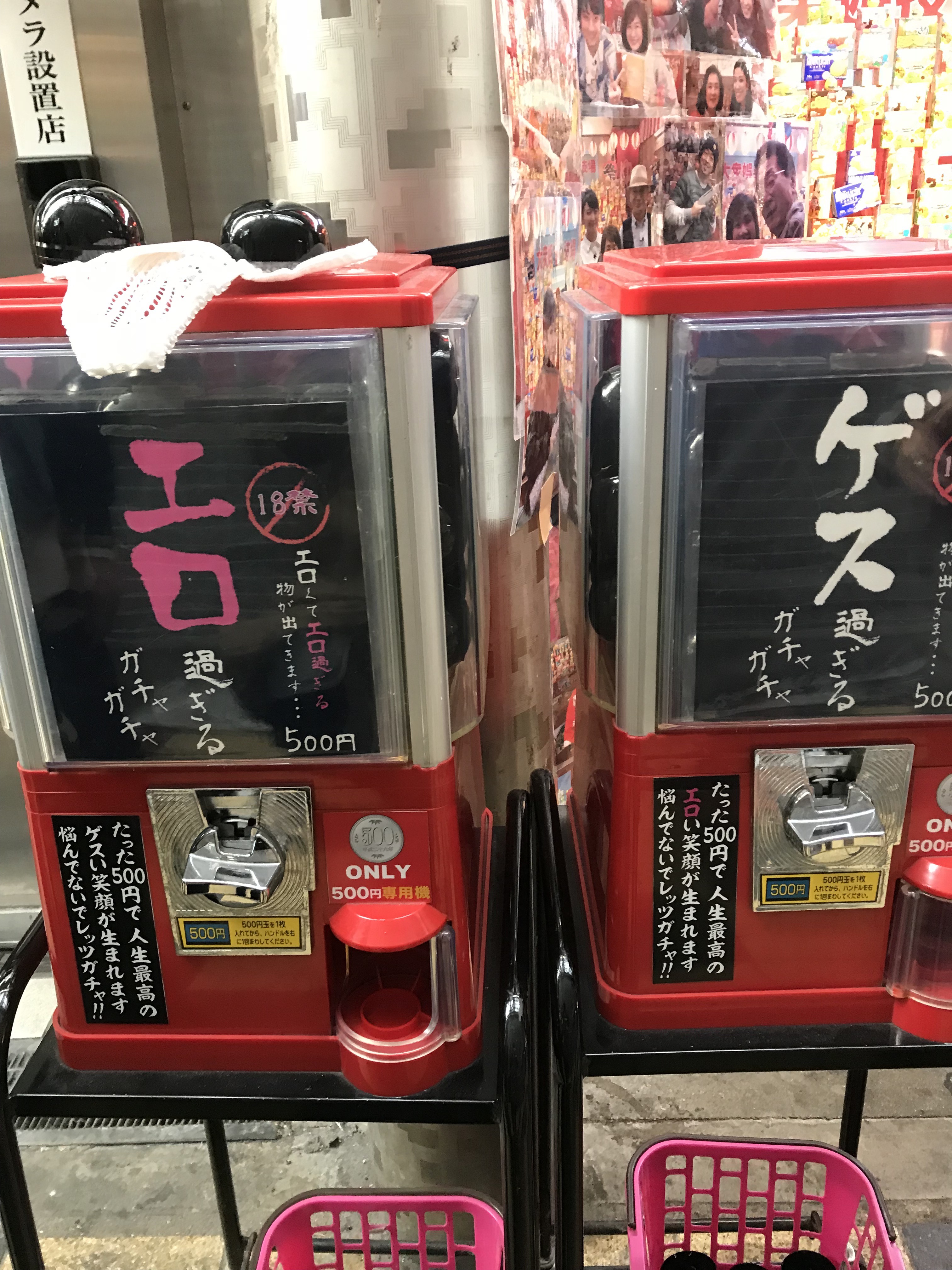
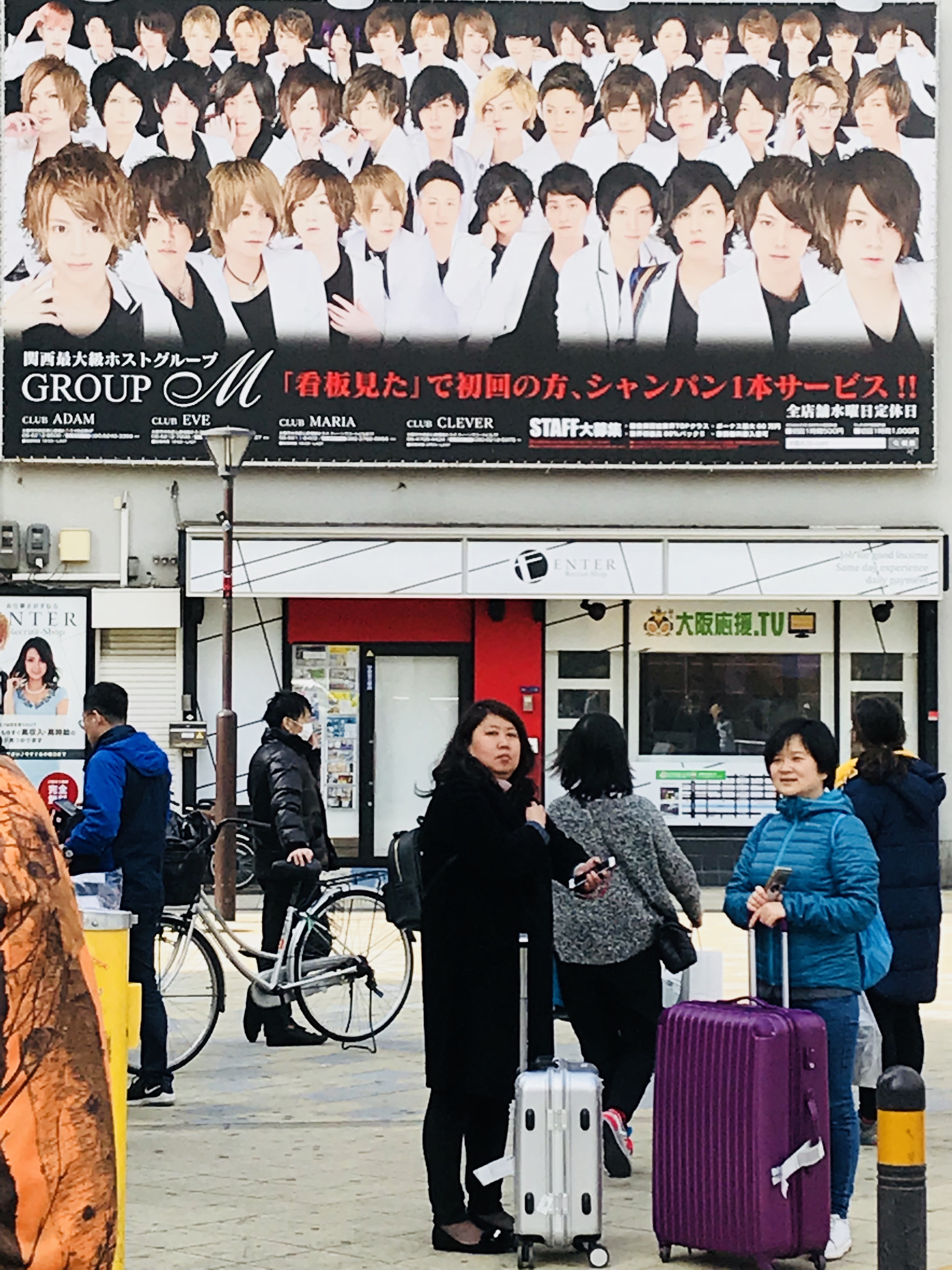
To really understand Osaka, head to the edgy district of Shinsekai which means “new world” in Japanese. Frequented by locals who say it’s modelled on Paris and New York’s Coney Island, the area was destroyed during World War Two, but has been rebuilt. It’s a stone’s throw from Japan’s tallest skyscraper and home to a number of fascinating standing bars. You’ll even find Osaka’s mascot Billiken here, who is hailed as “The God of things as they ought to be”. It is here that I delve into my first Japanese vending machine, and this one specialises in “erotica”. I insert my $5 and am rewarded with a pair of saucy white g-strings which I shove into my winter coat, and mistake for a tissue for the rest of the day. Things are off to a sensual start.
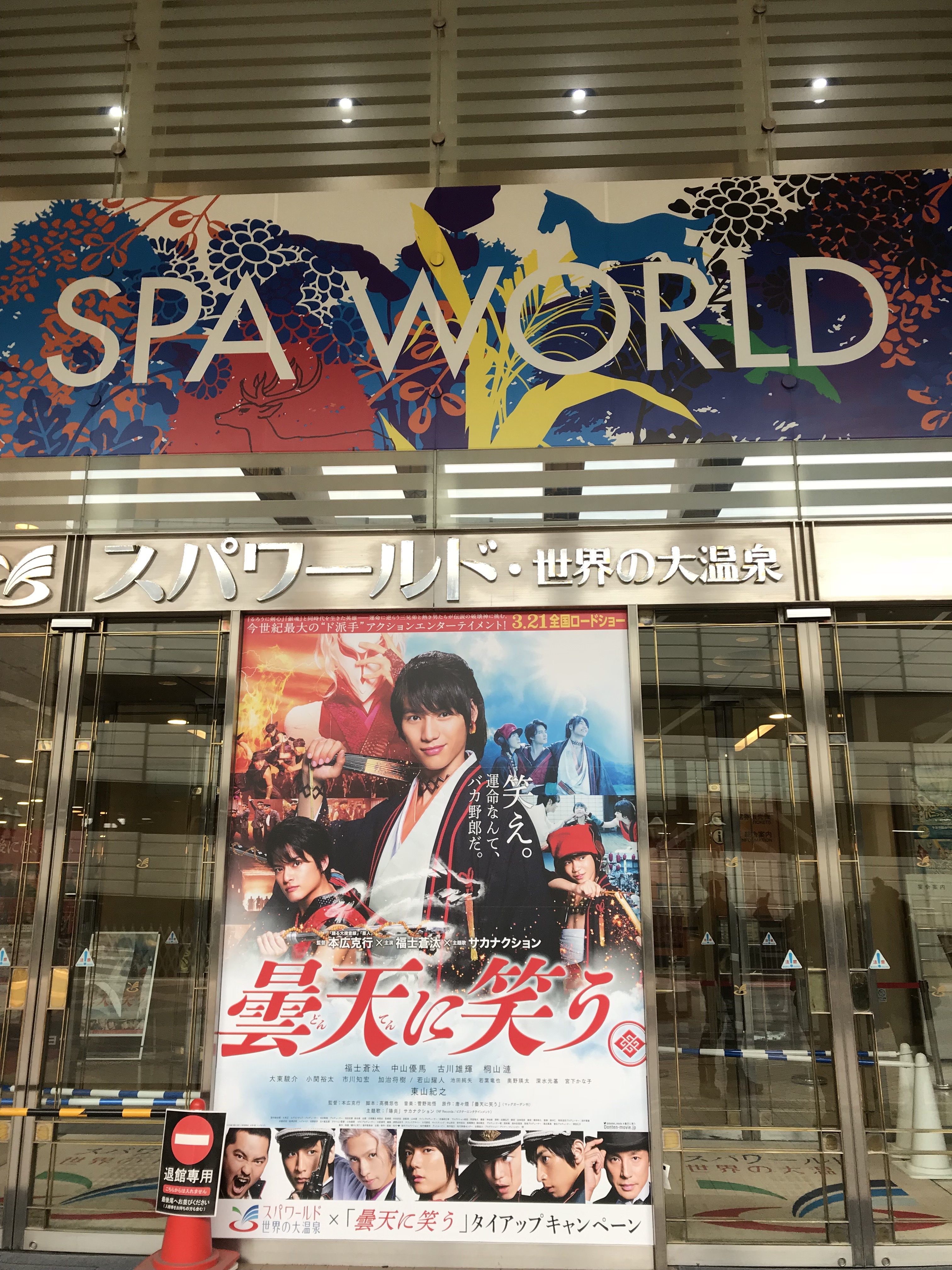
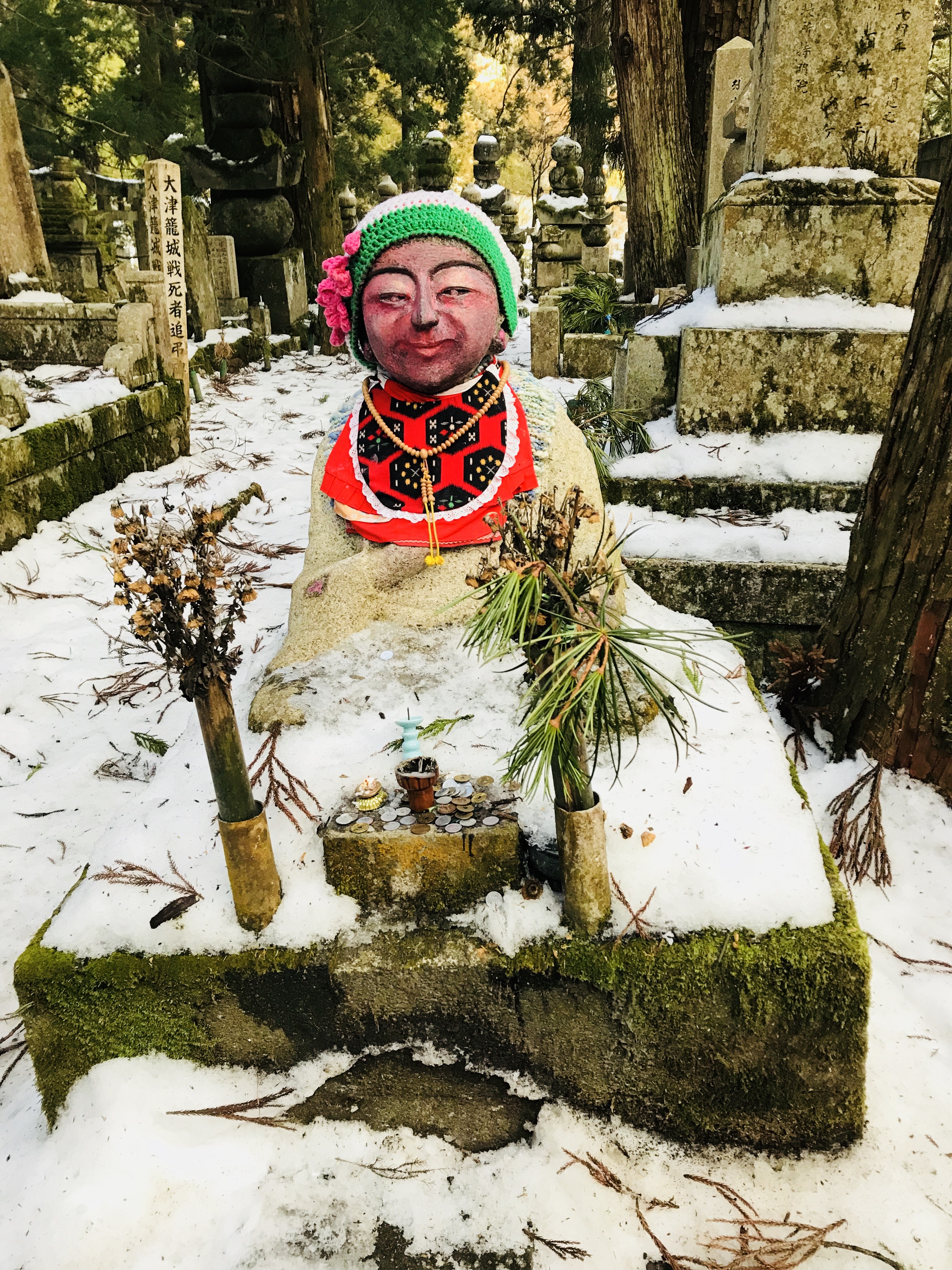
We amble a mesmerising maze of streets, pausing to pay homage to Jizo, a roadside deity which protects expectant mothers and travellers, before we arrive at Hell Temple. I stick my head in a hole where I’m told I can hear the sounds of hell. Disappointed, I detect nothing. I undertake an electronic survey to determine whether I am going to heaven or hell. I scrape into heaven. Just. There is hope for me yet. Later in the trip I return with my Aussie colleagues to Shinsekai and to Spa World which turns out to be my idea of hell. Picture wall-to-wall naked Japanese women, for whom a trip to the waxer has never occurred, and three prudish Aussie girls, clutching on to their towels, the size of a face washer. What I’ve seen, cannot be unseen. And I will be establishing a waxing clinic in Japan in the near future.
We push on to Kyoto, where I dive into my second Japanese vending machine experience. This one predicts “love fortunes”. I reach into the bowels of the beast and extract my fortune. My guide, Aya, translates my future. Apparently I am “unlucky in love” (I did not need to part with $2 to discover this); I need to “change my attitude” to love; and best of all, I need to find someone who is either 120 years older or 120 years younger than me. Not only that, I need to cook them a barbecue…inside my house. Love just got a whole lot more difficult and dangerous.
Aya, 42, confirms what I already know.
“It is hard to find a good western man. Japanese men look after their women and if they get sick, they look after them,” she says.
“But that is changing. Japanese men are getting worse and that’s the western influence. But Japanese men are not as good looking as western men, because they are short.”
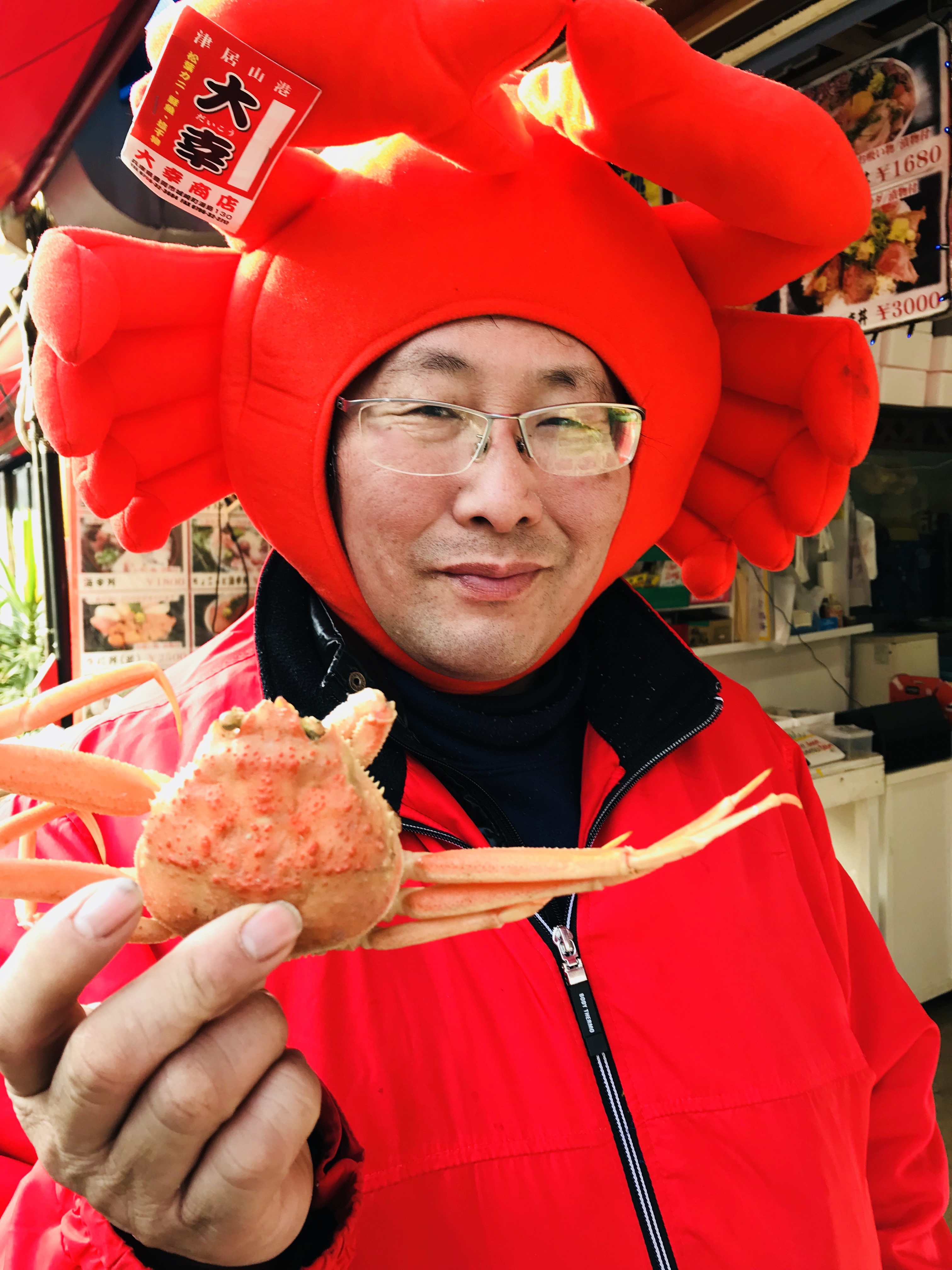
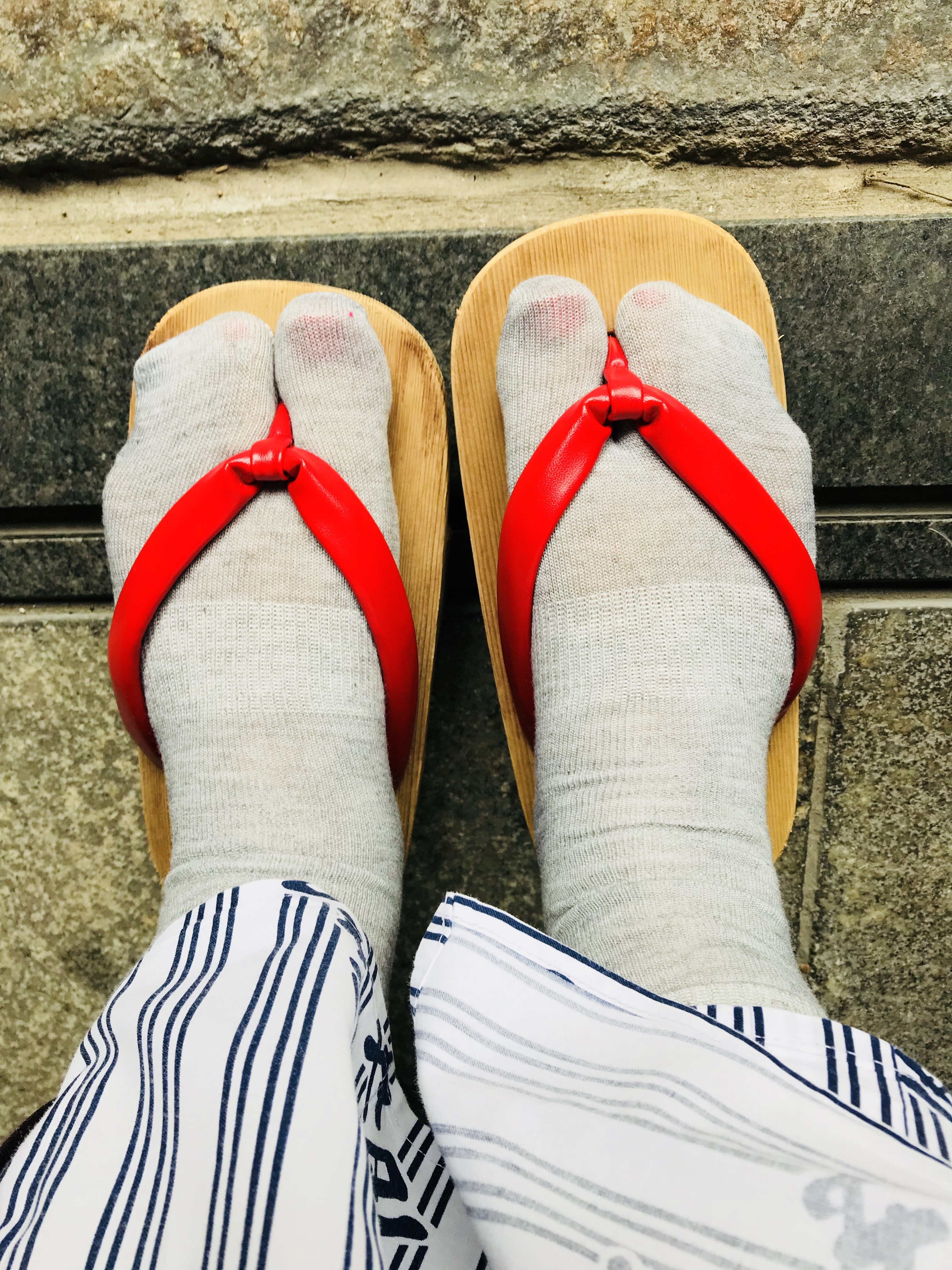
Our jaunty Japanese journey continues, on to the traditional Japanese spa town of Kinosaki Onsen. Here, there’s seven different types of onsen, whose waters are believed to contain different healing properties. I head straight to Goshono-Yu, which is said to bring good luck in finding a marriage partner and preventing fires. If I am to believe my $2 vending machine reading back in Kyoto, I will need all the luck there is in finding a partner with a 120-year age difference, plus some fire prevention when I cook him that barbecue inside my house. I’m convinced these waters are working.
The last destination of my trip is up at Mt Koya, considered the most significant site in Japan for Shingon Buddhism. Even more fascinating, it’s home to 1000 monks, who no longer believe in celibacy and even like a drink. They call sake “wisdom water” and beer “bubbled wisdom water” up here and from the way I imbibe, I’m a wise woman indeed. Interestingly, women were not allowed on the mountain until the 20th century, which I believe makes me a hot commodity on this minus two degree day. Late at night, I lay on my basic mattress in my temple lodging and surf Temple Tinder. But the pickings are slim. Where are all the manly monks? The next morning, I join the monks in their 6am prayer service. There’s a deity in the temple devoted to love. I make a silent offering (desperate plea) and head back down the mountain. I’m heading home to stoke up the barbecue and wait for my 120-year-old mate.
The Global Goddess travelled as a guest of Inside Japan Tours, https://www.insidejapantours.com whose specialist English-speaking guides will show you the real Japan, armed with insider knowledge and experience tailored to your interests.
Qantas has several direct flights between Australia and Osaka including from Sydney and the newly-introduced Melbourne route. Fly Business Class, and you can also experience their new light-weight crockery range, which translates to more than 500,000kgs of fuel savings each year. http://www.qantas.com
5 Divine Reasons to visit Bali right now
ALLOW me to let you in on a little secret. I love Bali and return every year to unfurl more of her magic and mystery and to soak up her dominant feminine energy. The fact she’s been in the news lately for her smouldering volcano, draws me even more to this Land of the Gods. What is it that she’s trying to tell us? So I’ve teamed up with Expedia.com.au to bring you 5 Divine Reasons you should visit this beautiful destination.
1. There’s some great deals on airfares
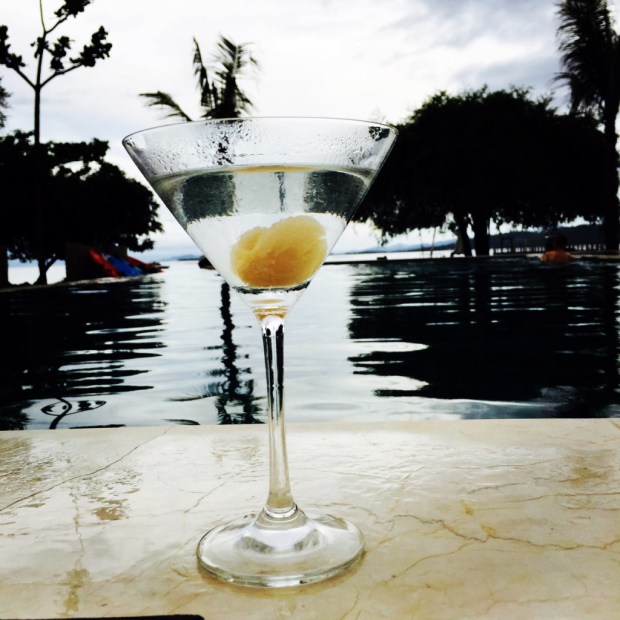
This airline aficionado surfs international airfares like stock brokers watch the currency markets. And there’s some great deals on offer right now. Just think, you can leave Australia in the morning and be up in Bali in time for cocktail hour. Lychee martini anyone?
2. The beds are going for a bargain
So many great hotels, so little time. You could travel to Bali forever and still not experience all of the amazing accommodation on offer. I like to mix it up, staying in a cheap and cheerful hotel if I’m simply overnighting on the way to somewhere like the Gili Islands, just off of Bali. I love the name of The Happy Mango Tree Hostel in Ubud.
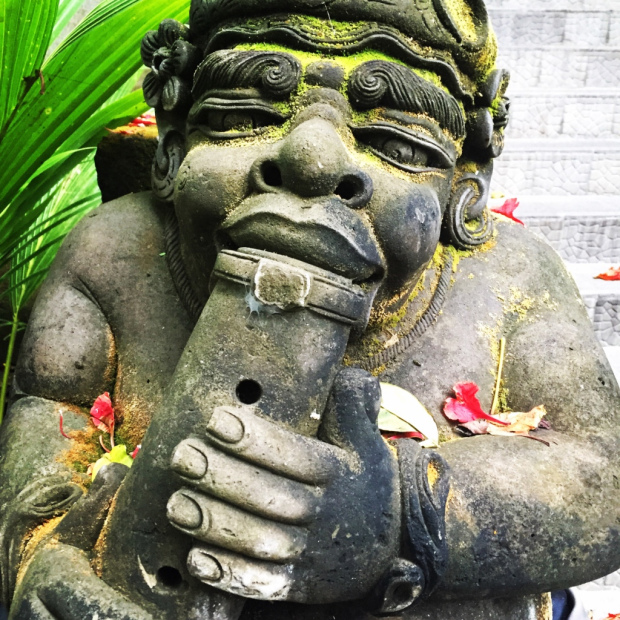
3. The activities are awesome
When in Bali, The Global Goddess likes to divide her days between some action and adventure, and a whole heap of flopping and dropping, preferably by a pool. With a pool bar. And forget trite tourism experiences, there’s some really cool things to do in Bali. Ever had breakfast with the orangutans at Bali Zoo or gone Quad or Buggy Driving? What about a Downhill Cultural Cycling Tour with Lunch? Something I will be trying next time I’m in Bali, is a Pre-Airport Chill Package with Transfers. This package includes an authentic Balinese spa experience, drinks and transfers, which is handy, given many flights out of Bali to Australia are late at night.
4. You can still Eat, Pray and Love
Despite Elizabeth Gilbert’s best-selling novel being out for several years now, there’s still a number of women, like me, wandering the rice paddies of Bali, looking for love and the general meaning to life. Join a private Eat, Pray, Love tour with lunch, which will take you to Ubud and yes, you will get to meet a Balinese medicine man. You just never know your luck.
5. It’s peaceful
Come February, after the sultry summer rush of school holidays, Christmas and New Years, Mother Bali breathes a sigh of relief. Now is the time to go. Get back in touch with your soul, and set your intentions for 2018, through a private tour: A Spiritual Journey Experience, where you’ll start the morning doing yin yoga at Sebatu Village, undergo a blessing and purification ceremony at a Balinese temple, meditate in a cave, and meet with a Balinese shaman.
The Global Goddess has partnered with Expedia to bring you a little bit of Bali bliss. For more experiences and ideas go to http://www.expedia.com.au
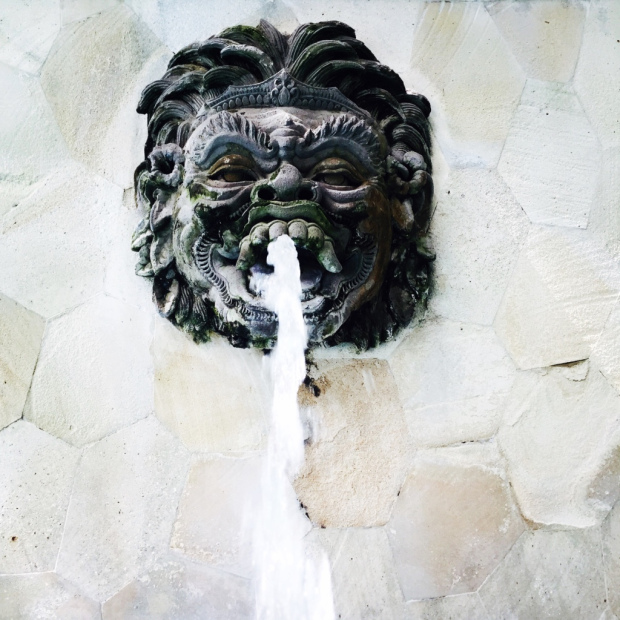
10 Unromantic things to do in the most Romantic place in the World
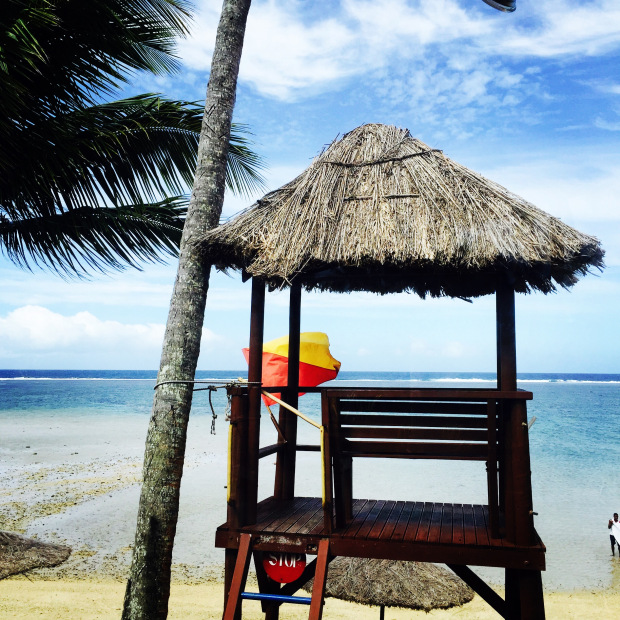
THIS is the headline which screeched across my desk late last week. And naturally, being a lover of romance (and travel), my curiosity was piqued. Turns out the fun folk at Tourism Fiji are using Fiji’s famed sense of humour to entice us to their islands. With Valentine’s Day next week, I thought I’d take a closer look at what they have in mind. And even for single girls, like me, there’s plenty of “unromantic” options to keep you occupied.
1. Feed the sharks
Feeling a little fishy? Personally, I can think of a few Brisbane blokes who I would like to feed TO the sharks, but apparently this is not an option. On this adventure you’ll join Fiji’s “shark whisperer” Brandon Paige of Aqua-Trek on a dream dive with 8 species of sharks. Yes, you’ll see bull sharks, whitetip reef sharks, blacktip reef sharks, nurse sharks, lemon sharks, grey reef sharks, silvertip sharks and 16-foot+ tiger sharks. Plus, there’s more than 300 species of fish out in this marine reserve which aims to conserve the shark population.
http://www.aquatrek.com/beqa_diving/beqa_shark_diving.cfm
2. Zipline Fiji
The Global Goddess is not a huge fan of heights (unless it’s a penthouse suite) but for others far braver than me, there’s nothing better than flying through the air with the greatest of ease. Take an eco-friendly zipline adventure across 14ha of lush rainforest where you’ll soar over rivers and waterfalls. Sleeping Giant Zipline, 35 minutes from Nadi, boasts five zips ranging from 80m to 160m and flying at speeds up to 40km/h. Much more my style, afterwards, you can take a guided walk through the jungle to view the Orchid Falls.
http://www.ziplinefiji.com
3. Soak in the Sabeto Hot Springs
This “unromantic” offering actually sounds quite romantic to me. I mean, smothering yourself with mud? Situated between Nadi and Lautoka, the Sabeto Hot Springs are a series of natural hot springs where you can soak in a therapeutic natural thermal mud spa. Locals believe that the sulphur in the hot springs have healing properties. There’s three pools here, set in lush natural surroundings. They’ve supplied the mud, all I need now is a man to join me.
http://www.aquatoursfiji.com/st_tour/mud-pool-tour/
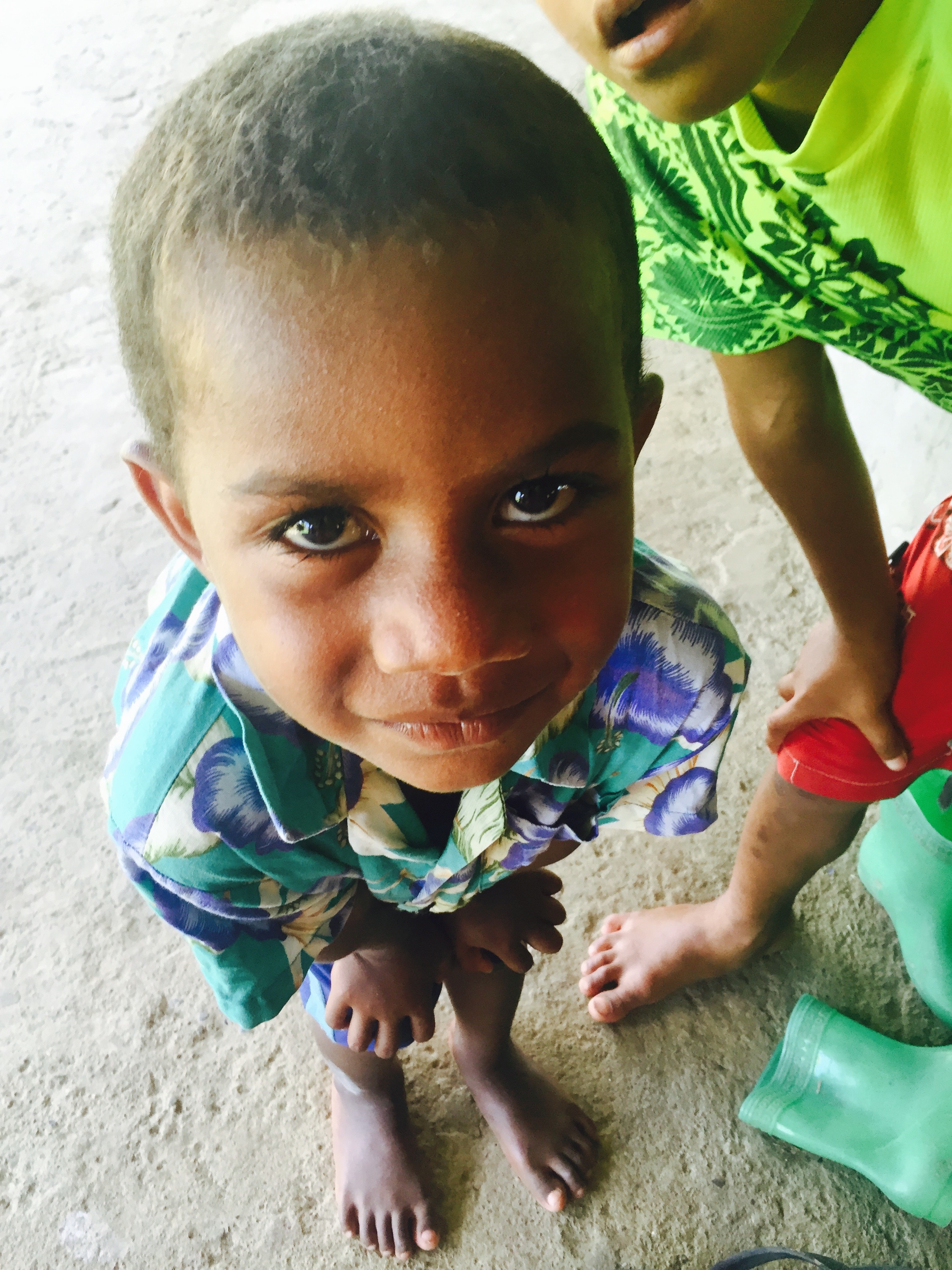
4. Climb Fiji’s highest mountain
Another activity for lovers of heights, you can climb Mt Tomaniivi, Fiji’s highest, trekking through cloud forest to a summit of 1323. Talanoa Treks offers an overnight excursion and on a clear day, you will be rewarded with views across Viti Levu. The bit of this trip I do like the sound of is the afternoon tea and a dip in the river before heading back to the coast. Just plonk me in a helicopter and I’ll see you up there.
http://www.talanoa-treks-fiji.com
5. Potter around The Pottery Village
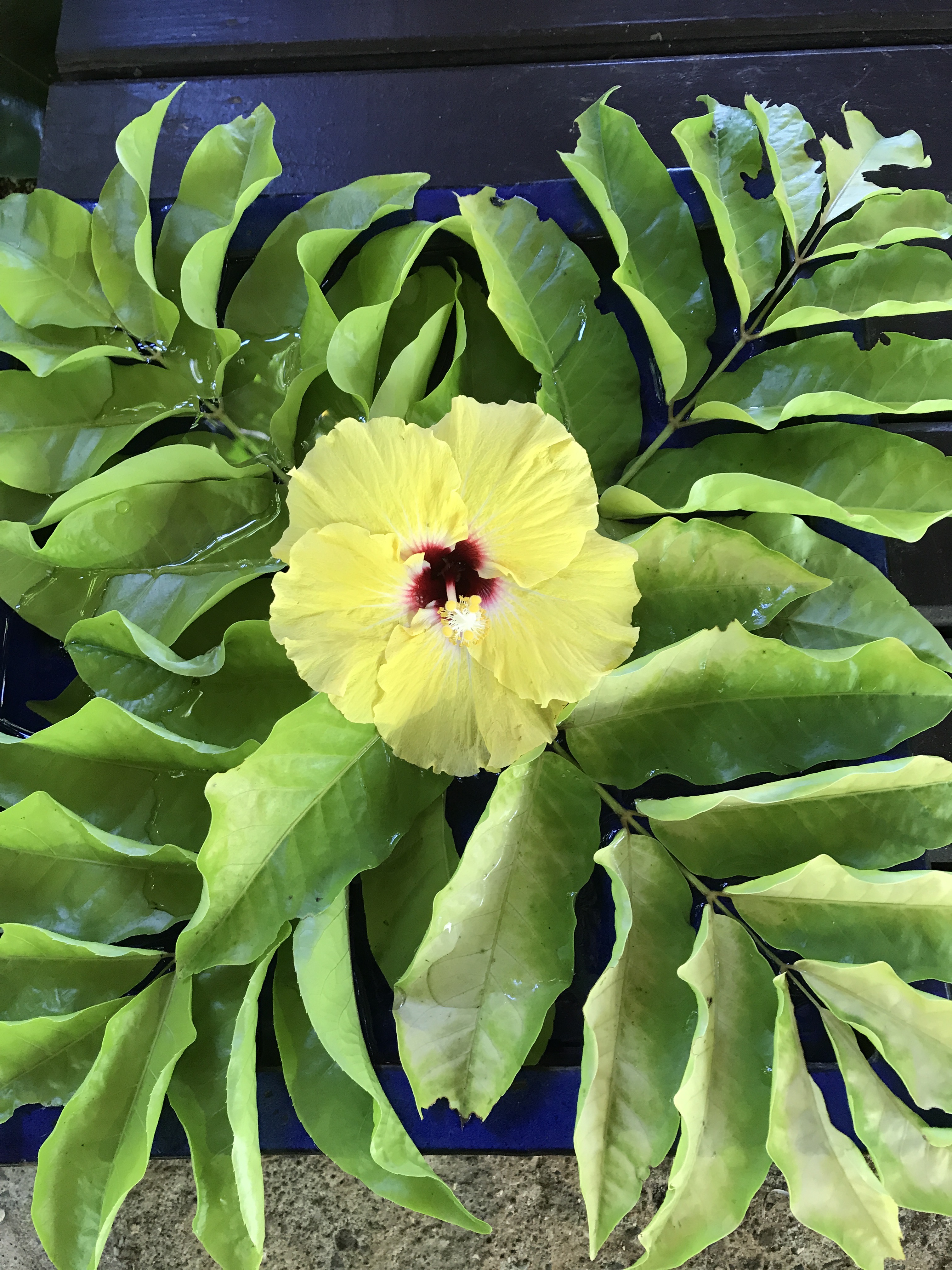
Can arts and craft be considered sexy? Decide this for yourself at Nakabuta Village, one of the villages still making traditional Fijian pottery. Here, you’ll witness traditional pottery-making methods. What is rather romantic is the opportunity to shop and you’ll discover Nakabuta-made bowls, plates and other items in craft shops all over town.
http://www.fiji.travel/us/activity/aqua-tours-fiji-pottery-village
6. Drive your own dune buggy
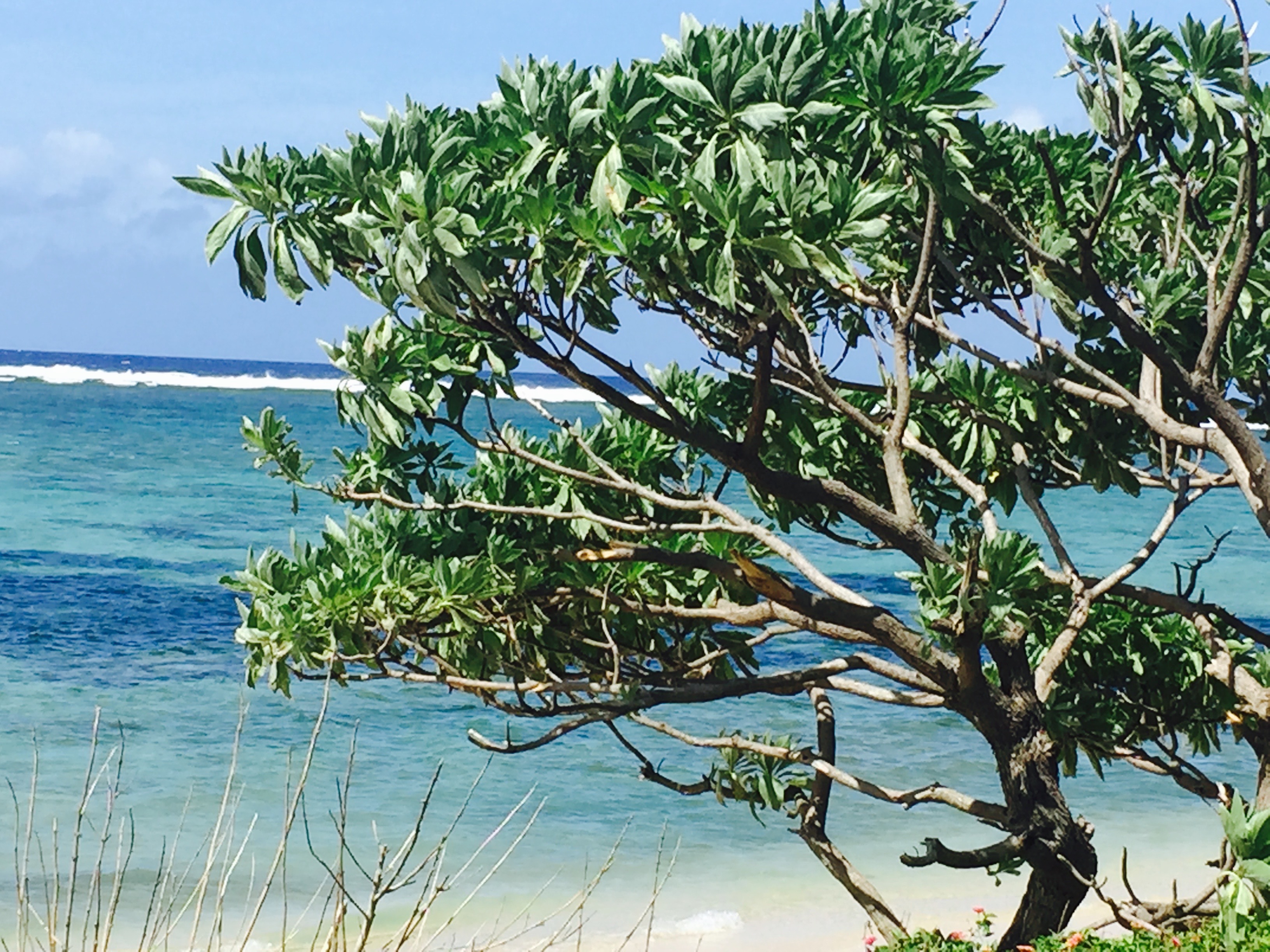
The Global Goddess loves a good driving trip and this one sounds like fun, whether there’s a bloke in the buggy or not. Grab one of Fiji’s only self-drive dune buggies and join a guided tour with Terratrek. On this jaunty journey, you’ll discover Fiji’s most beautiful waterfalls and rainforests or head up into the mountains for panoramic views of the Pacific Ocean.
http://www.terratrektoursfiji.com
7. Explore Fiji’s largest cave
I’ve personally done this tour and loved it. Hop aboard an Off-Road Cave Safari where you’ll delve deep into Fiji’s interior and learn about its cannibalism history. People who eat people, what’s not to admire? My favourite part of this tour was walking through Fiji’s largest cave system, Naihehe Cave, which is more than 170 metres long, and at one point, if you don’t fit under a particularly tight spot, it apparently means you’ll become pregnant.
http://www.offroadfiji.com/safaris
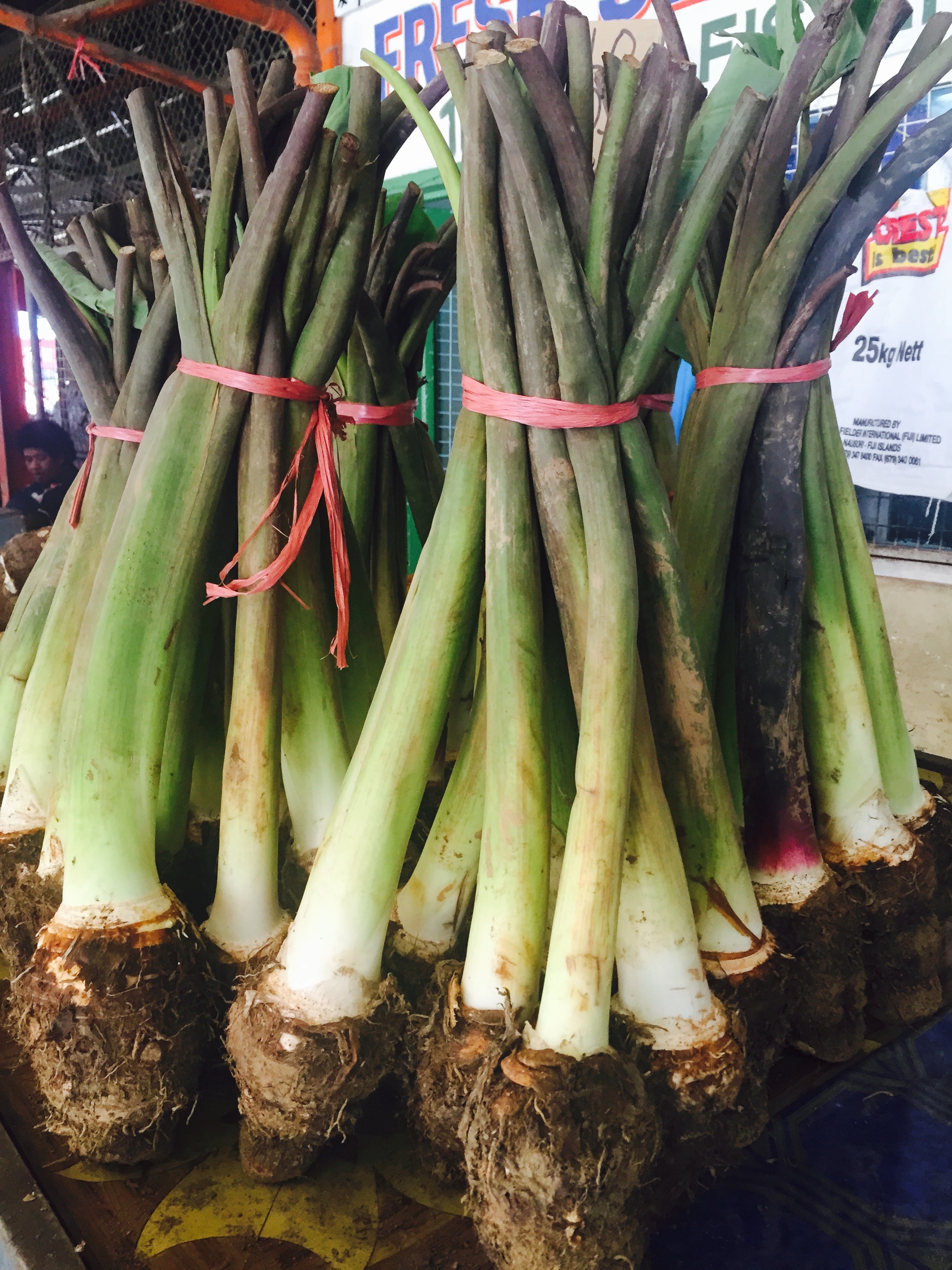
8. Shop like the locals
The Global Goddess isn’t particularly a shopper back in Australia, but plonk me somewhere exotic, and I’ll happily wander for hours. Forage like a Fijian at the Sigatoka Market, which bursts into life in the early hours of the morning. The stunning Sigatoka River Valley is known as “Fiji’s salad bowl” due to its fertile land and you’ll find plenty of pretty produce here.
http://www.fiji.travel/us/experiences/shopping/markets
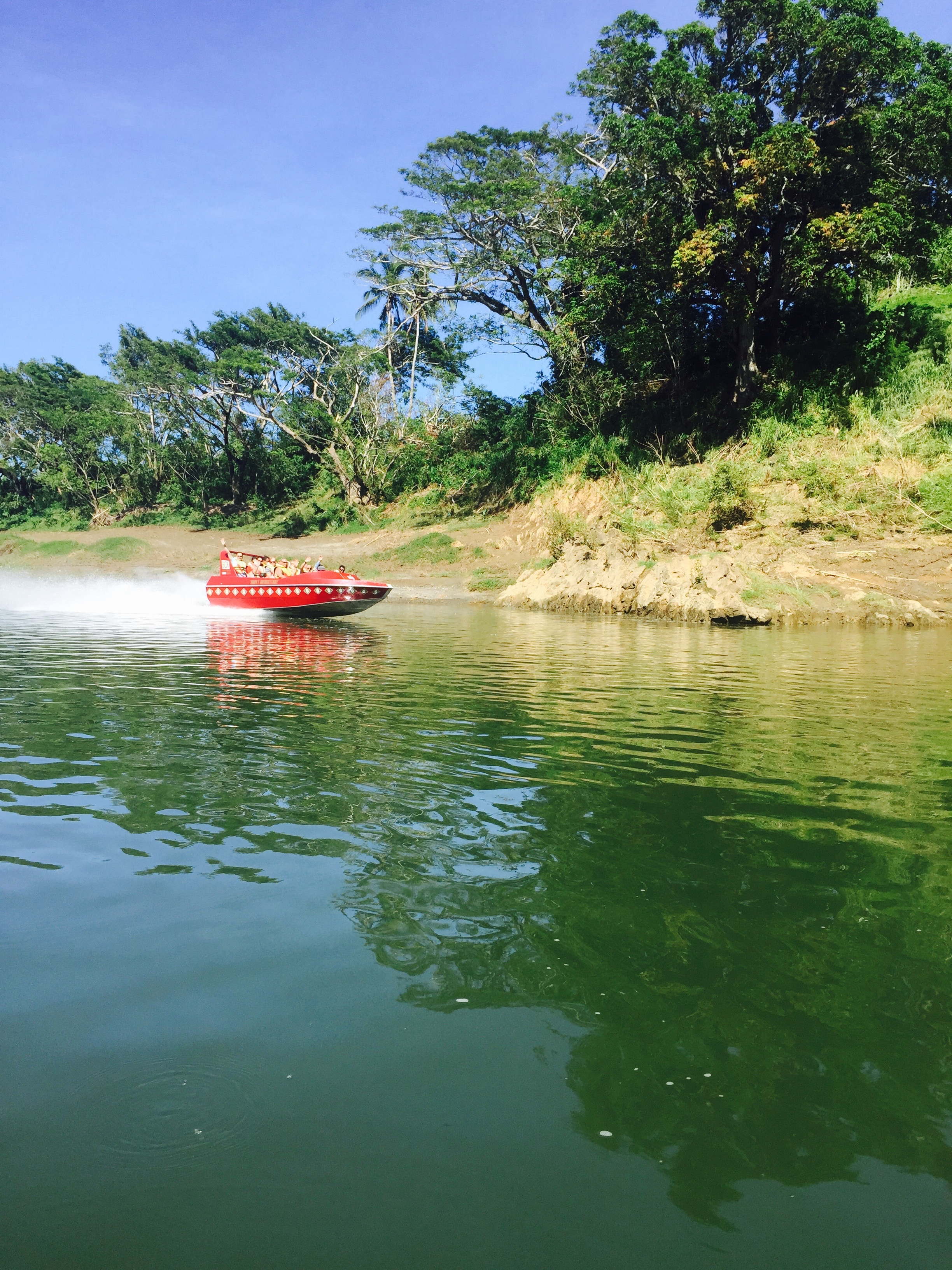
9. Jetboat the Sigatoka River
One of my all-time favourite Pacific adventures, Sigatoka River Safari is Fiji’s original jet-boat safari. This splashy tour cruises at screaming speed along the Sigatoka River, so if romance to you is having nice hair, forget it. What you will get, however, is a cool ride to authentic Fijian villages and experience a day in the life of a real ‘kaiviti’ (Fijian). If you’re lucky, a handsome Fijian will ask you to dance.
http://www.sigatokariver.com
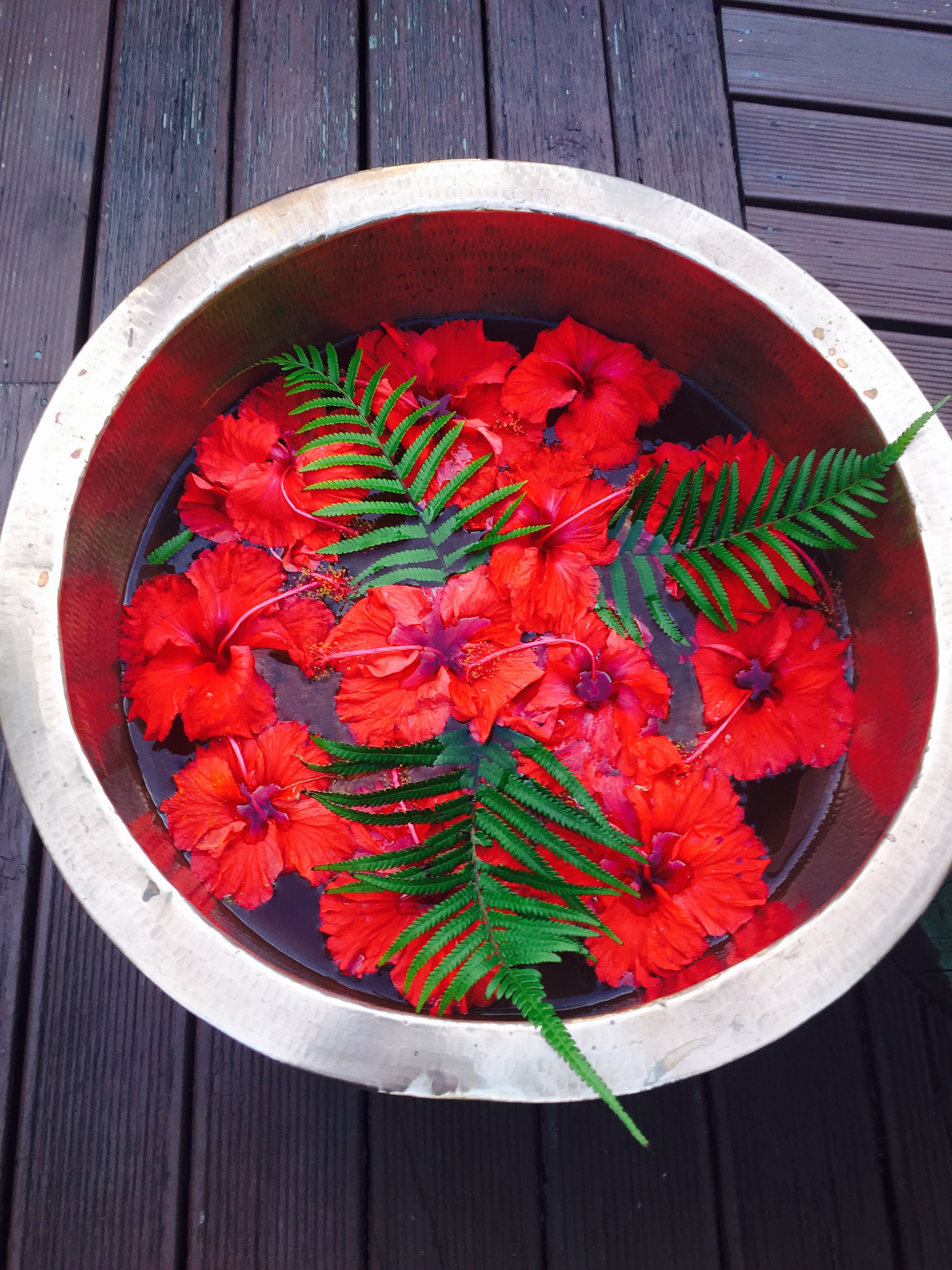
10. Discover Glass Blowing
I’m intrigued by this activity, as I’ve never heard of this in Fiji before. Head to Hot Glass Fiji in Korotogo, and Fiji’s first and only glass-blowing studio. Here, with its views out to the sea, you can partake in a glass-blowing workshop or watch the artists create beautiful pieces from molten glass.
http://www.hotglassfiji.com
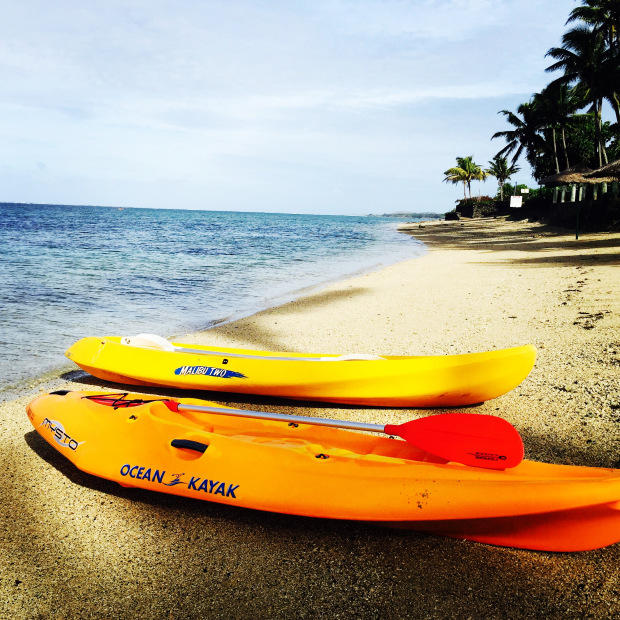
For more information on these activities and the Islands of Fiji, see www.fiji.travel
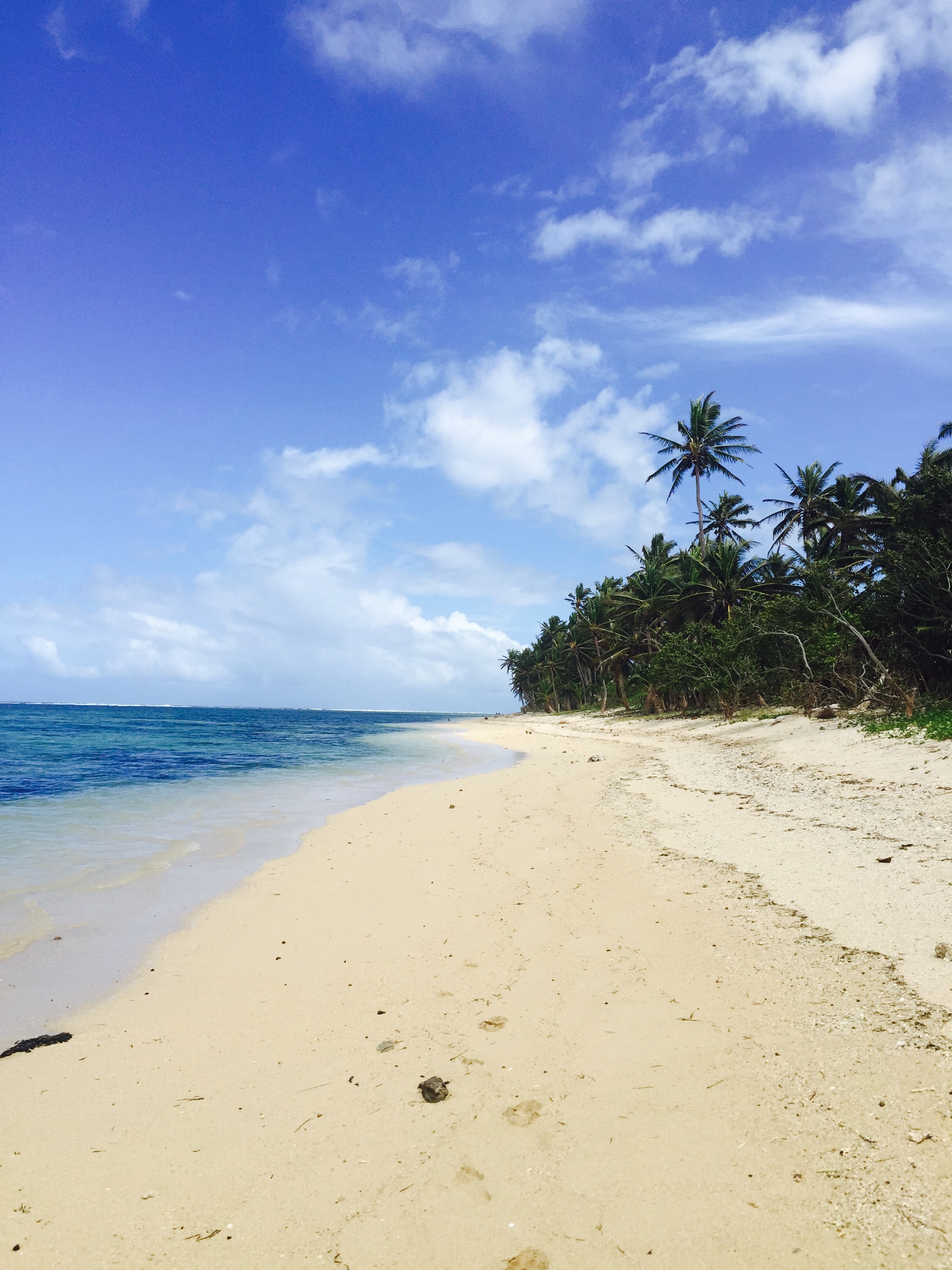
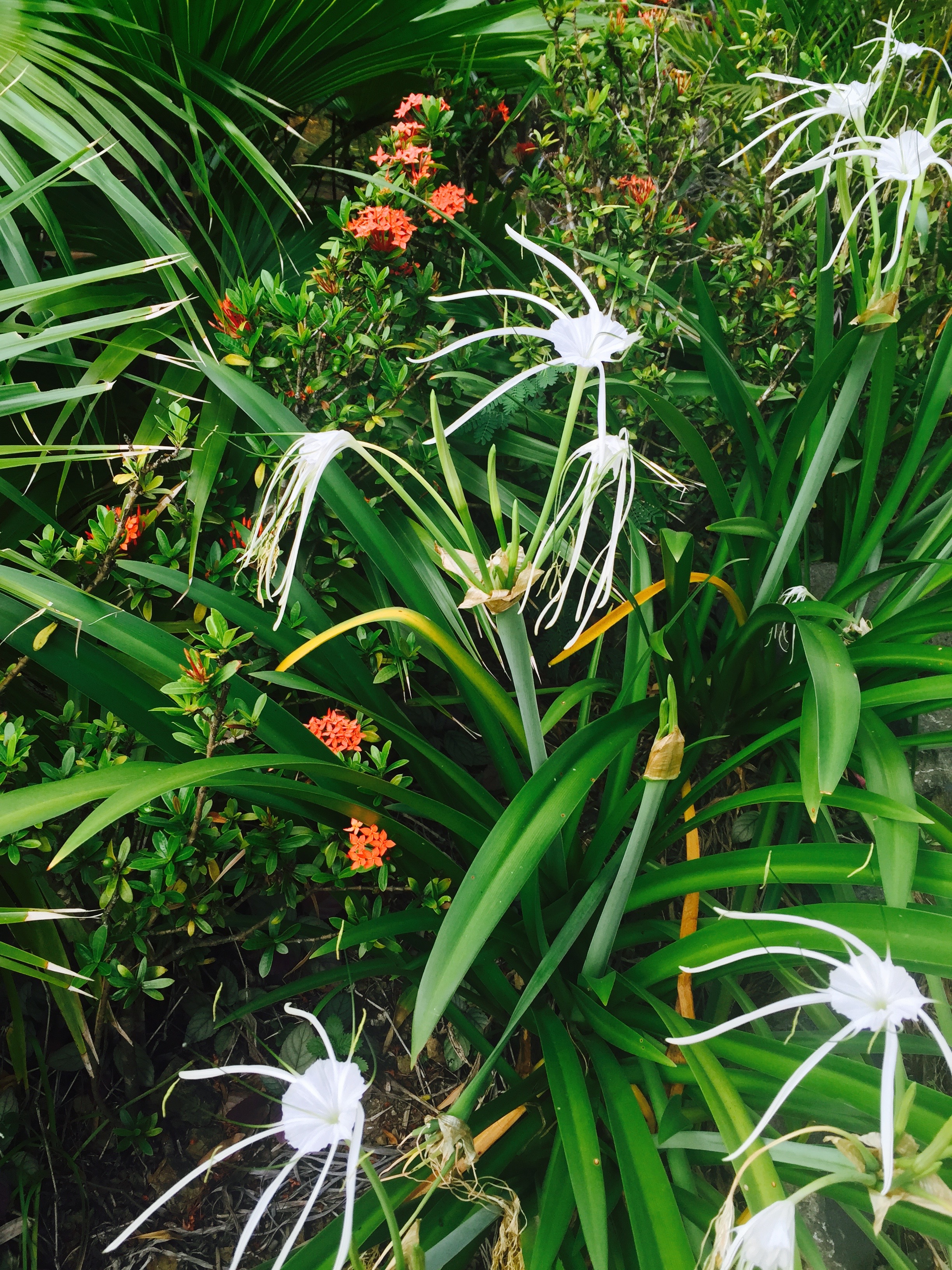
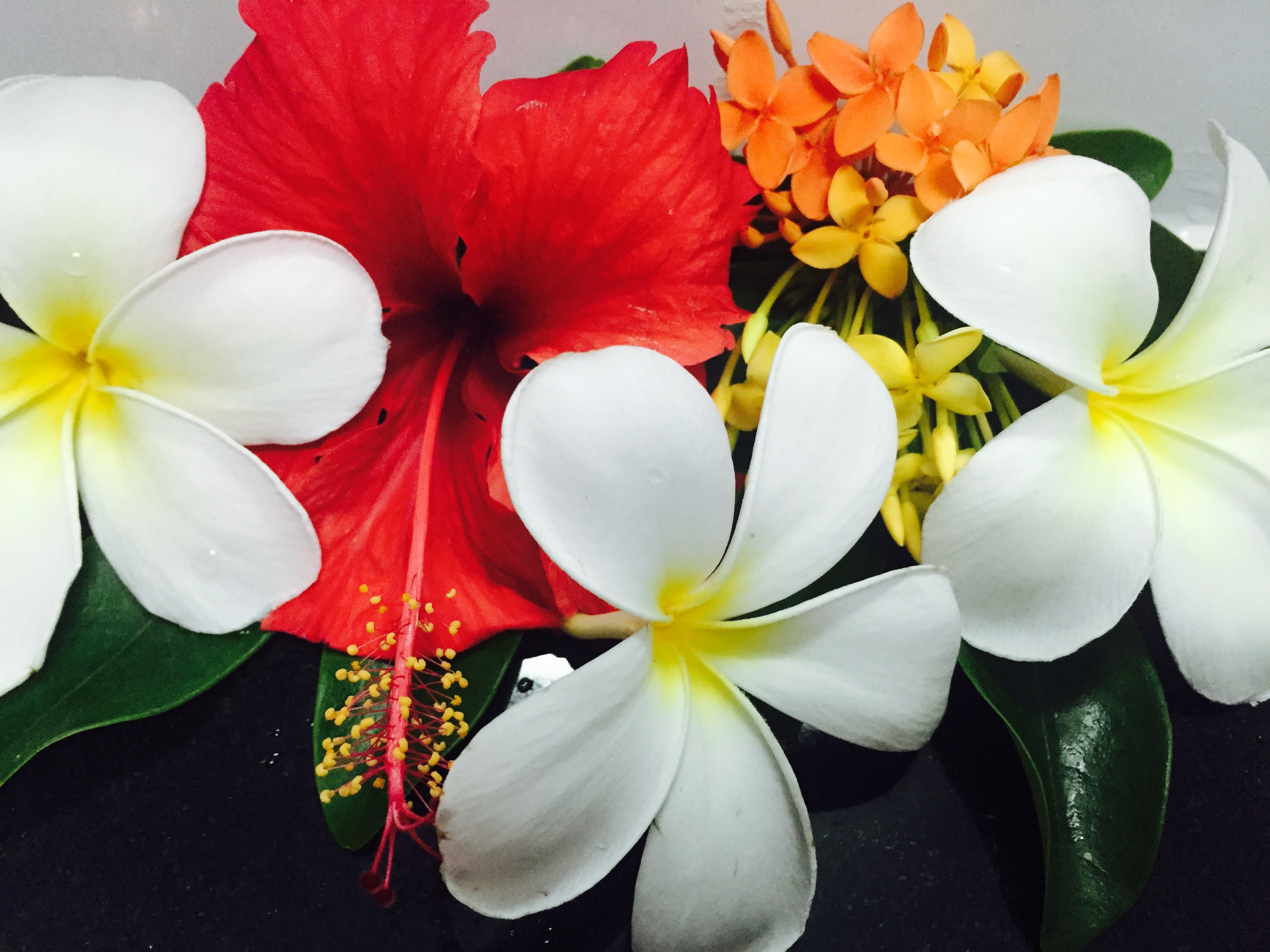
The Global Goddess took these shots while staying at the beautiful Outrigger Fiji Beach Resort, which, admittedly, is very romantic. https://www.outrigger.com/hotels-resorts/fiji
The Luxury London hotel built on a Fantastic Fib
This tourism tale is a ripper. And it’s built around a fictitious hotelier and 1920s architecture that Londoners are lapping up. In December, I headed to the English capital to unveil this lavish lie..
THE iconic ruby red British Beefeater gin guy is perched above the bar in which international accents are twirling around the room like Turkish dervish dancers. In one dark, moody corner, Americans are gushing about film making. The woman plonked behind me is all blustery and British, collapsing into a comfy chair with bags of designer shopping, immediately, and predictably, ordering a pot of English Breakfast tea. Around me, the walls are papered with black and white shots of screen starlets while above, a sparkling chandelier hangs from the ceiling.
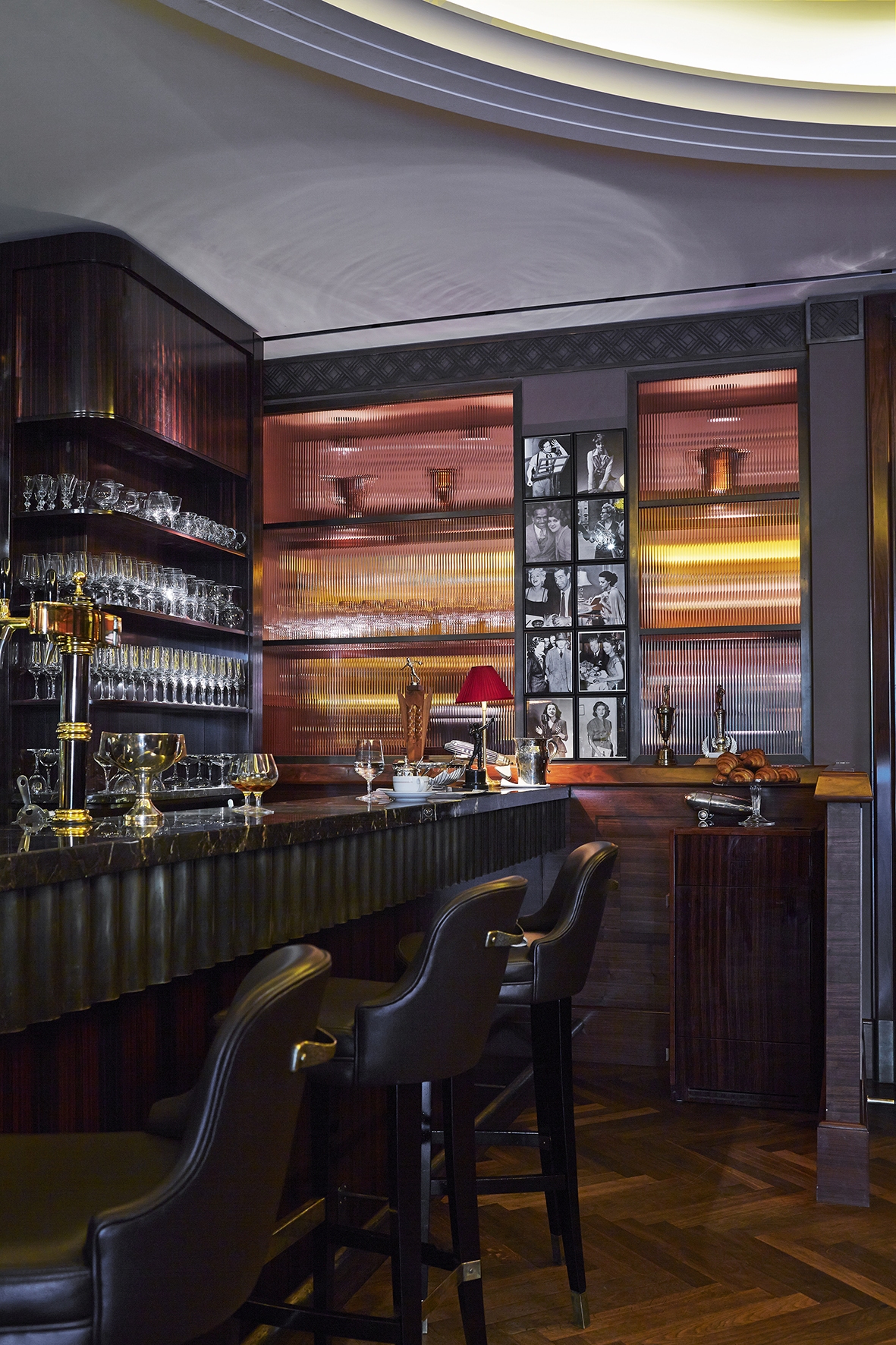
I am in The American Bar of London’s Beaumont Hotel, perusing the cocktail menu. There’s the aspirational Aviation – a concoction of Bombay Saffire gin, maraschimo crème de violette and lemon juice; the comical Corpse Reviver No 2 – gin, contreau, lillet blanc, lemon juice and absinthe; or the jaunty Jimmy’s Collins, made of Finlandia vodka, lemon juice, sugar and soda.
But who the hell is Jimmy?

According to legend, Jimmy Beaumont was a famous hotelier in the 1920s in New York, but strict prohibition laws in the United States made doing business difficult, so Beaumont moved to London where he opened this Mayfair establishment.
One on floor, there’s a portrait gallery of men in military uniforms which capture the friends of Beaumont who went off to war. Guests who visit, often recount how their grandmothers stayed here in the 1920s.
The only problem here: Jimmy Beaumont wasn’t real. He never existed. Nor was this hotel built in the 1920s. Yes, it’s one big, delicious lie.
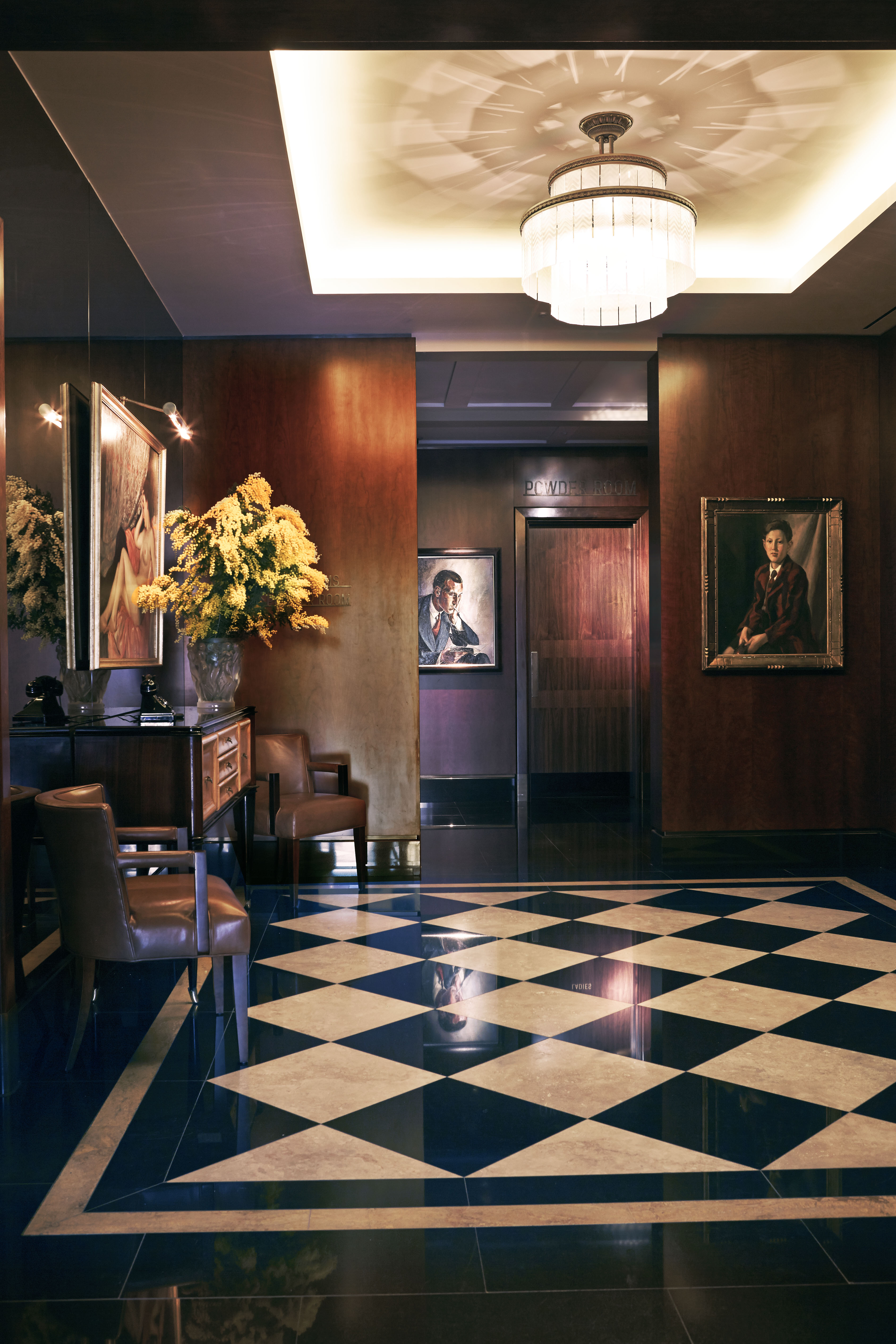
Opened just three years ago, this elegant establishment, just a short walk from Oxford Street, was the former car park for London’s iconic department store Selfridges.
While the car park façade has been heritage-listed and retained, inside the bones have been completely demolished and rebuilt, re-opening at the Beaumont in September 2014.
What is real, however, is the style and soul this art-deco hotel has managed to capture.
Glance at the top left of the building from the outside and you’ll see a piece of grey, twisty artwork. Built in partnership with the City of Westminster which decreed inner London needed more public art, the Antony Gormley sculpture is actually a three-storey high hotel suite. Designed by acclaimed artist Antony Gormley, ROOM, is a dark, oak-clad suite which aims to capture the concept of night.
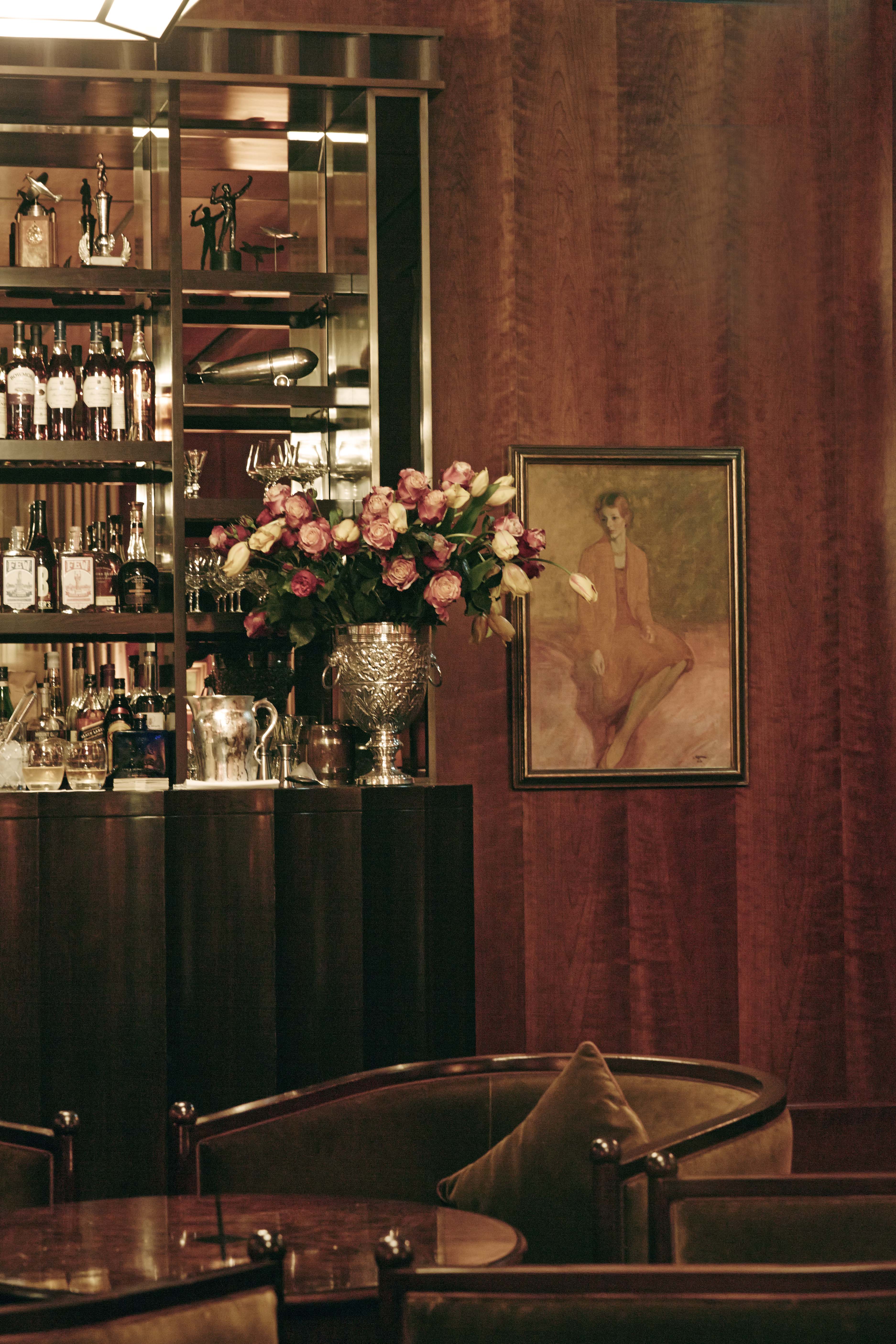
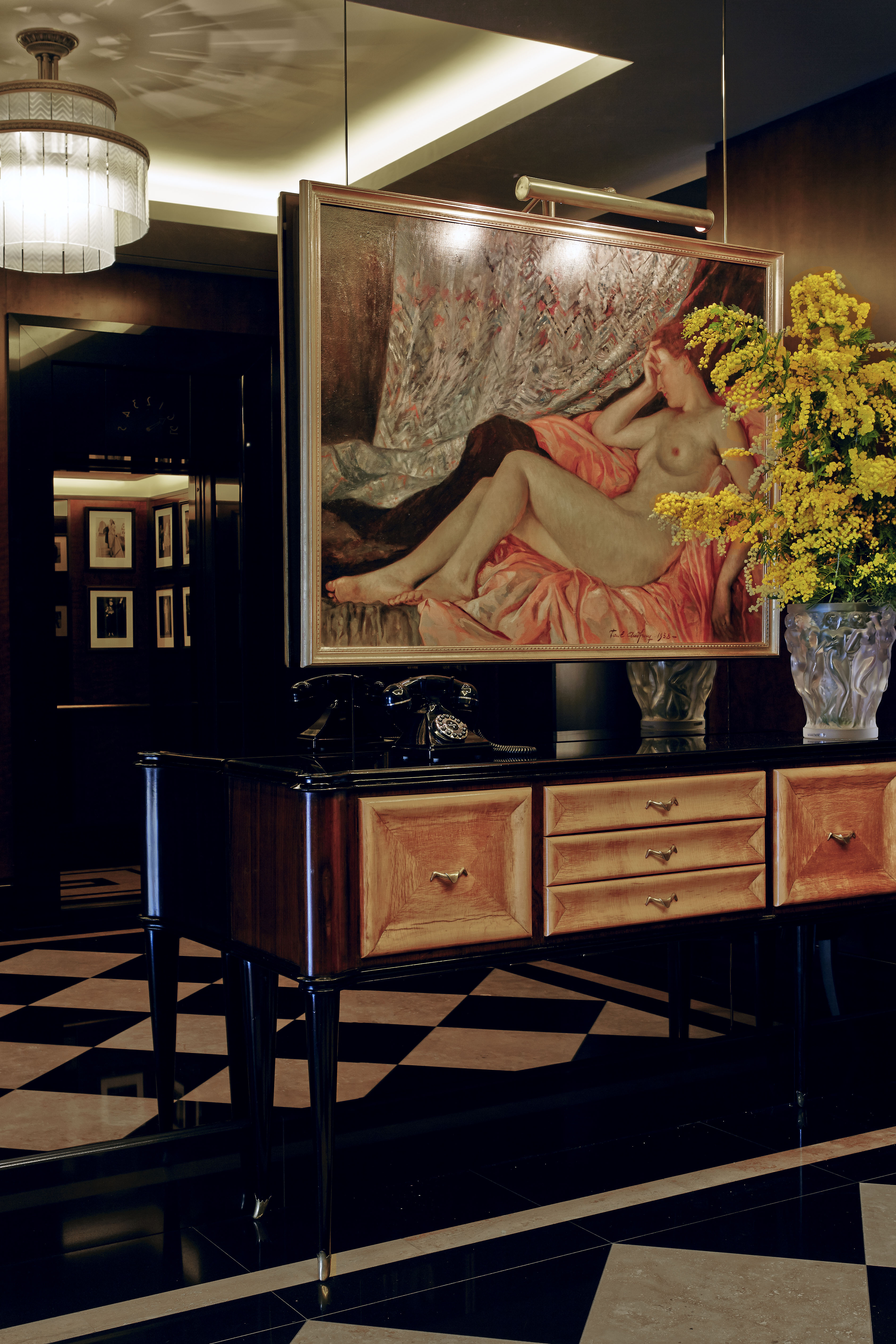
There are more than 500 pieces of art scattered around this hotel, some of which do date back to the 1920s.
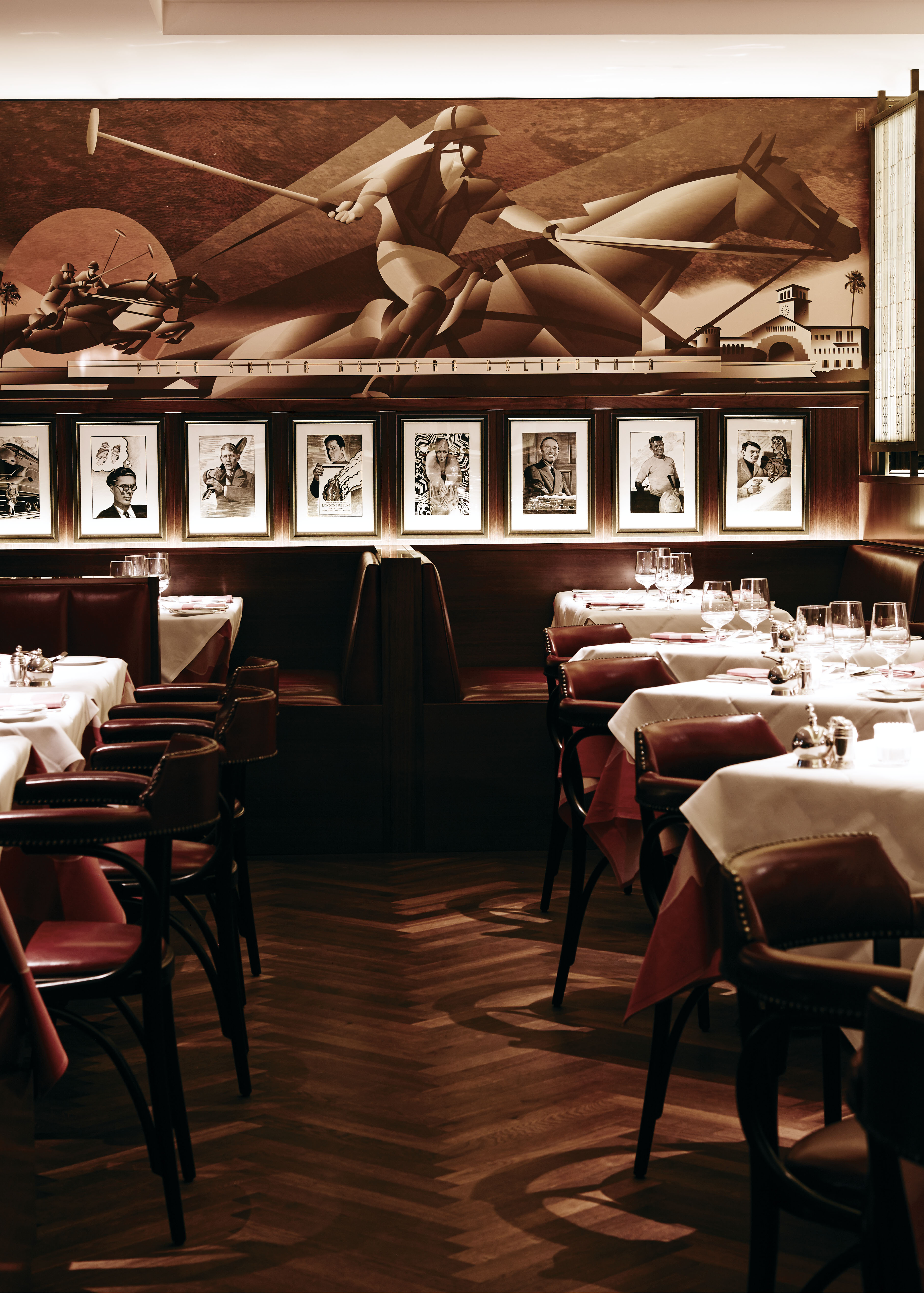
Guests who stay here can be forgiven they’ve stepped back into the 1920s with a private Cub Room space for quiet breakfasts in the morning or evening cocktails; the American Bar which depicts a typical watering hole you would have found in London in the 1920s and specialises in Bourbons and American Whiskies; and 100-seater Colony Grill Room, which combines the concept of a London and New York diner back in the day.
Feast on the likes of Ayrshire 30-day dry aged Aberdeen Angus steak, or a New York hot dog if you please, and finish with a Knickerbocker Glory ice-cream sundae.
Tucked away downstairs, there’s a Turkish hamman, plunge pool, spa, sauna, gym, and hair salon, which offers an old-fashioned wet shave for gentlemen.
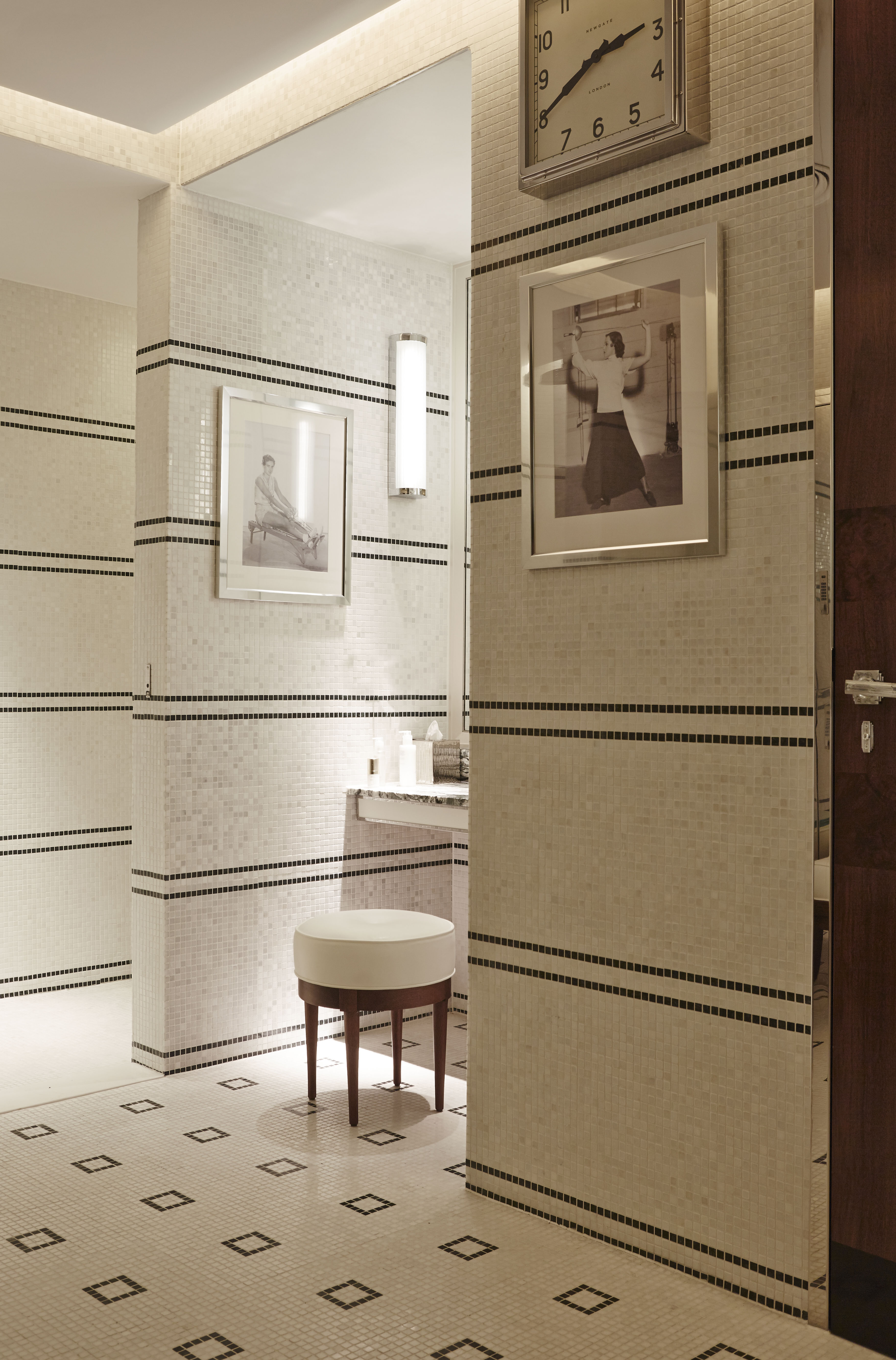
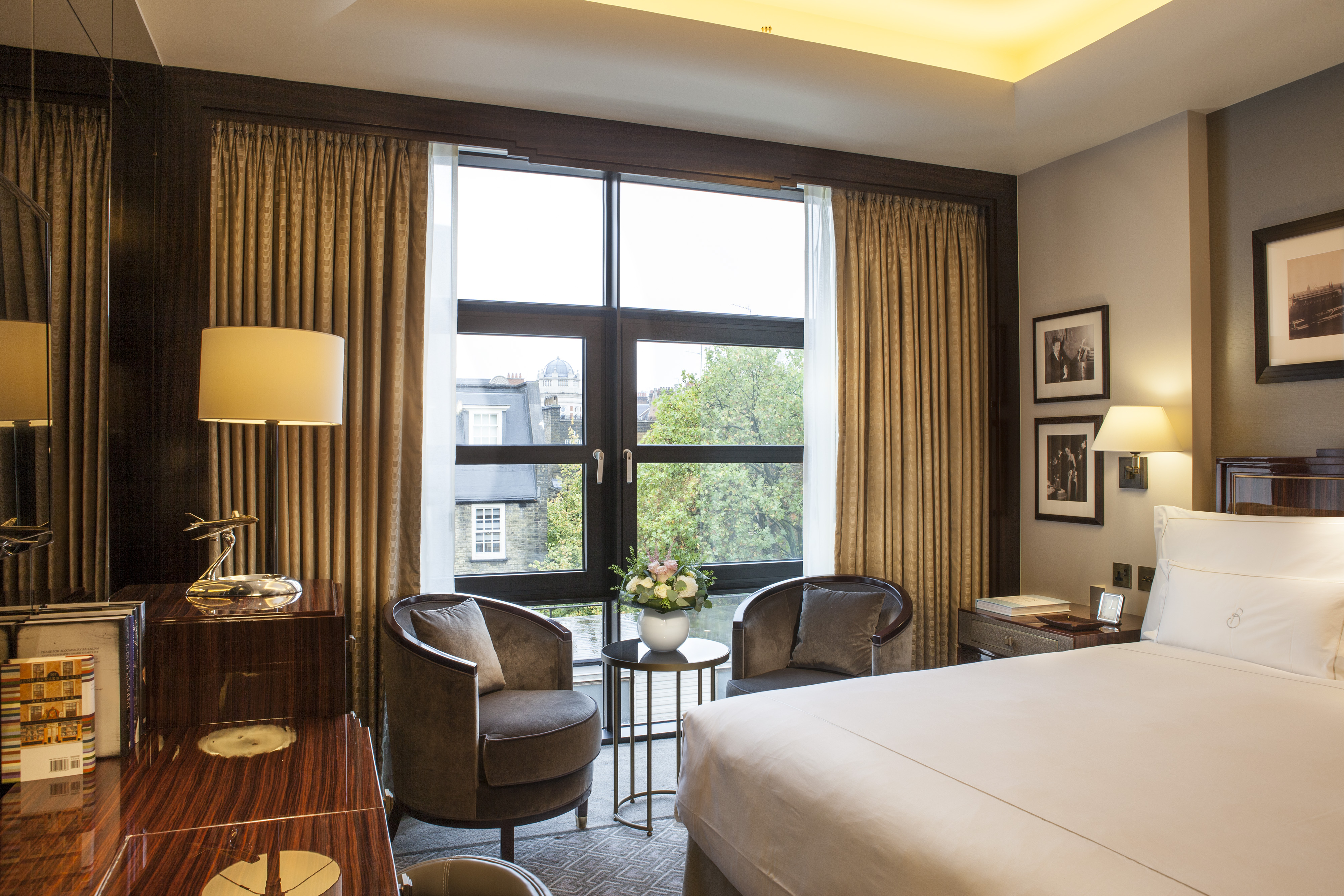
Inside the hotel’s 73 rooms, studios and suites, guests are treated to a complimentary mini bar, beautiful library books, Beaumont branded chocolates and more than 200 CDS of in-room entertainment, including New York lounge music to groove into the mood of a 1920s hotel.
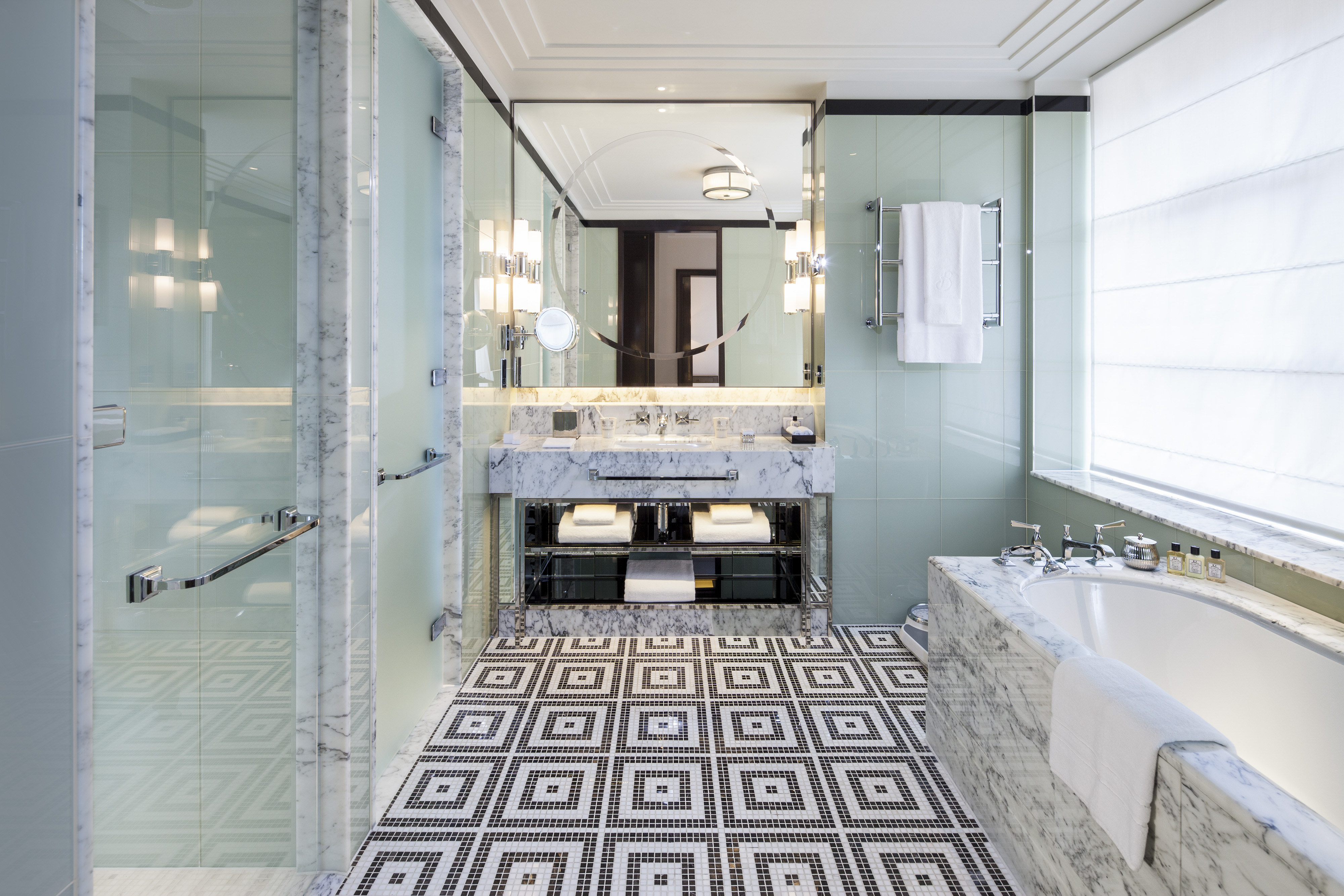
The bathroom is all art-deco black and white tiled heated floors, plush Beaumont monogramed bath robes, lavender bath salts for relaxation and London’s Dr Harris & Co toiletries which date back to 1790.
For those with money to spare, consider booking the opulent Roosevelt Suite which can expand to occupy the hotel’s entire fifth floor and boasts five bedrooms and large terrace.
Guests are also presented with a list of extensive shopping discounts at exclusive stores where their purchases can be delivered back to the hotel.
Or they can take advantage of the Beaumont’s vintage Daimler vehicle, which is available for free use for drop-offs within the Mayfair area.
This five-star hotel, named Independent Hotel 2017, is the first for Chris Corbin & Jeremy King, acclaimed restaurateurs behind The Wolseley, The Delaunay, and a number of other leading eateries in the English capital.
Back in the American Bar, the fantastic fib is so believable, you almost expect Beaumont to wander in at any moment and order his eponymous cocktail.
And that’s what makes this establishment, and London lie, so damn delicious.
The Global Goddess stayed as a guest of The Beaumont London – https://www.thebeaumont.com
To secure great accommodation deals in London click on Wotif
The 10 life lessons I learned at the Woodford Folk Festival…that I’ll be taking into 2018
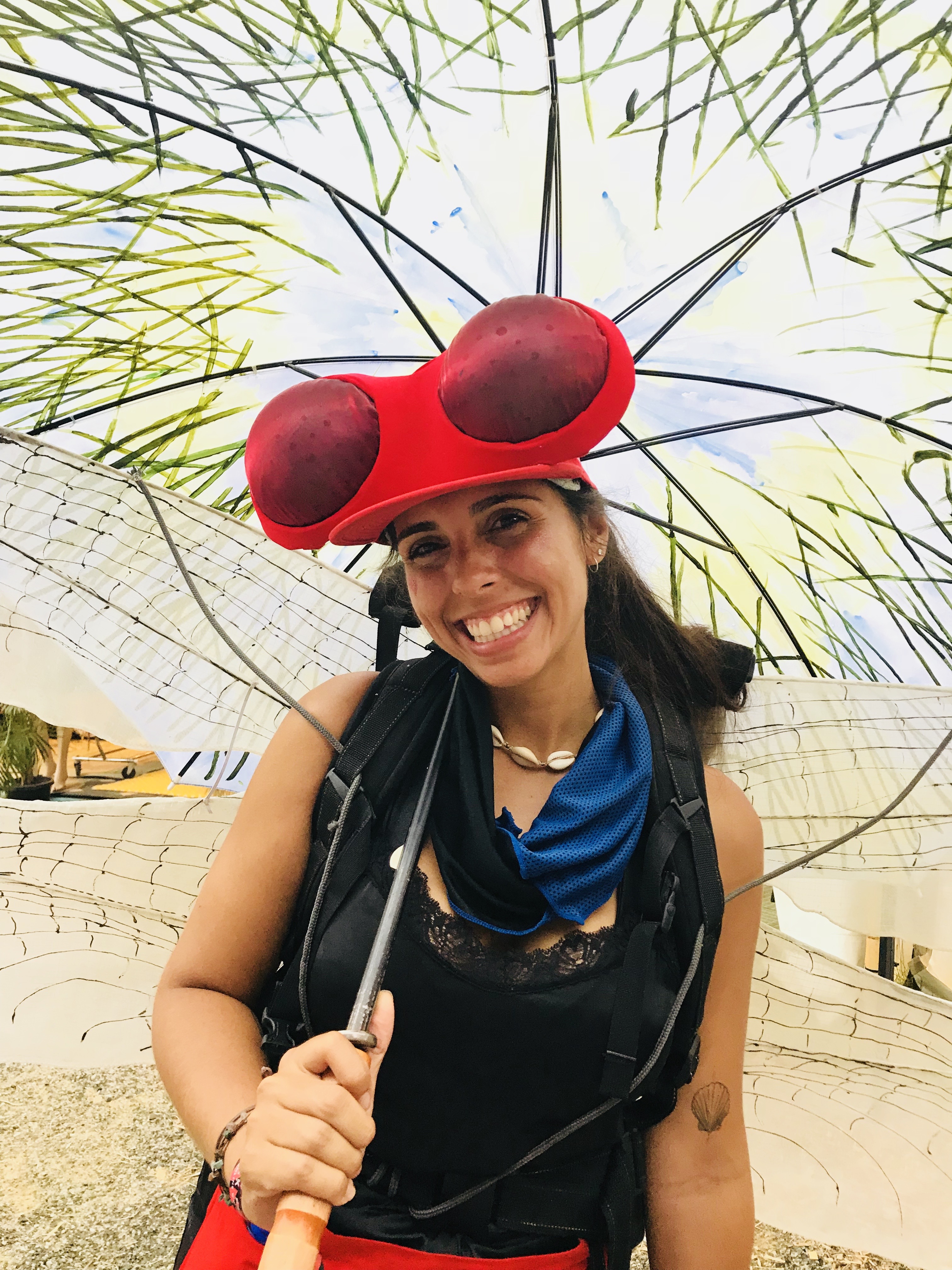
THE almost full moon is playing hide and seek under a tattered crochet rug of cloud and I am crouched around Clyde’s Pond, admiring acrobats. Hours earlier, I’d missed the annual ritual of climbing to the Hilltop at the Woodford Folk Festival to applaud the last sunset of 2017. The weather had other plans, you see. But the fierce thunderstorm predicted for the site, in the belly of the Sunshine Coast hinterland, barely raised its voice, as I sought shelter in the Coopers Bar, cradling a cold beer, and singing with the motley musicians gathered in a circle. Turns out Grandma’s Feather Bed was not a shabby Plan B at all.
New Year’s Eve 2017 and the rain retreats as quickly as it’s gathered, cleansing the site, showering our souls. If ever there is a place to spend that no-man’s land which is the week between Christmas and New Year’s, this is it. A time for replenishment and renewal. And here’s the 10 things I took away from this year’s event.
1. Go with the flow
I deliberately go to the Woodford Folk Festival with very few plans (aside from climbing to the Hilltop for the last sunset of 2017…and look how that worked out). Because, life, as we know it, has other ideas. And besides, with so much of life scheduled, where I can, I try to toss away the calendar. If I’m working from home in Brisbane, sure, I have an idea of what I’d like to achieve that day, but things get in the way. And if I’m travelling, I’m even more open to the universe. And that’s the lesson. Go with the flow and you will be richly rewarded.
2. Silence is golden
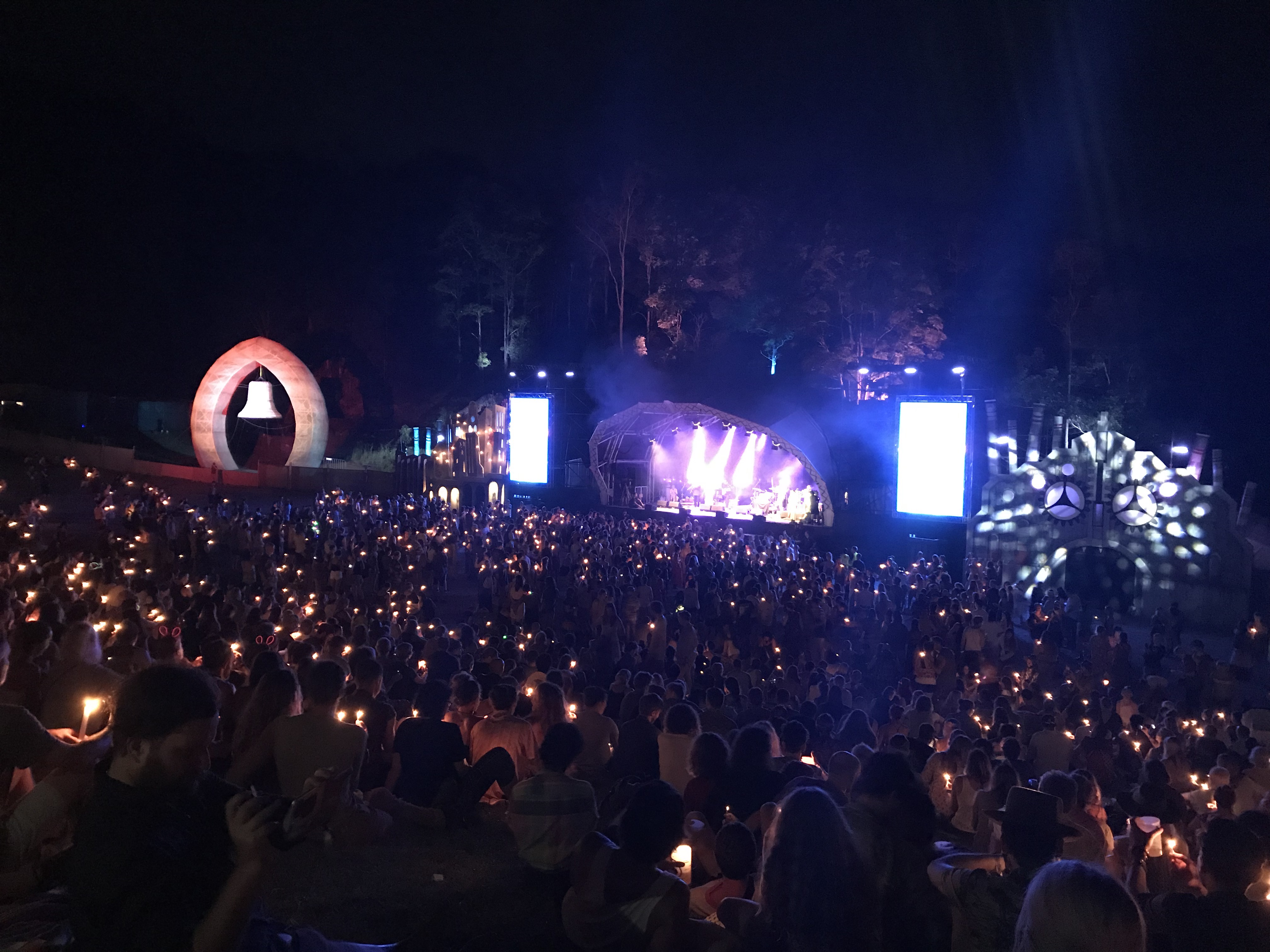
My second favourite tradition of the Woodford Folk Festival, and one where no weather can interfere, is the three-minutes of silence the entire site respects at precisely 11.30pm on New Year’s Eve. For three eerie and earthy minutes, all the bands ground to a halt, and 35,000 visitors on site pause to remember those they’ve loved and lost that year, while holding a lit candle. In a world in which we are inundated with noise, there’s a maudlin magic to this moment. Try and snatch a few seconds of silence every day.
3. Talk to strangers
Remember when you were a kid, and you were ferociously warned against talking to strangers, and for good reason? Well, you’re an adult now. Woodford has this precious power that upon entering the festival, you become a better version of yourself. Kinder, softer, more gentle with yourself and those around you. And all of a sudden, you find yourself chatting to complete strangers. Revelling in a shared experience. Maybe take some of this back out onto the city streets. You might be surprised at its effects.
4. Nourish yourself
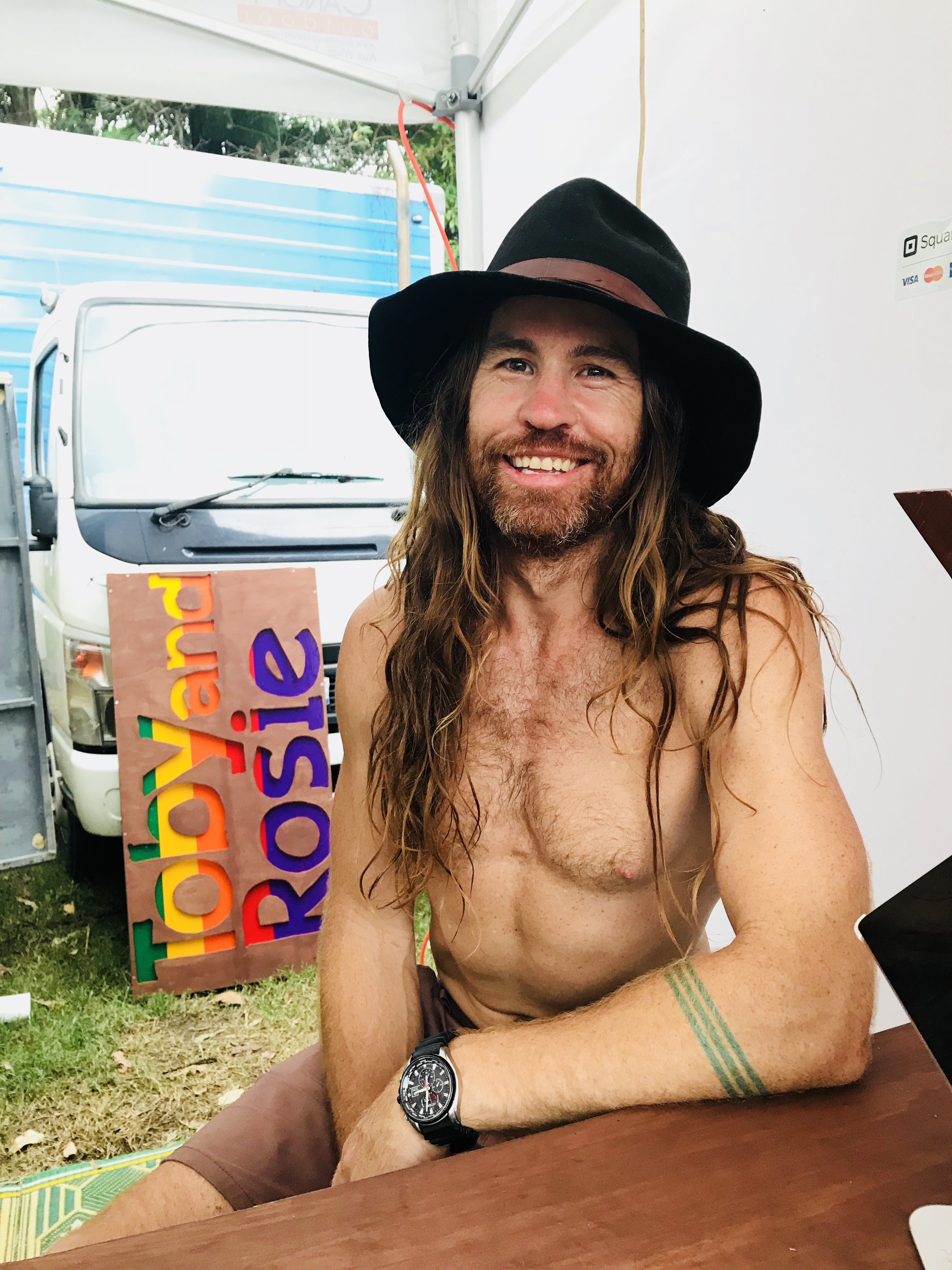
Not only did I indulge in some fabulous food at the festival: think slow-cooked lamb and the best Yemeni chicken wrap I’ve ever eaten (OK, so I’ve never eaten anything from Yemen, which made this even more special) – but Woodford is all about nourishing the mind, body and soul. Take the time to have more massages, do some yoga, join a meditation group, take an art class, try something different. Love thyself and treat yourself like you want others to treat you.
5. Give peace a chance
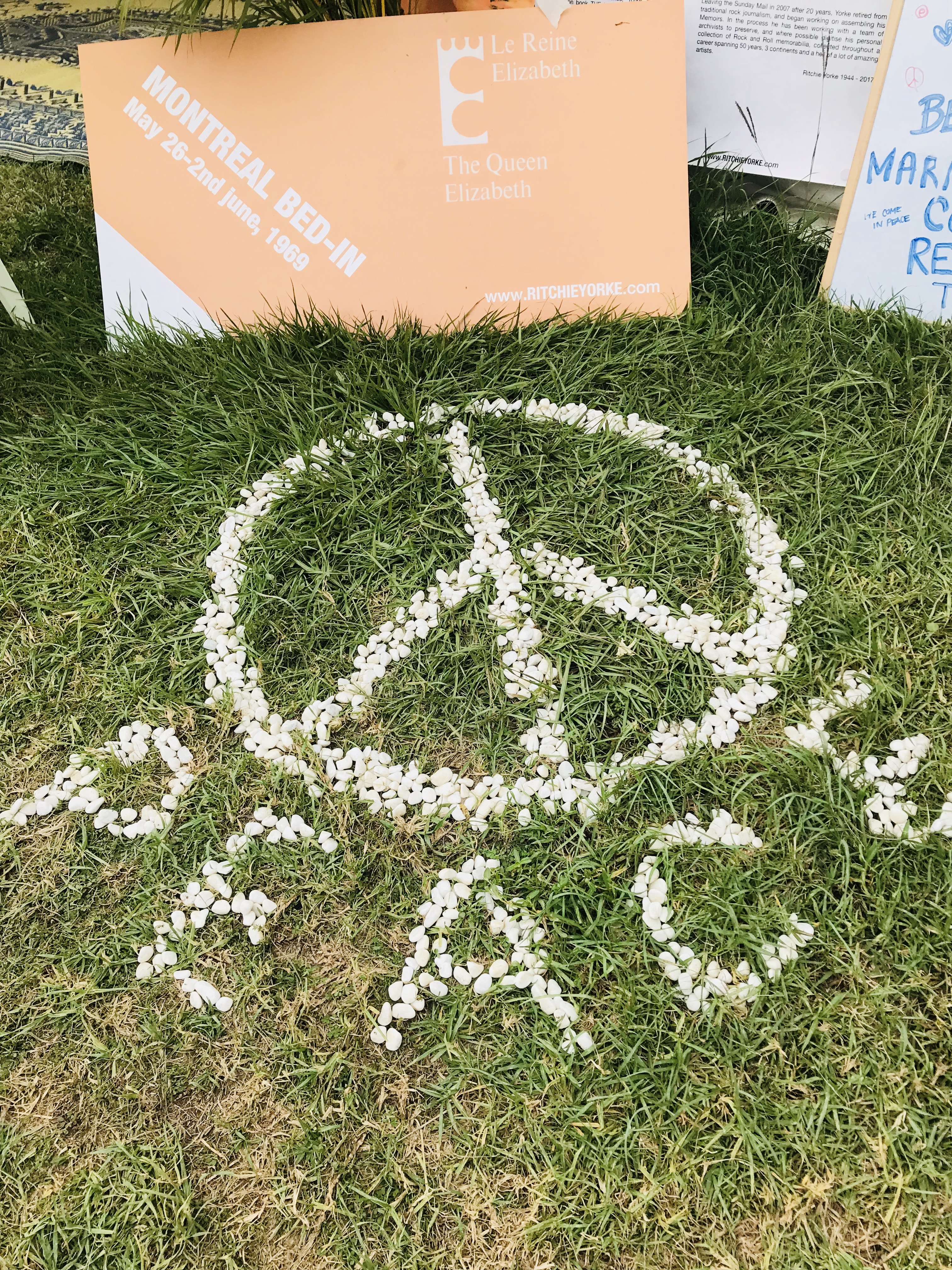
There was a really interesting installation at this year’s festival, a replica of the Montreal bed in which John Lennon and Yoko Ono staged their “love-in” for peace. Visitors could dress up in some cool gear and plonk onto this bed, to have their photo taken. There was also a flash mob for peace, and plenty of signs promoting peace. After all, if we don’t give peace a chance, what chance have we got? Embrace peace, whether it’s big or small. You don’t have to fight every battle.
6. Nothing is ever what it appears
Random acts? They’ve got them in droves at the Woodford Folk Festival. One minute you’ll be walking down a weirdly-named ally (there’s plenty of these here too), the next, you’ll stumble across some punchy performers. When is a pineapple not a pineapple? When it’s a bar, of course. Keep your eyes and your mind open to life, and the good stuff seeps in.
7. It’s OK to play
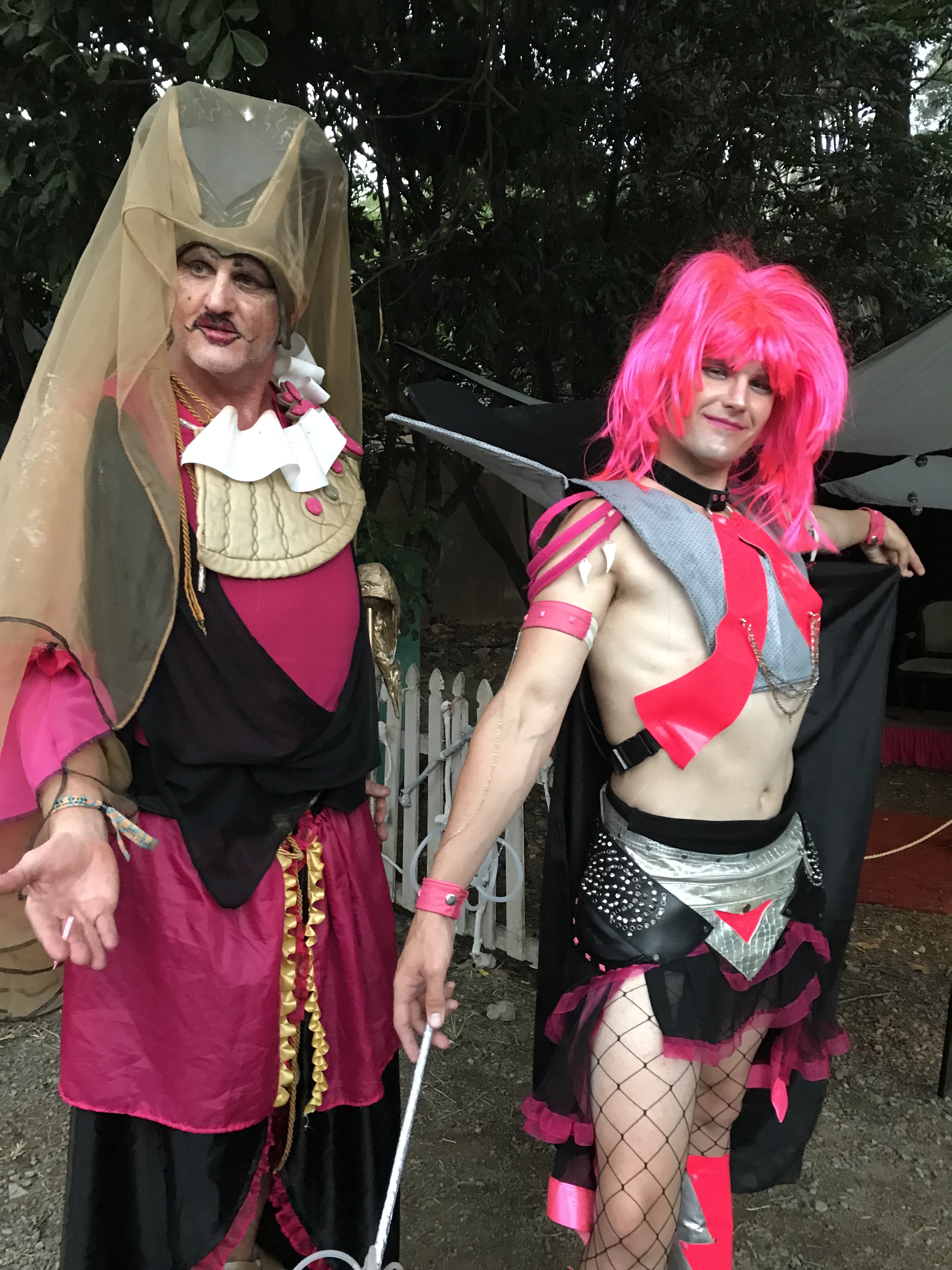
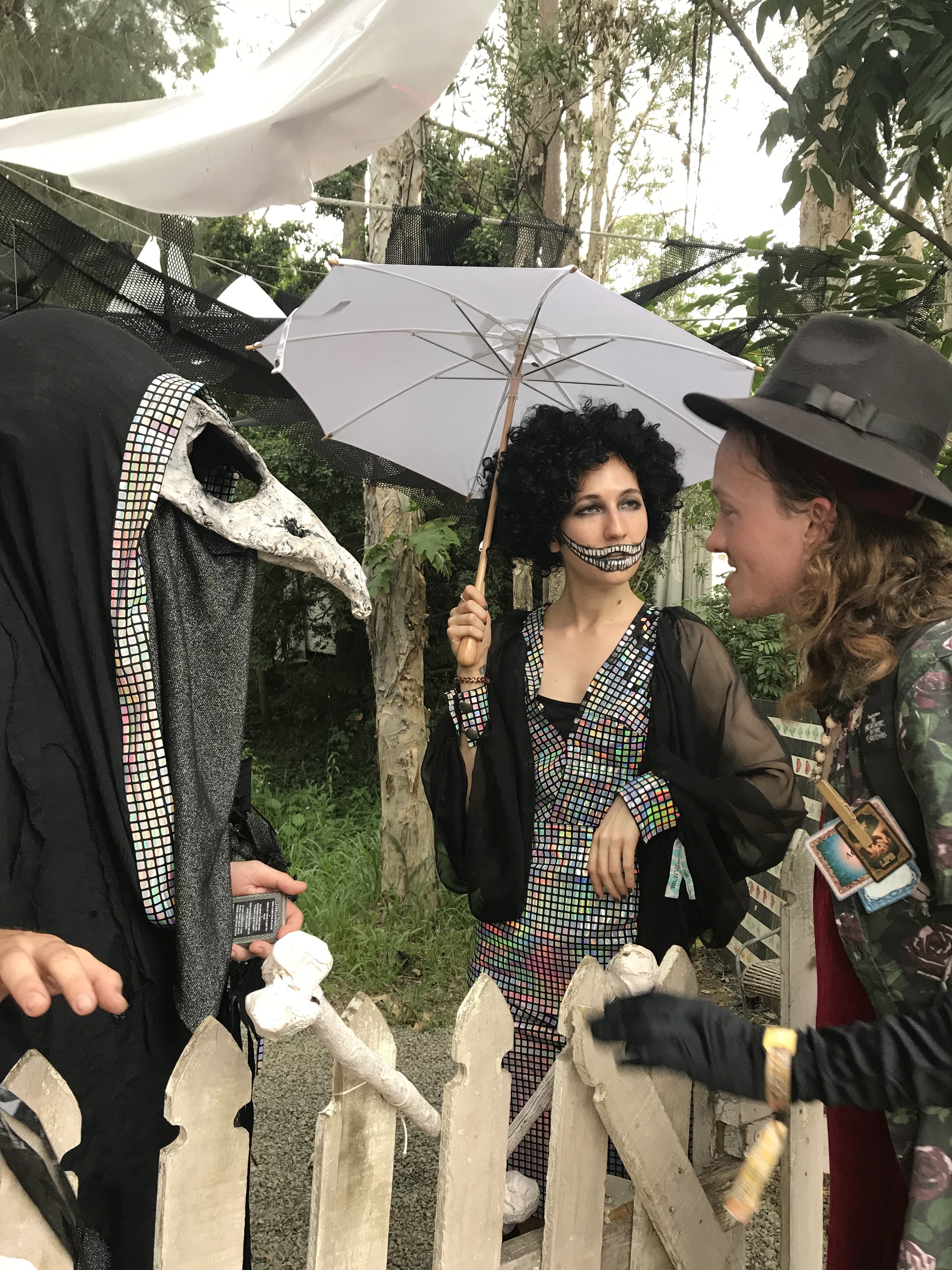
Give yourself permission to play. Dress up in a costume, assume an alter ego, let your imagination run as wild as a brumby over an open field. You’ll find plenty of play at Woodford. Step out of your version of you and wrap yourself around a wilder adaptation. Go to a local park and jump on the swings. Dance around the house. Sing in the shower. Catch waves at the beach. Plunge deep into yourself and pluck out that child that once played.
8. Connect more
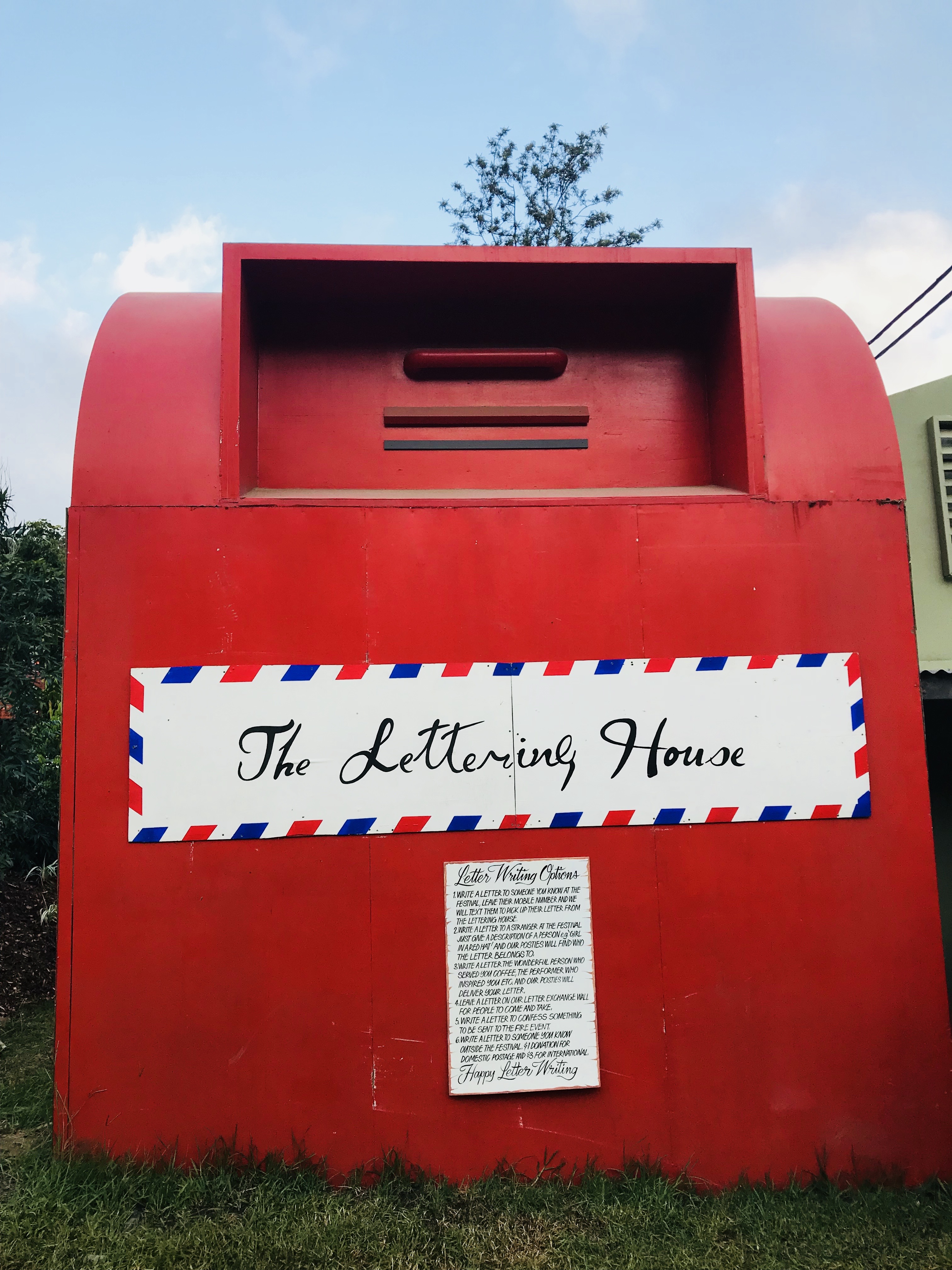
Sure, we live in the most technological era in history, but how much do we really connect with those around us? How close are you really to your 500 Facebook friends? Check in on your mates. Go crazy, pick up the phone and ask them out for dinner or a drink. Two things I loved at Woodford – this gigantic post box where visitors were encouraged to pen a letter to someone on site, and it would be delivered; and the phone a granny booth, where, for various hours each day, you could catch a chat with grandma.
9. Recycle more
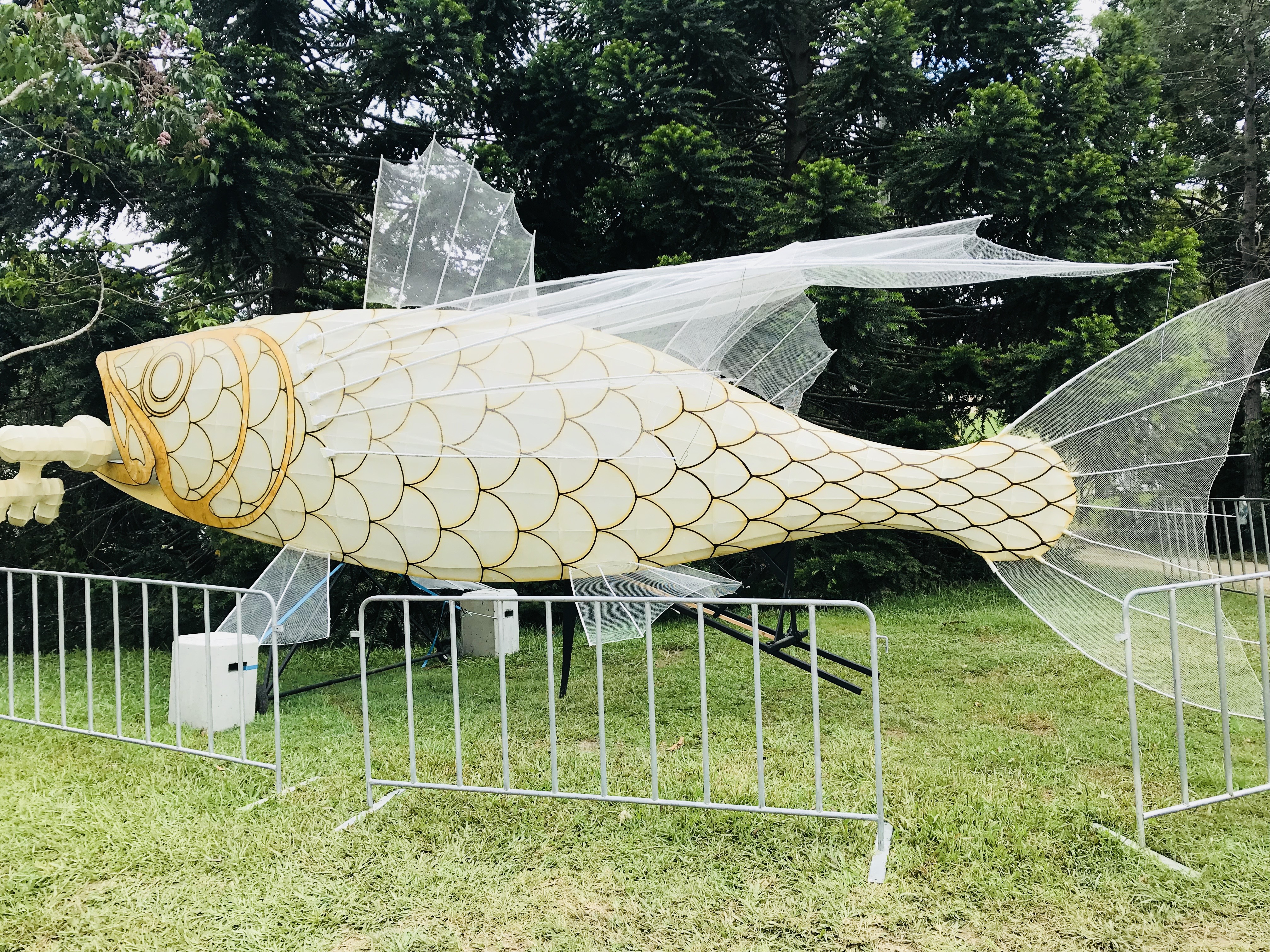
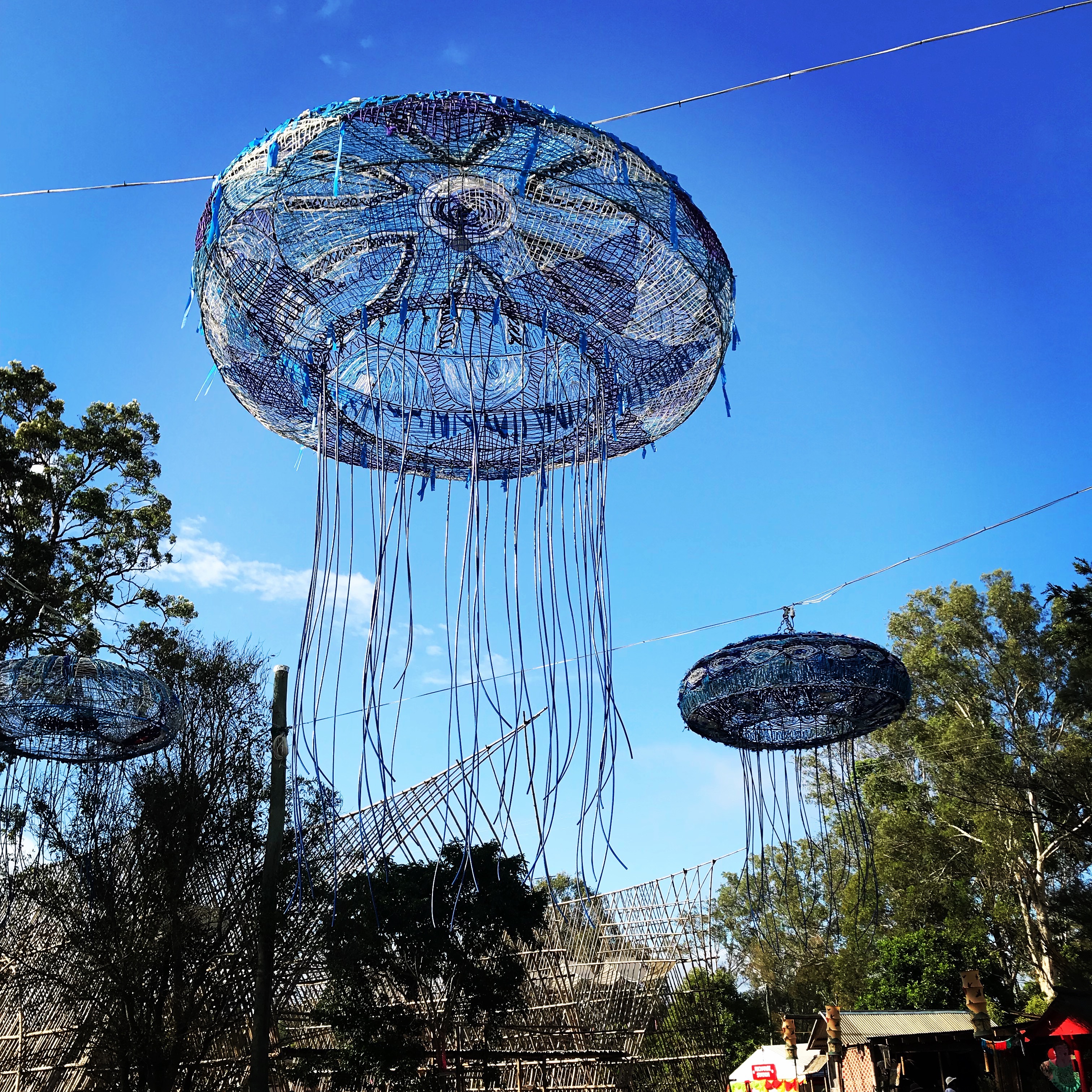
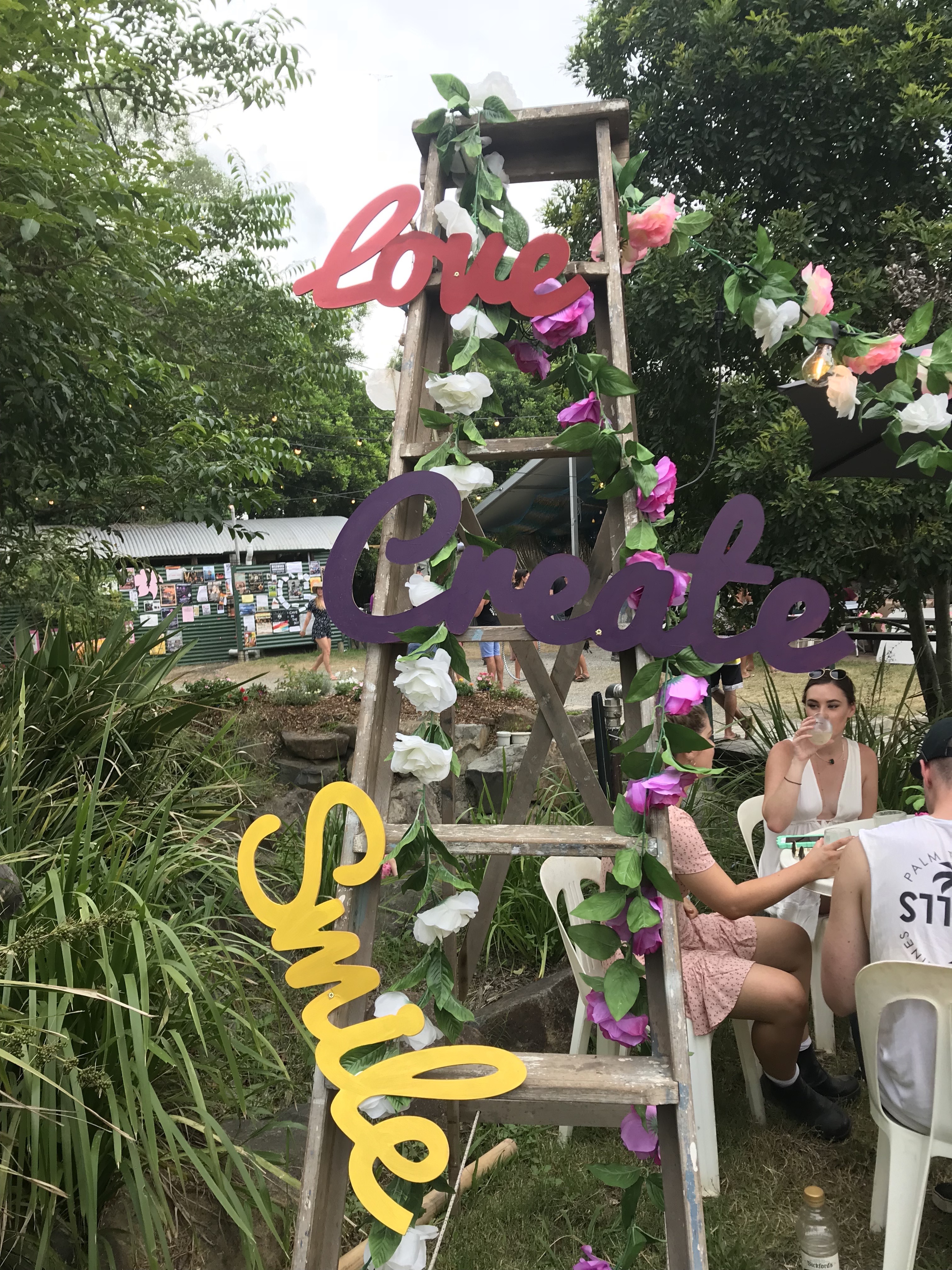
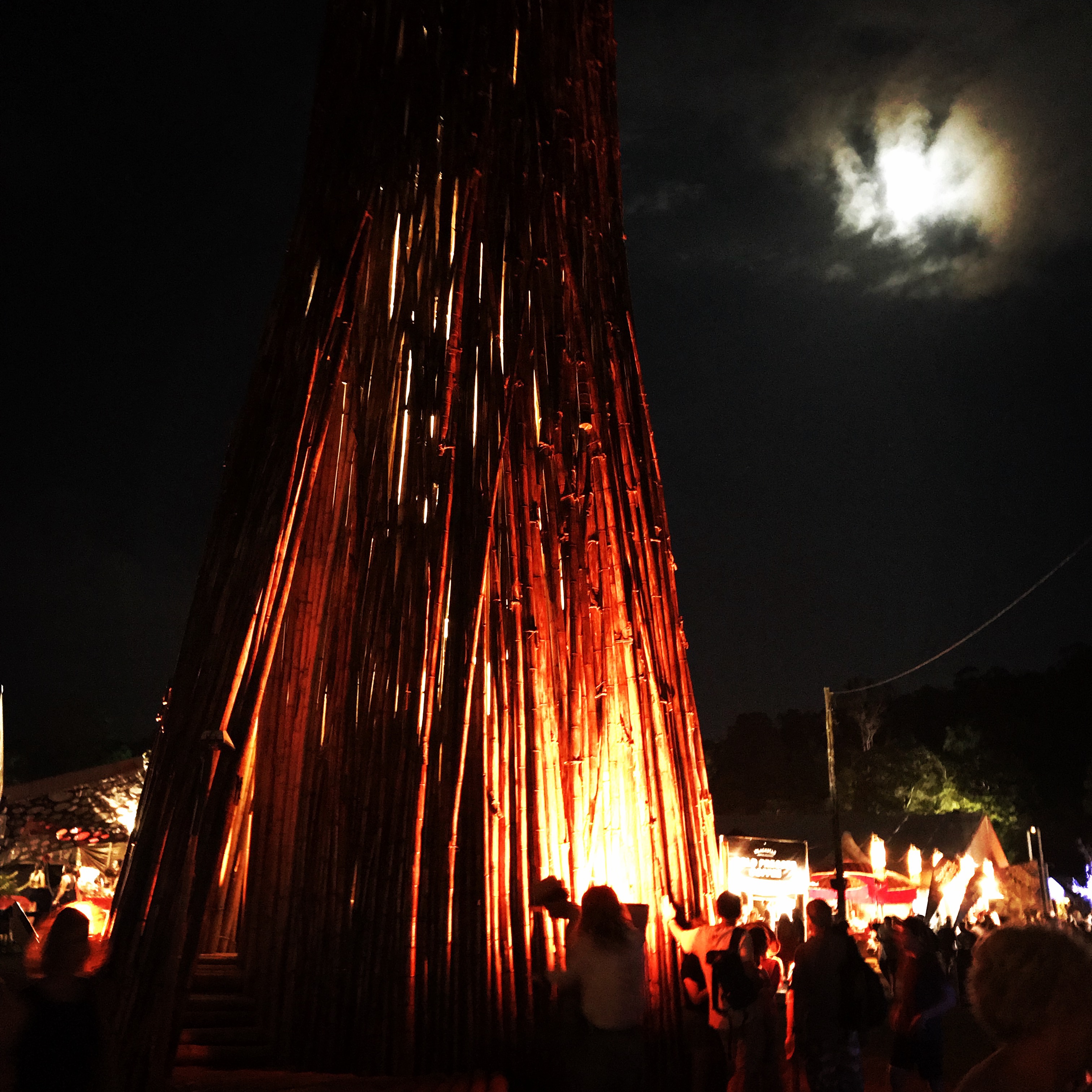
The fine folk of the Woodford Folk Festival have been leading the way with recycling for years and each festival, it just gets better and better. (That’s another thing I love about Woodford, you can go every year, and there’s always something different). I adored the giant bamboo structure in the guts of the ground; had a few lazy drinks in the Vinyl Lounge (think your grandmother’s living room); and adored the giant sculptures made from recycled materials.
10. Smile more
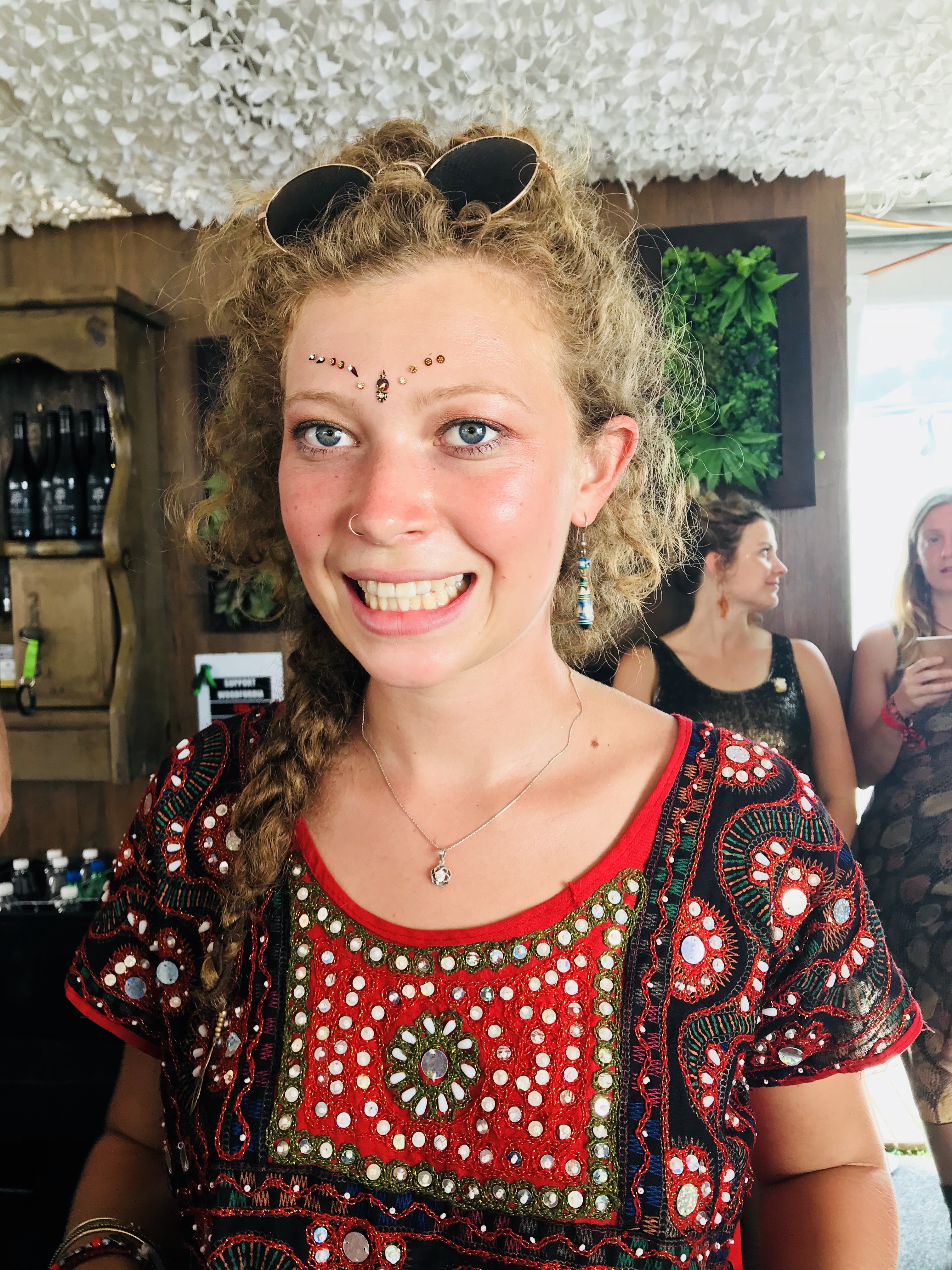
I can’t count the number of complete strangers who caught my eye with a smile at the Woodford Folk Festival. And yes, it’s infectious. The next minute, I’m smiling at complete strangers, and then they’re smiling at complete strangers. You get my drift. And do plan a trip to Woodford this year. You’ll smile so much, your cheeks will ache.
The Global Goddess was a guest of the Woodford Folk Festival. To find out more about the 2018 festival, or other events on the site during the year including The Planting Festival, from May 4 to 6, go to https://woodfordfolkfestival.com
Check out Last Minute for great accommodation deals on the Sunshine Coast Last Minute
2017: A Year of Great Guides
AS a travel writer, it’s natural for me to focus on the destinations in which I find myself, but for my last blog of 2017, I wish to highlight the people behind those places I was incredibly fortunate to visit this year. When you’re out in the world, hunting and gathering stories and photographs, it can be a bit of a lonely place, particularly if you’re travelling alone, as has been my strategy in recent years. Until you meet your guide. This year, I was blessed to have the most generous souls cross my path as I wandered around the planet, people who went above and beyond their roles as tour guides or tourism staff, many of whom became friends.
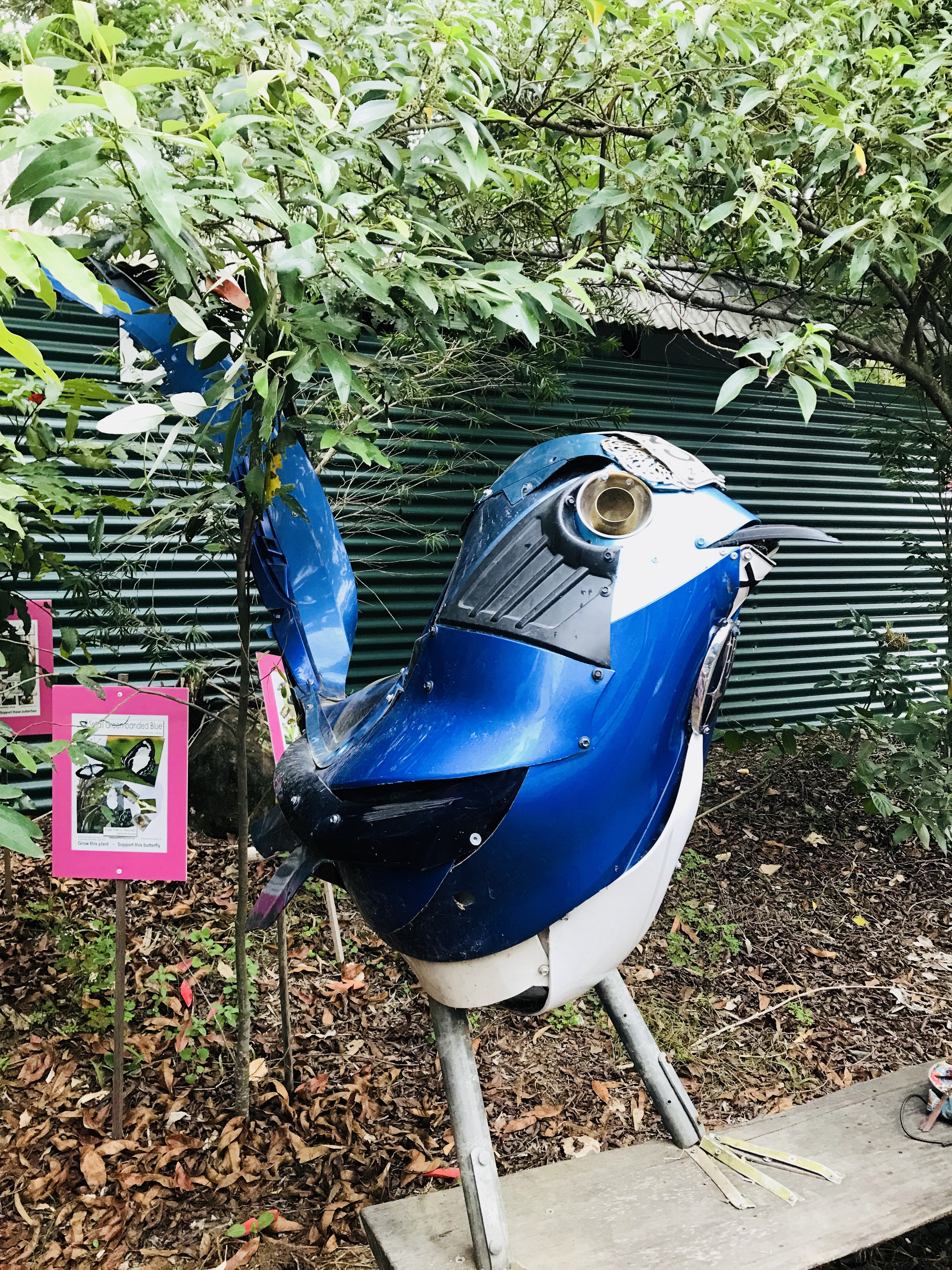
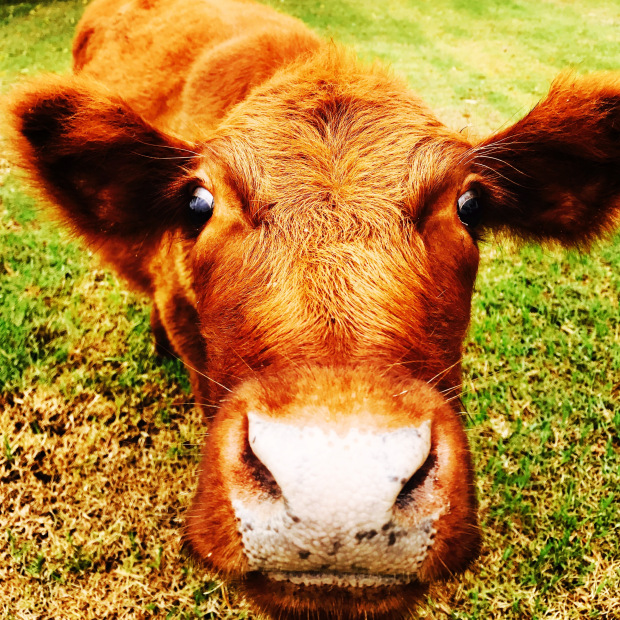
My travels started in February, at beautiful Noosa, on the Sunshine Coast. It was as hot as hell that weekend, where I partook in my first mountain bike tour with Bike On Australia. The next day, I kayaked the Noosa Everglades with Kanu Kapers Australia and both of my female guides were encouraging and taught me new techniques in both adventures, but above all, were the strong, smart women I so admire. Later that same month, I visited the remote Australian territory of Norfolk Island. Here, I met Tania from Norfolk Island Tourism, who introduced me to this destination’s incredible history, local food and wine, and the rugged landscape. I don’t have a snap of Tania, but I took plenty of the cows which inhabit this place, and which outnumber residents.
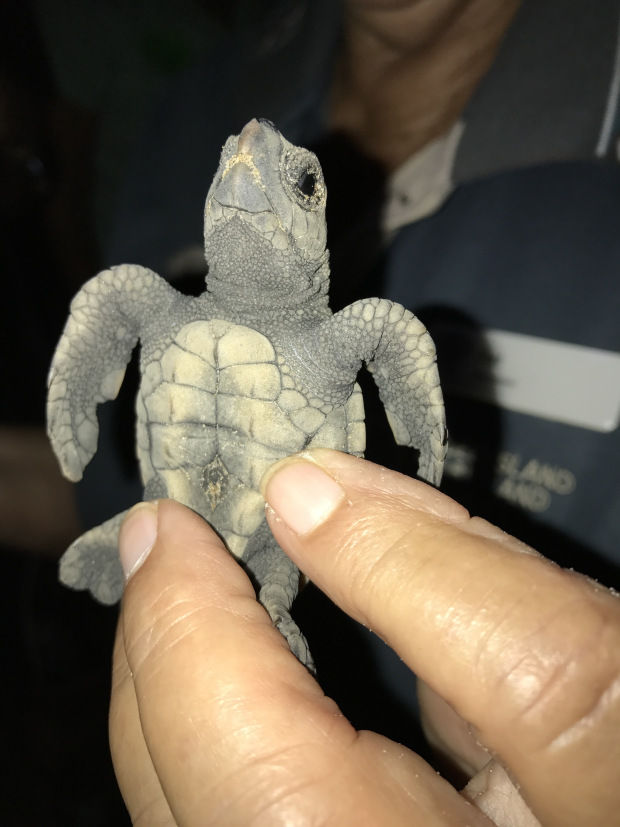
March was devoted to my home-state of Queensland, firstly visiting Tropical North Queensland’s Port Douglas and the Daintree. Here I ambled among the world’s oldest rainforest, Mother Nature being a particularly good guide on this trip, and snorkelled the Great Barrier Reef, reminding me of why I love living in this part of the world so much. Two weeks later I was in Bundaberg for a series of stories, where among my great guides, I met Suzie from Bundy Food Tours. Mother Nature made another big impact on this trip, introducing me for the first time to her turtle hatchlings on Mon Repos beach. It was so beautiful, I cried.
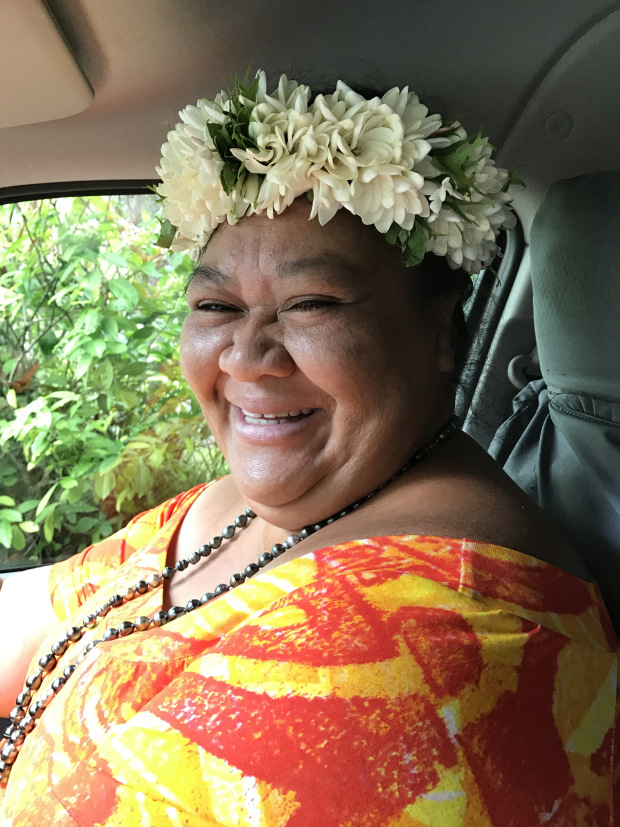
I encountered one of my favourite guides all year in the Cook Islands, when I met Aunty Nane. Aunty’s laugh was a cross between a gecko and an erupting volcano, and epitomised the soul and spirit of these proud Pacific Islanders. Aunty loved to eat and talk, and we spent 10 days doing just that, enjoying the spoils of the tropics. Aunty was convinced I would find a husband if I accompanied her to church, so off we trotted. I never found a bloke, but the singing gave me goose bumps. On an outlying island I also met Aunty Mii, who told me she spent her days trying to avoid her husband because he was “stupid”. You can’t win ‘em all.
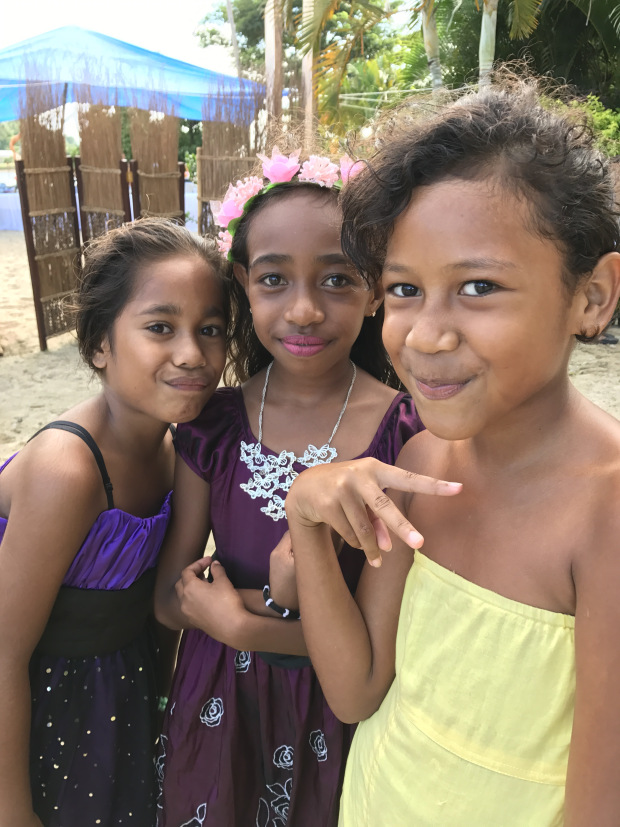
In May, I was in Fiji for the wedding of my beautiful friend Saskia who married her Fijian warrior Pauliasi. The Fijians are great and gentle guides, who teach you much without even knowing it. It’s all about Fiji time up here, learning to slow down, that things don’t always go to plan, but you can always find a reason to smile. It’s a lesson which was carried into later that month when I visited the Whitsundays, which was rebuilding after Cyclone Debbie. Resilience? These people have it in shades, and again, amid the destruction, there were still smiles.
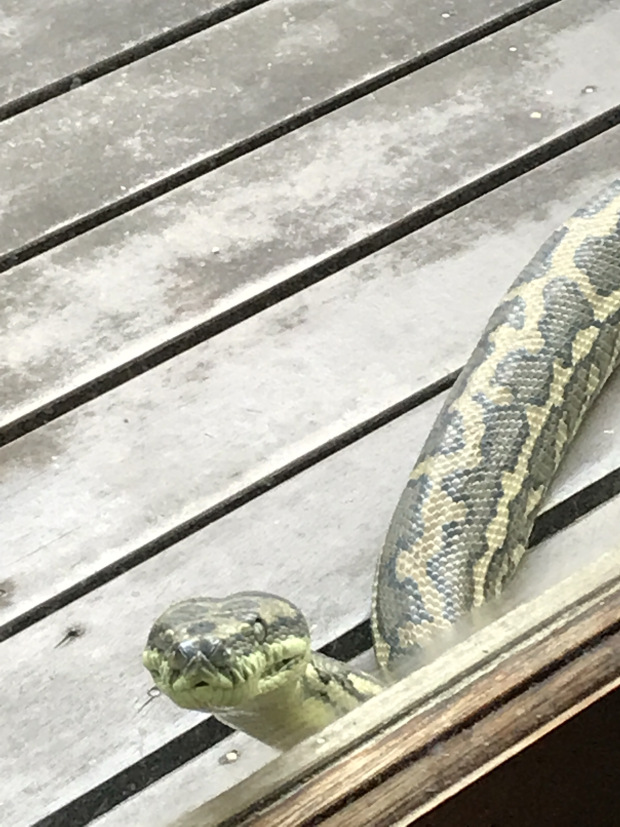
In June, I was up at Noosa again, gathering some last-minute stories for an urgent deadline, but my biggest teacher in both June and July was my wild eastern Australian carpet python, Sylvia. For a few weeks every winter, if the stars align, I try to slow down, stay home, go to yoga and try to find some balance. It’s not an easy fit for someone like me with such an active mind, but it’s crucial if I am to continue a hectic travel schedule for the rest of the year. Sylvia, my beloved snake, taught me the importance of hibernation, to follow the natural rhythms of the seasons, and to just be, at least for a few weeks. And so I did.
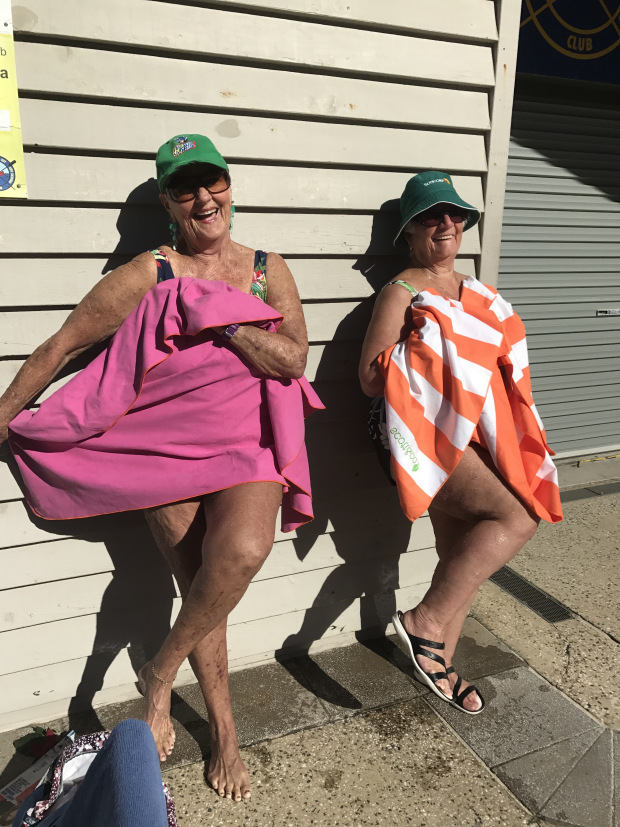
By August I was ready to go again, and after a brief trip to northern New South Wales, I attended the Australian Society of Travel Writers’ annual convention, which was this time held on the Sunshine Coast. On a beautiful winter day, while cycling along Caloundra, I bumped into these bathing beauties, who taught me you’re never too old and it’s never too cold, to swim, or laugh.
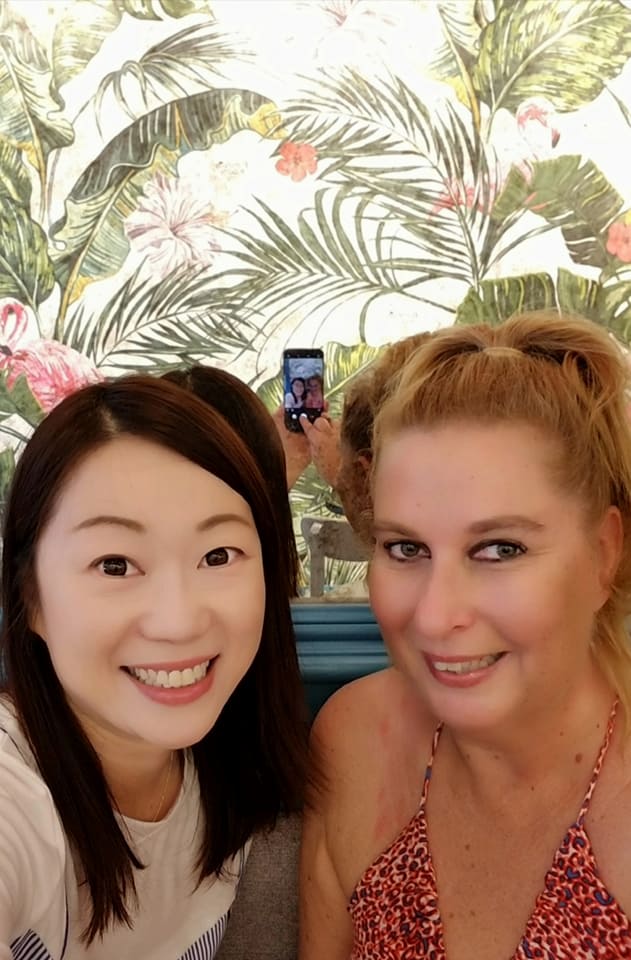
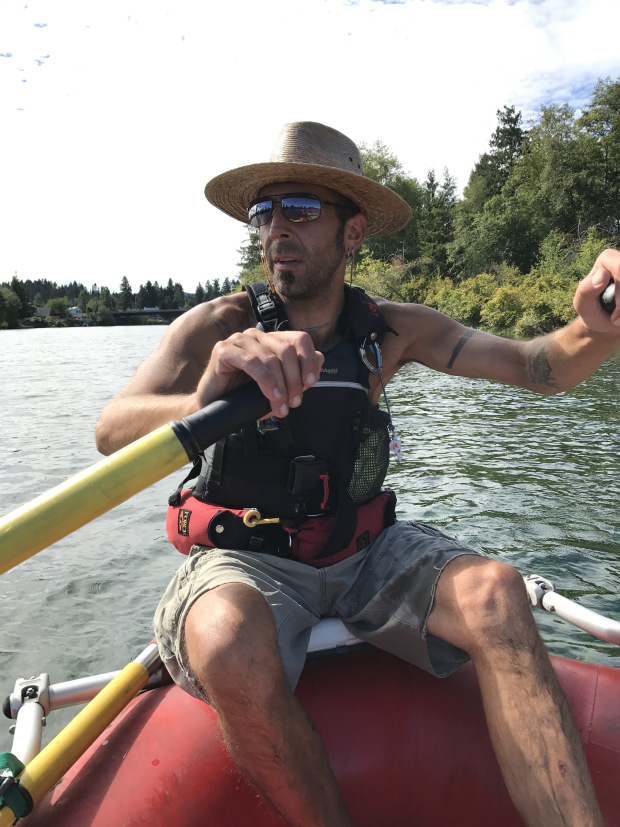
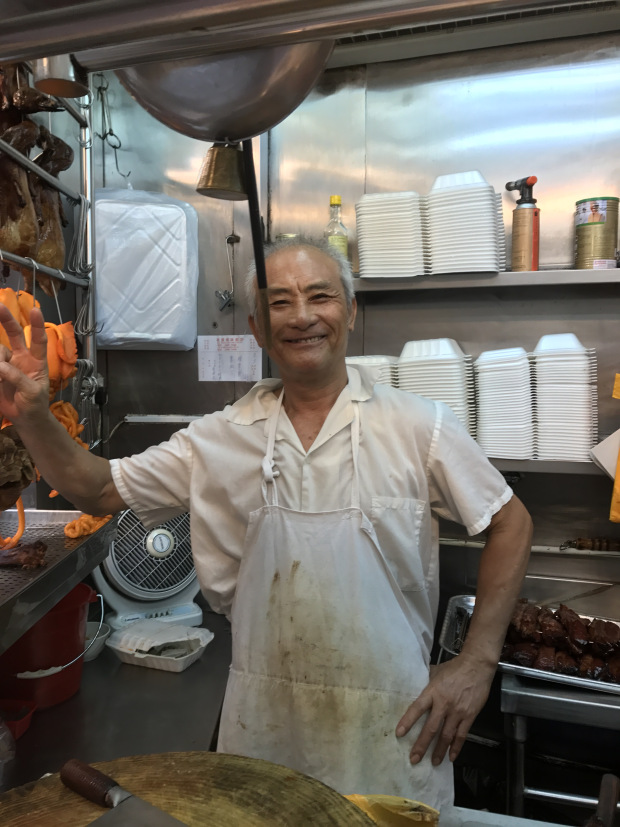
September was hectic, but also delicious. First, I flew to Canada where I fulfilled a story wish to snorkel with the salmon over at Vancouver Island on the Campbell River. My guide, Jamie, from Destiny River Adventures, was a little hard core, and proved to be scarier than the unexpected rapids into which I was flung and told to “fly like a superhero” to avoid being injured by rocks. But in the end, Jamie and I became friends, particularly when I emerged from the 14 degree rapids, smiling and shouting “that was awesome.” I was back in Brisbane for only four nights before it was off to Hong Kong, where I met another of my favourite guides, Vivian. I was hunting a story about fortune tellers, and Vivian and I trekked the streets of Hong Kong, while I indulged in “villain hitting” (to banish former boyfriends) and having everything from my face to my tarot read. I also popped over to Macau on this trip, where the guide really understood my need, mid-tour, to pop into the local bottle shop to pick up a drop of the local Portuguese wine.
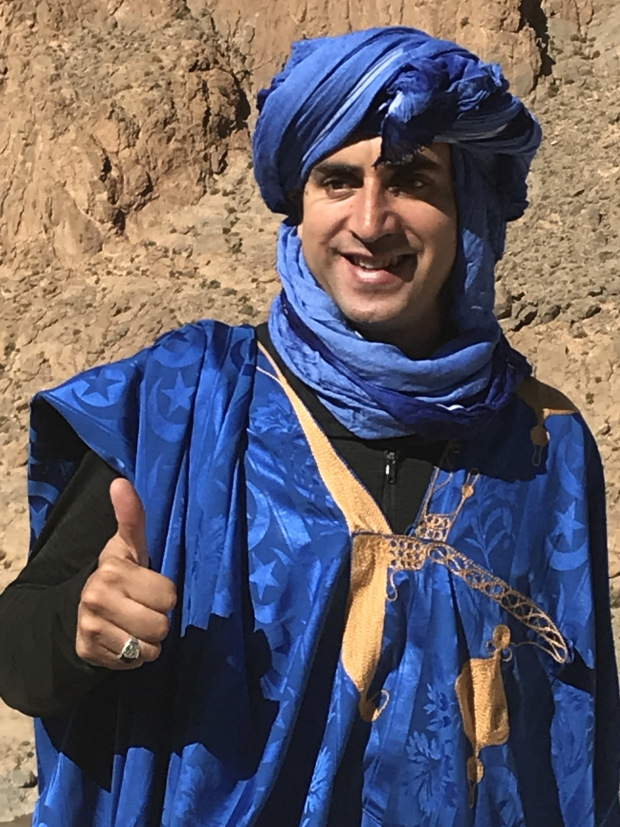
I spent two weeks in October in Morocco where I was fortunate to have Khaled as my guide as we trekked, on an Intrepid Tour with 13 others, across this incredible country. It was here that I really sat back and observed how tough it is to be a guide, dealing with 13 different personalities, three distinct nationalities, long distances and tiring days. But Khaled never faltered, always finding the positive in every situation, doing his best to secure a glass of wine for us at the end of the day, and at one point, turning up at my door with a can of cold Casablanca beer after listening to my endless observations about how warm the beer was in Morocco.
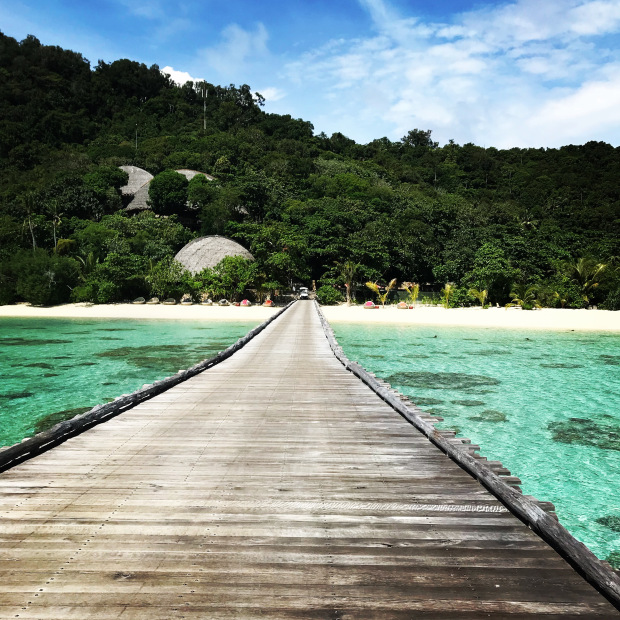
In November, it was off to Bawah Island, a luxury new destination half way between Malaysia and Borneo, and three hours from Singapore. In terms of guides, it was an unusual week for me, as I spent it with a group of men, mostly part of the management team from Singapore, who were putting the final touches on this beautiful resort. With five men from different destinations, all of whom spoke at least two languages, conversations were colourful and entertaining. One of my favourite guides was the Italian dive instructor Paulo, with whom I would book in a morning snorkel straight after breakfast, and whose enthusiasm for Bawah’s underwater beauty was infectious.
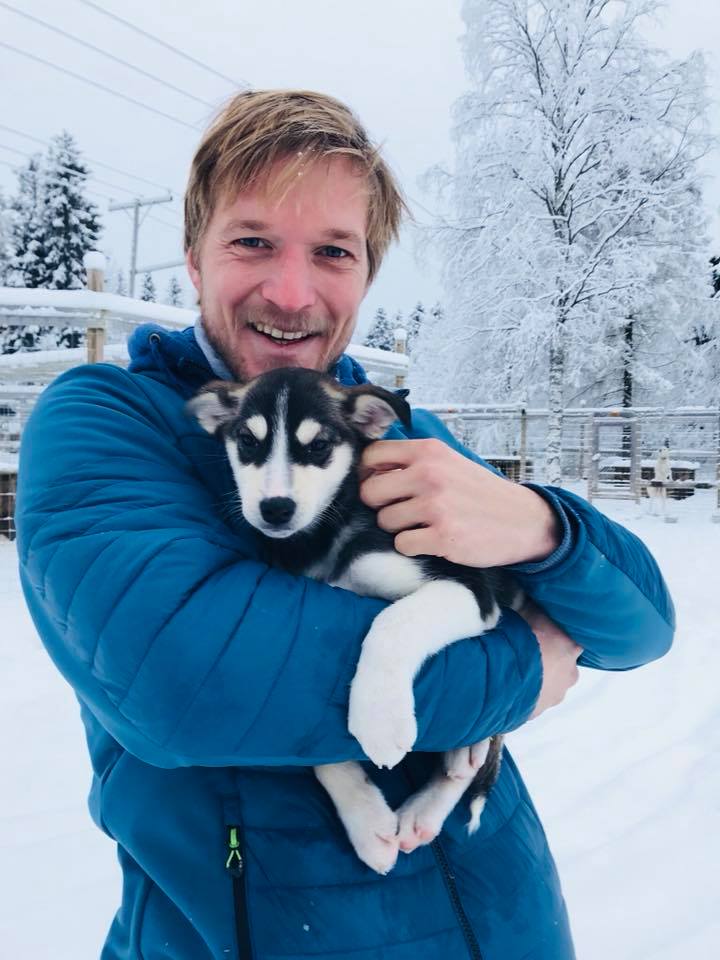
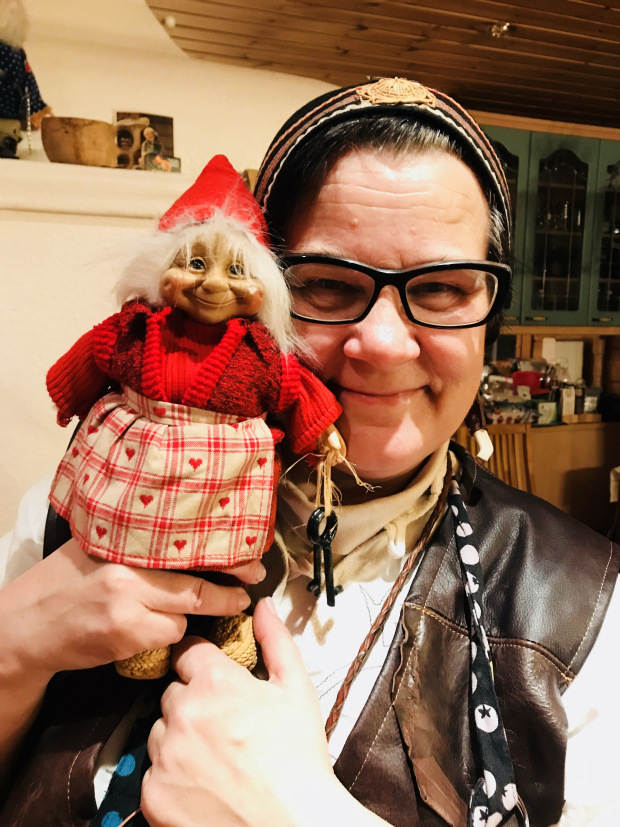
Which brings me to December where I have just returned from a trip to the North Pole to interview Santa. I’d love to say Santa was my best guide, but he was hugely overshadowed by the kind and eccentric Irene, an artist who makes amazing things out of reindeer parts. Irene also talks to her house elves (one of which is currently being naughty and getting naked while Irene is in her studio), which made her one of the most interesting interviews I had all year. I headed further north in Lapland and stayed at Beana Lapponia Wilderness Lodge, where I met Tony, the husky handler, and he was also an incredible guide, teaching me not only how to harness huskies, but how to drive the husky sled through the snow.
It’s been another incredible year and I’d like to thank all of the tourism and travel operators, local communities, kind random strangers, PR people, publishers, editors and fellow writers, who I met on this incredible journey that was 2017. See you out there in 2018.
And to my beloved readers, thank you for supporting me. Wishing you peace on earth.
 The Global Goddess